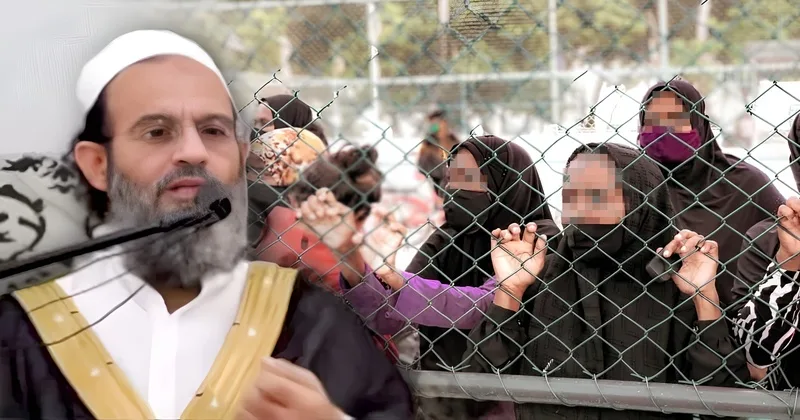
Islamabad: Prominent Pakistani religious scholar Mufti Saeed Khan has sparked an intense international debate after exposing the atrocities committed by Pakistan-based terrorist organisations in Pakistan-occupied Jammu & Kashmir (PoJK). In a startling revelation, he detailed severe human rights violations carried out under the guise of jihad, shedding light on the plight of vulnerable populations in the region.
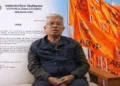
Mufti Saeed Khan, known to be a close aide of former Pakistani Prime Minister Imran Khan, brought these issues to global attention through a lecture titled “Kashmir and Our Hypocrisy.” In his address, he disclosed disturbing conditions prevailing in refugee camps across PoJK, alleging that militant groups operating under the banner of “Mujahideen” are involved in the sexual exploitation of women and young girls.
Dark realities behind the Jihad narrative
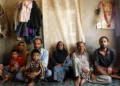
According to the cleric, Kashmiri Muslim women living in refugee camps are being pushed into extreme desperation, with some forced to sell their bodies in exchange for basic necessities such as food. He described this as a grim and hidden reality, exposing what he termed the “dark underbelly” of movements that claim to be rooted in religious struggle.
Mufti Saeed Khan strongly criticised those who claim to fight in the name of religion while simultaneously exploiting the most vulnerable sections of society. He emphasised that such acts represent a moral collapse and stand in direct contradiction to the principles they profess to uphold. Such candid criticism from a figure within Pakistan’s religious and political establishment is rare and significant.
Pakistani Deobandi cleric Mufti Saeed Khan, close aide to Imran Khan, shocks in lecture 'Kashmir and Our Hypocrisy':
Militants backed by Pakistan's establishment coerced vulnerable Kashmiri Muslim women in 1990s refugee camps into sexual favours — in exchange for a single roti.… pic.twitter.com/Gp2rrZV1bh
— Megh Updates 🚨™ (@MeghUpdates) March 31, 2026
Indian intelligence agencies have reportedly taken note of these revelations, viewing them as a direct challenge to Pakistan’s long-standing narrative of “holy jihad” in Kashmir. Officials believe the statements highlight how terrorist groups, supported financially and logistically by Pakistan’s intelligence apparatus, have inflicted harm not only across borders but also on local populations within PoJK.
The disclosures are seen as reinforcing claims India has consistently raised at international forums regarding human rights violations and the activities of terror groups in the region. Mufti’s remarks lend additional credibility to previous global human rights reports documenting abuse, exploitation, and violence perpetrated by foreign-funded militants. The revelations are expected to place Pakistan on the defensive internationally, as they originate from within its own religious and political circles. This internal critique could trigger wider political repercussions, especially as it challenges the use of religious narratives to justify militant activities. Overall, Mufti Saeed Khan’s statements present a stark and unsettling picture of the human cost of militancy in Kashmir, particularly for women, and may significantly influence both regional discourse and international perceptions in the days ahead.