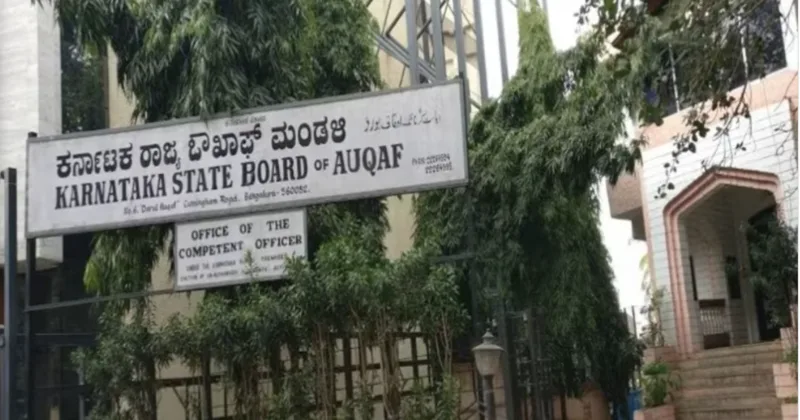
BELAGAVI: Widespread outrage has erupted among farmers in Gokak taluk after hundreds of landowners received fresh notices linked to the Waqf Board’s claims. The move has triggered protests and deep anxiety among residents, who allege that they are being subjected to repeated harassment despite earlier court rulings in their favour.
Over 250 farmers across Gokak and the surrounding areas have reportedly been served with notices requiring them to submit extensive land ownership records for verification. The notices are said to cover properties spanning nearly 2,200 acres, including residential layouts and agricultural land in localities such as Maratha Galli, Eno Galli, and Shingalapur.
The development has angered farmers, many of whom claim they have legally owned and cultivated these lands for decades. “We have all valid documents, we have paid taxes, and we have lived here peacefully for years. Why are we being targeted again?” questioned a farmer, reflecting the sentiment of hundreds of affected families.
Farmers allege that the issue is not new and has already been settled through prior legal proceedings. According to them, similar claims were raised decades ago, leading to disputes that were heard in various courts. In those cases, courts reportedly ruled in favour of the farmers, affirming their ownership rights. Despite this, the fresh notices have forced them to gather documents again and face administrative scrutiny.
The latest action is reportedly linked to an application filed through the Umeed portal following recent amendments to laws governing Waqf properties. This has led to the reopening of old land records and a renewed verification process by local authorities. However, for farmers, the timing and nature of the notices have raised serious concerns.
“This is nothing but harassment. If courts have already given us justice, why should we prove our ownership again?” asked another landowner. Many farmers fear that repeated verification exercises could be used to create pressure and uncertainty, particularly for those who may not possess decades-old documentation in perfect order.
The requirement to produce over 100 original documents has further added to the frustration. For small and marginal farmers, collecting such extensive records, some dating back several decades, is both difficult and stressful. Residents say the notices have created panic, with families worried about the safety of their homes and lands.
Local farmer groups have begun mobilising protests, demanding that the state government intervene immediately. They are calling for the notices to be withdrawn and for clear assurances that their land rights will not be disturbed. “We are not against verification, but it should not become a tool to trouble innocent people,” said a farmer leader.
Officials have maintained that the process is part of a routine verification exercise based on historical claims and directives from higher authorities. They insist that no final decision has been made and that the notices are intended only to gather information. However, this explanation has failed to calm tensions on the ground.
Legal experts warn that reopening settled disputes can create long-term complications. They argue that such notices could undermine trust in the legal system and lead to prolonged uncertainty for citizens. “Administrative actions must respect judicial outcomes. Otherwise, it creates confusion and fear,” an expert said.