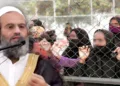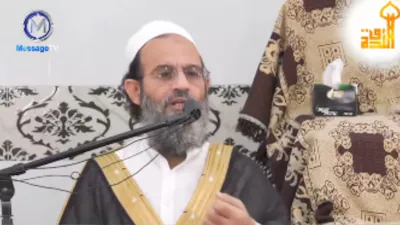
In a startling revelation that has sparked fresh debate over human rights abuses in conflict zones, Pakistani cleric Mufti Saeed Khan has alleged that insurgents operating in Kashmir coerced vulnerable women into sexual exploitation in exchange for basic necessities like food.
Khan, who is reportedly a close aide of former Pakistani Prime Minister Imran Khan, made these remarks during a public lecture titled “Kashmir and our hypocrisy.” In his address, he described what he called a “dark reality” of the insurgency, claiming that women and girls in refugee camps were forced to trade sexual favours for “a single roti.”
According to the cleric, groups often portrayed as “mujahideen” or religious fighters preyed upon displaced and economically distressed women, exploiting their vulnerability amid ongoing instability. His remarks suggest a pattern of coercion where survival needs were weaponised against civilians, particularly women.
Indian intelligence sources have termed the statement a “significant internal confession,” noting that such admissions from within Pakistan’s religious and political ecosystem are rare. Officials believe the comments lend credibility to longstanding allegations that Pakistan-backed militant groups have systematically abused local populations under the guise of jihad.
Sources quoted in media reports further asserted that the revelations align with previously declassified Indian dossiers shared with international stakeholders. These documents have, over the years, accused Pakistan’s intelligence apparatus, particularly the Inter-Services Intelligence of supporting proxy groups engaged in violence and exploitation in the region.
Reports say that the cleric’s statements could have far-reaching implications, as they appear to corroborate multiple international human rights reports documenting sexual violence and coercion in conflict-hit areas. If substantiated, such claims could undermine Pakistan’s narrative of a “moral and ideological struggle” in Kashmir.
The controversy has once again brought focus to the humanitarian cost of prolonged conflict in the region, especially on women and displaced populations. It also raises critical questions about accountability, the role of state and non-state actors, and the lived realities behind geopolitical narratives.