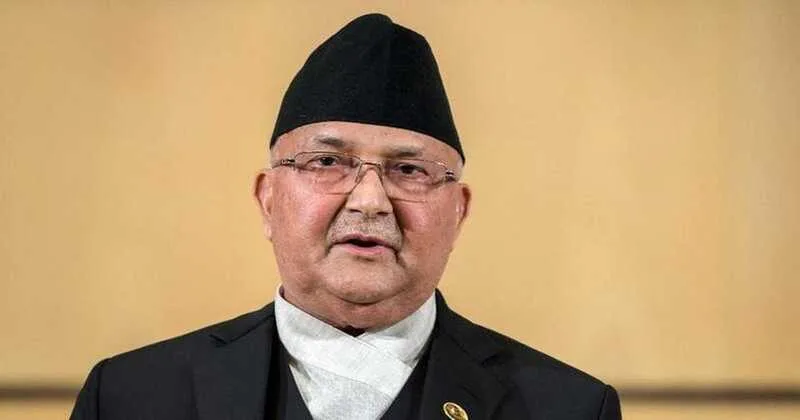
KATHMANDU: Former Nepal Prime Minister K.P. Sharma Oli was arrested early on Saturday in connection with a culpable homicide case linked to the violent suppression of the September 2025 “Gen Z” protests that ultimately led to his ouster from power. The development comes just a day after Balen Shah, a rapper-turned-politician, took oath as the country’s new Prime Minister.
Nepali Congress leader and former Home Minister Ramesh Lekhak was also taken into custody in connection with the same case. Both leaders were arrested from their residences in Bhaktapur and are expected to face charges that carry a maximum prison sentence of up to 10 years
Crackdown on ‘Gen Z’ Protests
Nepal witnessed a massive youth-led uprising in September 2025, widely referred to as the “Gen Z revolution”. The protests were driven by growing public anger over governance failures, corruption, unemployment, and prolonged political instability under Oli’s leadership. What initially began as a movement demanding digital freedom soon escalated into a broader anti-establishment revolt. The state’s response was swift and forceful.
Security forces launched a sweeping crackdown on demonstrators, resulting in widespread violence. At least 76 people were killed, and more than 2,000 others were injured during the unrest, marking one of the most severe political crises in recent Nepalese history.
Oli’s arrest follows the findings of a high-level commission set up to investigate the violence during the anti-corruption protests. The panel recommended the prosecution of the 74-year-old leader, holding him accountable for failing to intervene and stop hours of firing on protesters during the initial phase of demonstrations. At least 19 young protesters were killed on the first day alone, an incident that intensified public outrage and ultimately forced Oli to resign.
“As the executive head, Oli should be held responsible for anything, good or bad,” the commission report stated.
In addition to Oli and Lekhak, the panel also recommended action against former police chief Chandra Kuber Khapung and several other officials.
Oli, however, rejected the findings, describing the report as “extremely negligent” and accusing it of being politically motivated. “It amounts to character assassination and reflects hate politics,” he was quoted as saying.
If prosecuted and convicted, the accused could face imprisonment of up to 10 years. Earlier this month, Oli also suffered a decisive electoral defeat in the March 5 general elections, losing to Balen Shah in the Jhapa-5 constituency, long considered a stronghold of his party.