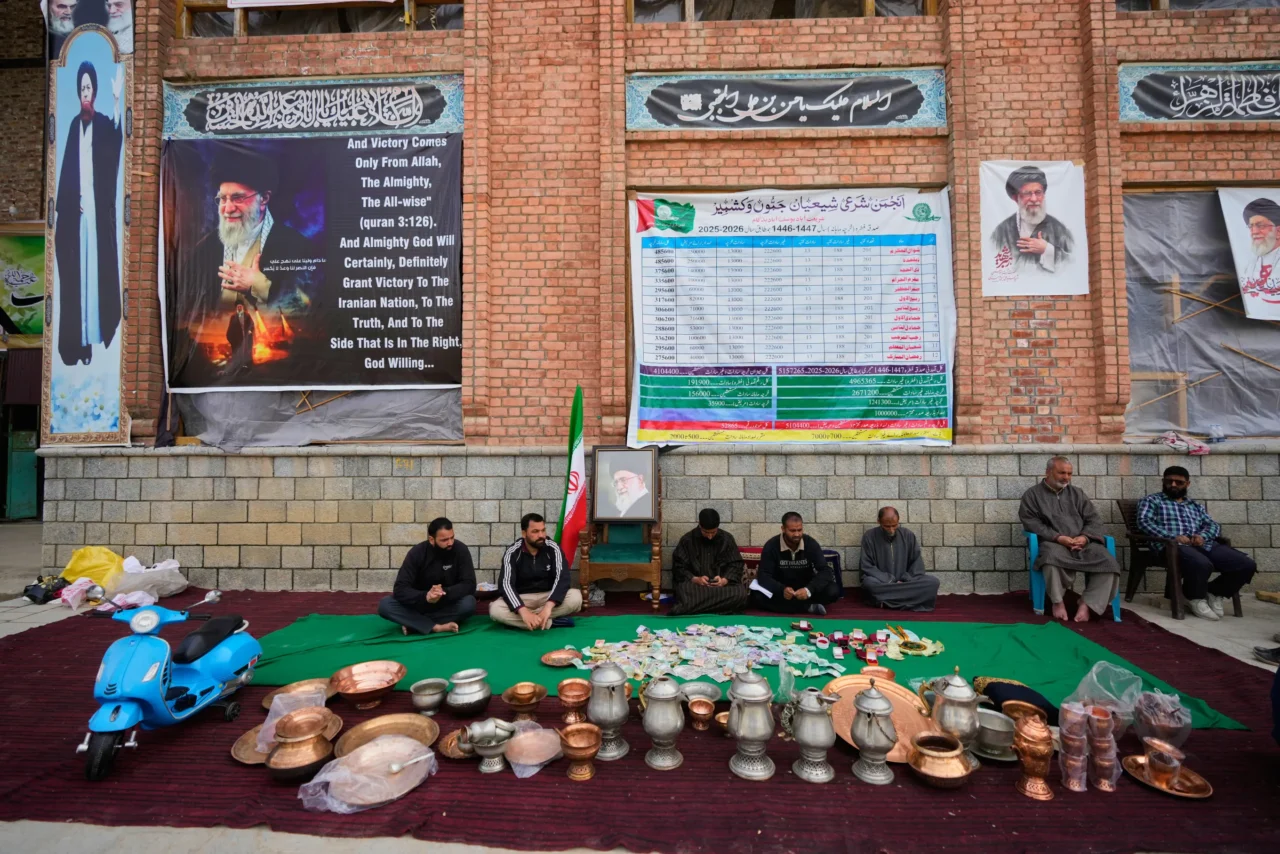
What began as a seemingly genuine humanitarian campaign to support Iran has now spiralled into a major intelligence concern in Jammu and Kashmir. A classified report prepared by the J&K Police on March 24, massively reported by media, has revealed that a large-scale donation drive, originally triggered by an appeal from the Iranian Embassy on March 14, may have been hijacked by a well-organised network of intermediaries.
According to the findings quoted in reports, these middlemen allegedly exploited public sentiment, particularly within sections of the Shia community, to collect vast sums of money and valuables under the pretext of international solidarity.
However, instead of reaching intended beneficiaries, a significant portion of these funds is suspected to have been siphoned off for dubious purposes.
Rs 17.91 crore and counting: Scale of the collection stuns agencies
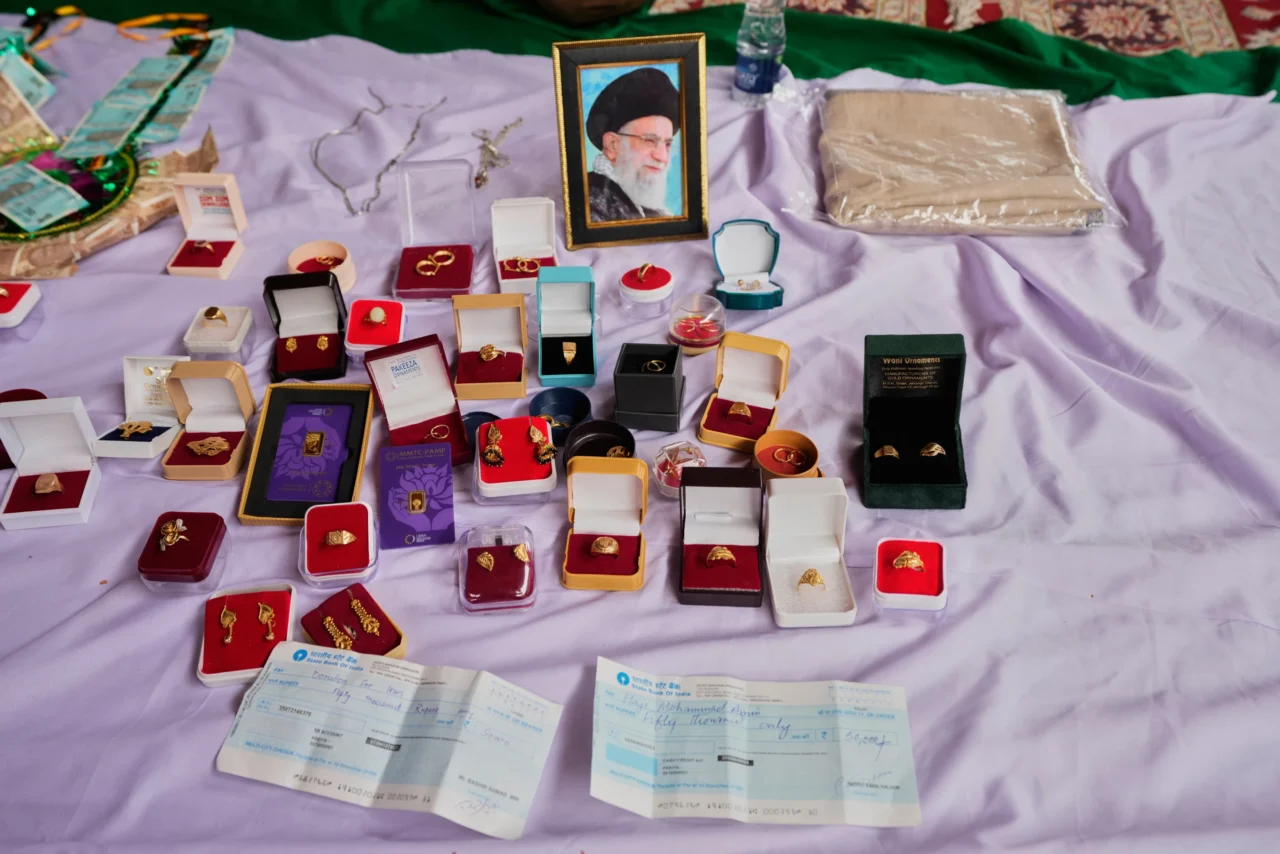
The magnitude of the alleged scam has shocked investigators. Officials estimate that approximately Rs 17.91 crore, along with gold, jewellery, livestock, and household valuables, has been collected across the Kashmir Valley.
A district-wise breakdown reveals the widespread nature of the operation. Budgam alone accounts for Rs 9.5 crore, followed by Rs 4 crore from Baramulla and Rs 2 crore from Srinagar. Additional collections have been reported from Kulgam, Bandipora, Ganderbal and Pulwama.
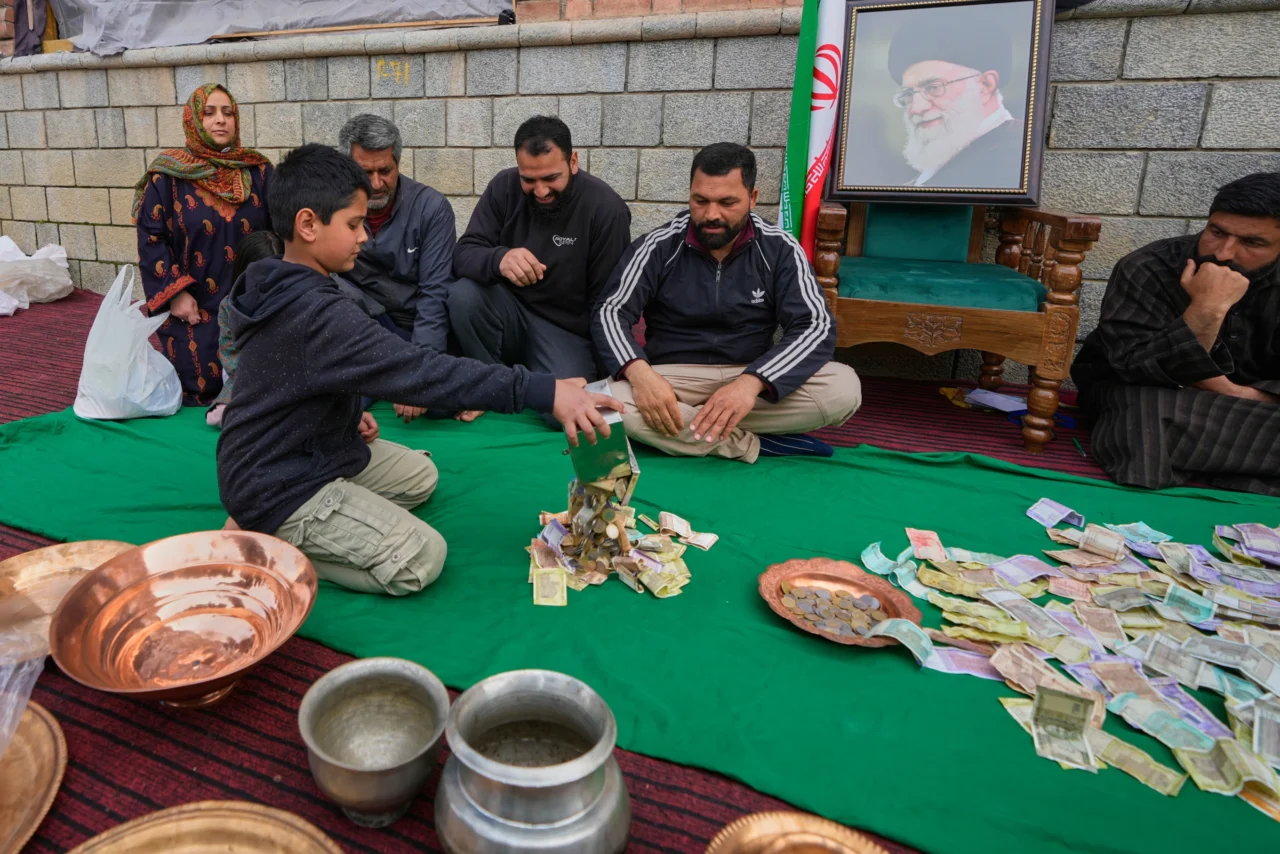
What is particularly concerning for authorities is not just the amount, but the source of these contributions. Intelligence inputs indicate that many donors came from economically weaker sections, contributing life savings, wedding funds, and even essential household items in an emotional response to the appeal.
Investigators say the network relied heavily on emotional and religious messaging. Door-to-door campaigns, mosque announcements, and local collection stalls were reportedly used to mobilise donations.
In several instances, entire families contributed what little they had. Reports suggest that children donated their Eid savings, while others parted with livestock and heirloom jewellery. For many, the act was seen as a moral and religious duty, making the alleged misuse of funds even more troubling.
Officials warn that such tactics blur the line between genuine charity and manipulation, creating fertile ground for exploitation.
The ‘Conduit System’: Alleged links to external and separatist networks
Perhaps the most serious aspect of the investigation is the emergence of what agencies describe as a “conduit system.” Intelligence reports suggest that the collection network may be linked to individuals with connections to the Islamic Revolutionary Guard Corps and separatist elements within Kashmir.
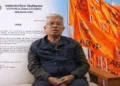
Two key individuals have been flagged. Hakeem Sajad, a resident of Bagwanpora in Srinagar, is described as a major local distributor of funds. Syed Ruhollah Rizvi, originally from Ganderbal and currently based in Iran, has been identified as a critical link between foreign handlers and local operatives.
According to investigators, these individuals facilitated the movement of funds between external sources and local networks, raising concerns about cross-border financial flows.
One of the most alarming revelations is the claim that nearly half of the collected funds may have been redirected to maintain a “payroll” system within Kashmir. This system, agencies believe, could be used to sustain influence networks and possibly support separatist activities.
Officials say the pattern bears resemblance to earlier funding mechanisms uncovered in the controversial crowd-funding case linked to Maulavi Sarjan Barkati, where money collected in the name of public causes was allegedly diverted for organised networks.
This parallel has intensified concerns that the current case may not be an isolated financial fraud, but part of a larger, structured ecosystem.
Multi-agency probe intensifies
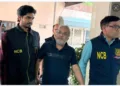
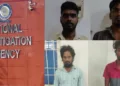
Given the gravity of the findings, the investigation has now drawn the attention of multiple national agencies. The probe is being handled jointly by the State Investigation Agency, the National Investigation Agency, and the Enforcement Directorate.
Officials indicate that the focus is now on tracing the money trail, identifying key operatives, and determining whether the funds have been used for activities that could threaten national security.
Reports suggest that financial records, communication channels, and cross-border transactions are being closely scrutinised.
Authorities have issued a strong warning to individuals and groups involved in unauthorised donation drives. The police have cautioned that those found operating without proper verification or misusing public funds could face strict legal action.
Officials have also urged citizens to exercise caution and verify the authenticity of any organisation or individual seeking donations. The advisory stresses that even well-intentioned contributions can be misused if routed through unverified channels.
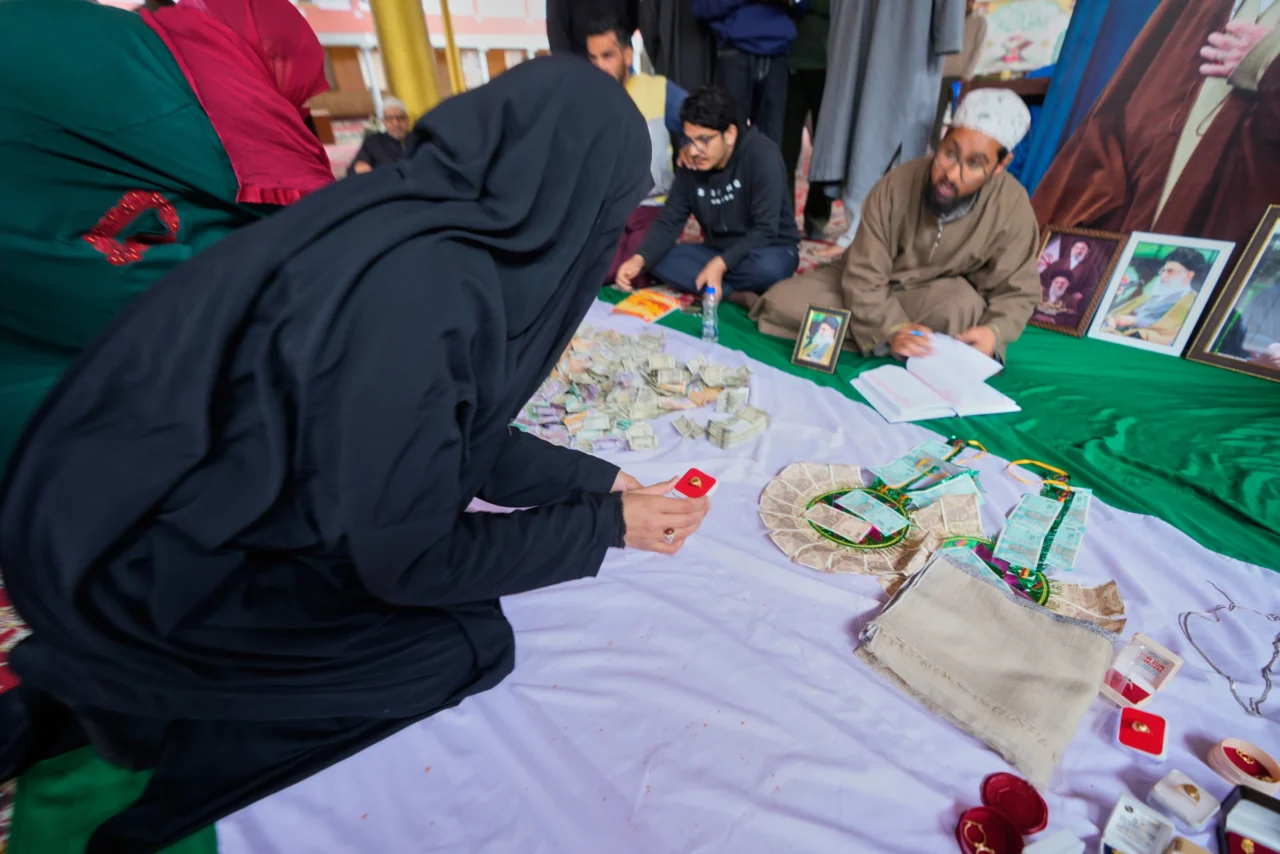
The unfolding controversy highlights how international developments can have local repercussions. What started as a response to a geopolitical situation has now exposed vulnerabilities within grassroots fundraising systems.
Reports note that regions with strong emotional and religious networks are particularly susceptible to such exploitation, especially when transparency mechanisms are weak.
The case also shows the challenges faced by security agencies in distinguishing between genuine humanitarian efforts and covert financial operations.
Fraud with Ummah?
Fraud with the Ummah is now emerging as a central and uncomfortable question as the investigation progresses, raising serious concerns about whether an appeal rooted in religious solidarity was misused for personal or organised gain. Where does charity end and manipulation begin in the Kashmir ‘Iran donation’ case, which now stands as a stark reminder of how easily public trust can be leveraged and potentially betrayed?
For now, agencies continue to piece together the puzzle, tracking money flows and identifying those responsible. But for thousands of ordinary citizens who contributed in good faith, the revelations have already cast a long shadow over what they believed was an act of compassion.
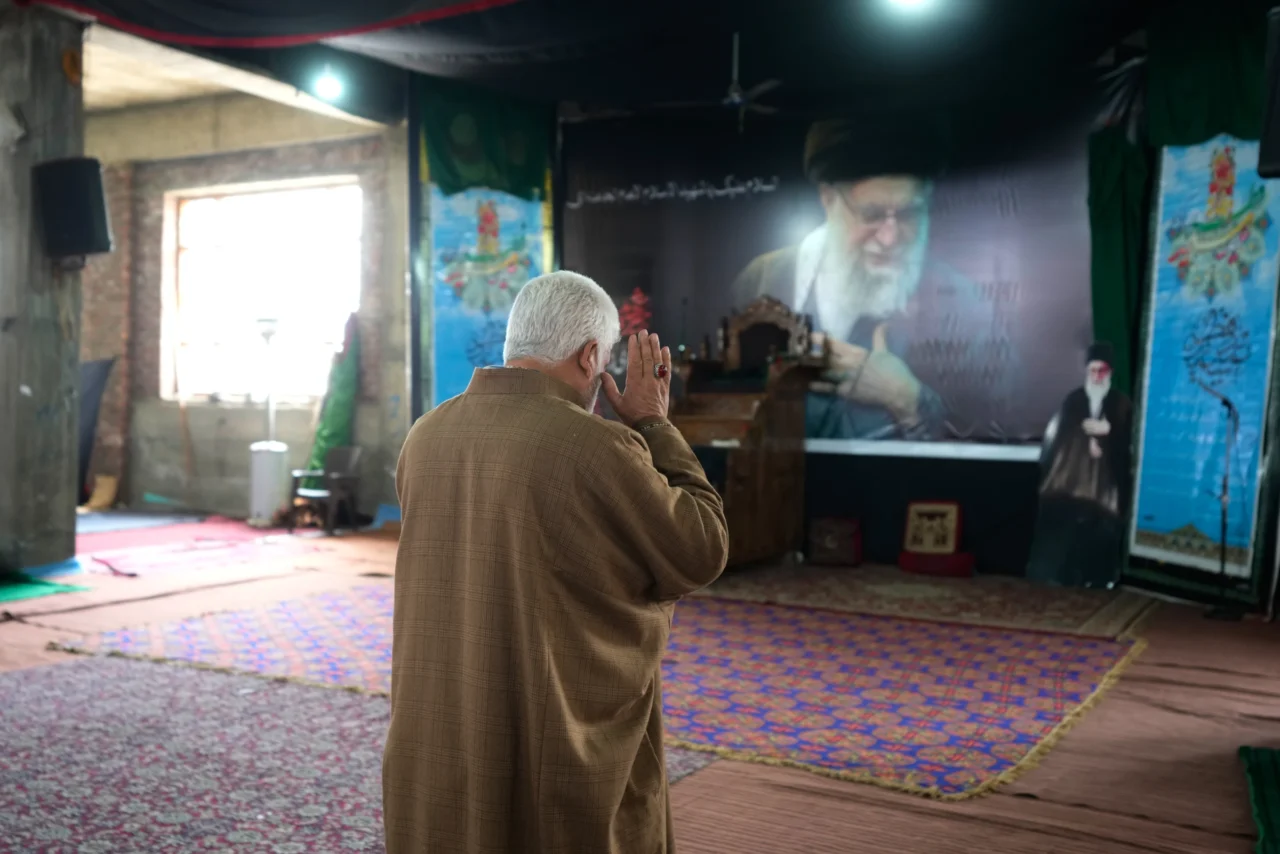
At the same time, the episode raises deeper questions within the community itself. Since the collection and handling of funds were largely carried out within Muslim networks, concerns around internal accountability have intensified. The issue of whether this amounts to a breach of trust with the wider Ummah can no longer be overlooked. If funds collected in the name of religious solidarity were misused, it points not only to financial wrongdoing but to a profound moral failure, one that calls for introspection, transparency, and answers from within.