Washington: Protests erupted across more than 50 cities in the United States over the weekend, as demonstrators demanded an end to the ongoing war involving Iran. The nationwide mobilisations came as military strikes by the US and Israel entered their second week, escalating tensions in the Middle East.
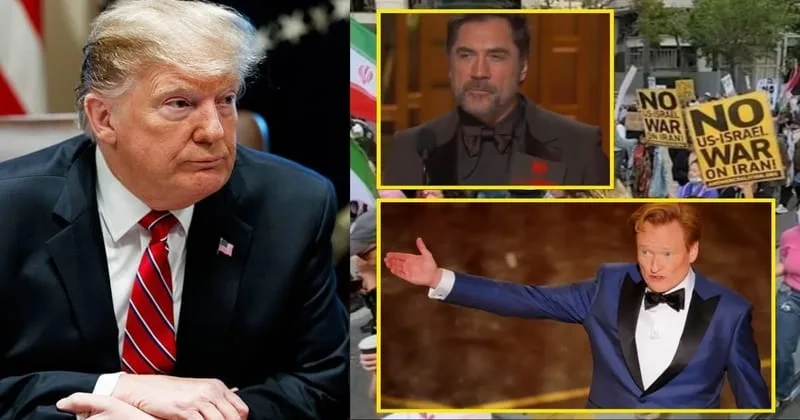
From New York City to Los Angeles, Chicago, San Francisco, Washington, D.C., and Pittsburgh, crowds gathered in major urban centres calling on the administration of Donald Trump to halt the conflict. Protesters carried placards reading “Hands off Iran” and “No more US wars in the Middle East,” while chanting against further military escalation.
In Manhattan’s Union Square, hundreds assembled to voice opposition, criticising the war as unjust and economically burdensome. Demonstrators argued that the massive financial resources being spent on the conflict could instead be directed toward domestic needs such as healthcare, childcare, and public infrastructure.
The protests come amid intensifying hostilities, with the United States and Israel launching large-scale strikes on Iran, prompting retaliatory missile and drone attacks targeting Israeli territory and the US assets in the region. The escalation has raised concerns about broader regional instability and global repercussions.
Speakers at the rallies condemned the military campaign as a violation of international law and accused US leadership of repeating past foreign policy mistakes. Some also criticised Congress for failing to pass measures that could have curtailed the conflict, urging citizens to take a stand against continued warfare.
In Los Angeles, demonstrators gathered outside City Hall, waving Iranian flags and denouncing the bombings as harmful to civilians and regional peace. Many participants described the war as unnecessary and called for an immediate shift toward diplomacy and de-escalation.
Politics Takes Centre Stage at the Oscars
Ahead of the ceremony, host Conan O’Brien had suggested the night would avoid politics, focusing instead on cinema and humour. But in his opening monologue, he quickly hinted otherwise, joking that “things could get political” and referencing an alternative Oscars hosted by Kid Rock. He also took a veiled swipe at Donald Trump, mocking the naming culture linked to the John F. Kennedy Centre for the Performing Arts while joking about the Dolby Theatre.
O’Brien stirred further reactions with a controversial joke referencing the Jeffrey Epstein files, before ending on a serious note, acknowledging the “chaotic and frightening times” globally and urging hope for the future.
Films With Strong Political Themes Dominate
The night’s top winners reflected a politically charged atmosphere. Director Paul Thomas Anderson’s One Battle After Another, which won six Oscars, including Best Picture, explores resistance against an authoritarian regime targeting immigrants. In his speech, Anderson apologised to younger generations for the world they are inheriting.
Meanwhile, Ryan Coogler’s Sinners, set during the era of Jim Crow laws, won four awards. Michael B. Jordan earned Best Actor and paid tribute to trailblazing Black performers, including Sidney Poitier, Denzel Washington, Halle Berry, Jamie Foxx, Forest Whitaker, and Will Smith.
Anti-War Messages and Activism on Stage
Spanish actor Javier Bardem delivered one of the most direct political statements, calling for “No to war and free Palestine” while presenting an award. Several attendees wore symbolic pins, including “ICE OUT” and Artists4Ceasefire badges, signalling opposition to immigration policies and support for a Gaza ceasefire.
Global Conflicts and Responsibility Highlighted
Filmmaker Joachim Trier, while accepting Best International Feature for Sentimental Value, emphasised the responsibility adults hold toward children, urging voters to prioritise their protection. He later pointed to the suffering of children in conflict zones such as Gaza, Ukraine, and Sudan.
Free Speech and Censorship Criticised
Presenter Jimmy Kimmel used his segment to criticise threats to free speech, referencing controversies involving CBS and political pressure. He praised documentary filmmakers for their courage in telling difficult truths, even under risk.
Documentary Warns Against Authoritarianism
The Best Documentary winner, Mr Nobody Against Putin, examined propaganda and indoctrination in Russia amid the war in Ukraine. Director David Borenstein warned about the gradual erosion of democracy, while co-director Pavel Talankin closed with a call to end wars for the sake of future generations. Overall, the Oscars unfolded as more than a celebration of cinema, evolving into a platform for political commentary, activism, and global reflection.