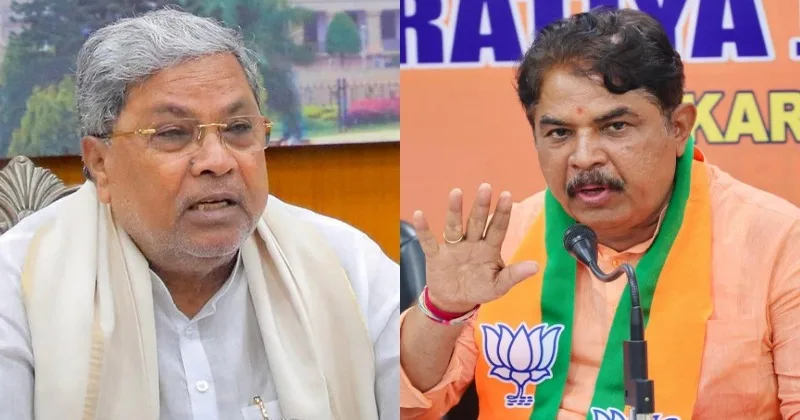
BENGALURU: The political war of words over the LPG cylinder shortage in Karnataka intensified on March 14 as Leader of the Opposition R. Ashoka launched a sharp attack on Chief Minister Siddaramaiah, accusing him of politicising the crisis rather than taking concrete steps to resolve the problem affecting households and businesses across the state.
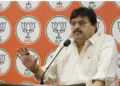
Addressing reporters at the Bharatiya Janata Party state office in Bengaluru, Ashoka alleged that the Chief Minister was attempting to shift blame rather than ensuring effective management of LPG supplies at a time when citizens are facing significant difficulties.
According to Ashoka, the state government should focus on curbing black-market activities and ensuring the proper distribution of cylinders rather than using the issue for political messaging. He said the shortage of LPG cylinders has created hardships for hotels, small businesses and ordinary families in several parts of the state.
“The Chief Minister should not play politics during a time of crisis. When there are supply disruptions due to international developments, the responsibility of the state government is to manage distribution effectively and prevent black marketing,” Ashoka said.
He pointed out that the situation has been aggravated by the ongoing geopolitical tensions in West Asia, which have impacted global energy supply chains. In such circumstances, Ashoka argued, responsible leadership requires coordination between the Centre and the state rather than public accusations.
Ashoka also referred to the response of senior Congress leader and minister K. H. Muniyappa, stating that Muniyappa had spoken more cautiously and realistically about the issue due to his experience in national politics.
https://x.com/NewsArenaIndia/status/2032762071658672349?s=20
“Muniyappa has served as a Union minister and understands how international developments affect supplies. But the Chief Minister appears to be making statements without considering the larger context,” Ashoka said.
The opposition leader further criticised the state government for allegedly failing to control the illegal sale of LPG cylinders in the black market. He demanded strict action against those involved in hoarding and illegal distribution.
Ashoka said the Central government has already invoked the Essential Services Maintenance Act to ensure the uninterrupted supply of essential services and commodities. He urged the Karnataka government to cooperate with these efforts and enforce strict monitoring to prevent misuse of cylinders.
Apart from the LPG crisis, Ashoka also targeted Siddaramaiah over his recent remarks made in his constituency, urging people to support his son, Yathindra Siddaramaiah, politically.
Reacting strongly to the statement, Ashoka said Siddaramaiah had previously claimed that he did not believe in caste politics, dynastic politics or family-based power structures. However, his recent comments urging supporters to back his son have raised questions about his commitment to those principles.
“He once said he was not a dynastic politician, but now he is openly asking people to support his son. Tomorrow he may even ask them to support his grandson. This is not how democracy works,” Ashoka remarked.
He said India’s democratic system, shaped by the vision of B. R. Ambedkar, was meant to replace hereditary rule with leadership chosen through public mandate.
“In a democracy, every leader must earn the trust of voters through their work and leadership. Encouraging political succession within the family goes against the spirit of democratic values,” he said.
Ashoka also referred to reports from Mysuru claiming that a large number of LPG cylinders were arranged for a temple festival in Siddaramaiah’s constituency of Varuna. He questioned whether the Chief Minister was using his influence selectively while the rest of the state struggled with shortages.
“If hundreds of cylinders can be arranged for a local festival, why can’t the government ensure adequate supply for hotels and households that depend on LPG for daily operations?” Ashoka asked.
He urged the Chief Minister to focus on administrative responsibility rather than political rhetoric and ensure that essential commodities reach citizens without disruption.