India’s efforts to bridge the digital divide between urban and rural regions have reached a major milestone with more than 2.15 lakh Gram Panchayats now connected under the BharatNet initiative.
The government announced on Sunday (March 8) that the large-scale programme to expand optical fibre connectivity, strengthen 5G infrastructure and develop digital public platforms is significantly transforming the country’s rural digital ecosystem.
Officials noted that the expansion of high-speed internet connectivity is helping bring villages into the digital economy while enabling access to government services, financial systems and online markets.
The BharatNet initiative has been a key component of the government’s broader strategy to ensure that even remote villages benefit from the rapid technological transformation taking place across India.
Optical fibre network expands rapidly
A major driver of the programme’s success has been the rapid expansion of optical fibre networks across the country.
According to the official statement, optical fibre deployment increased from 19.35 lakh route kilometres in 2019 to 42.36 lakh route kilometres in 2025, more than doubling within a span of six years.
This expansion has strengthened the backbone of India’s digital infrastructure and improved the ability to deliver high-speed broadband services to rural areas.
The growing fibre network also supports the expansion of mobile networks, data services and digital platforms that rely on robust internet connectivity.
5G coverage reaches nearly entire country
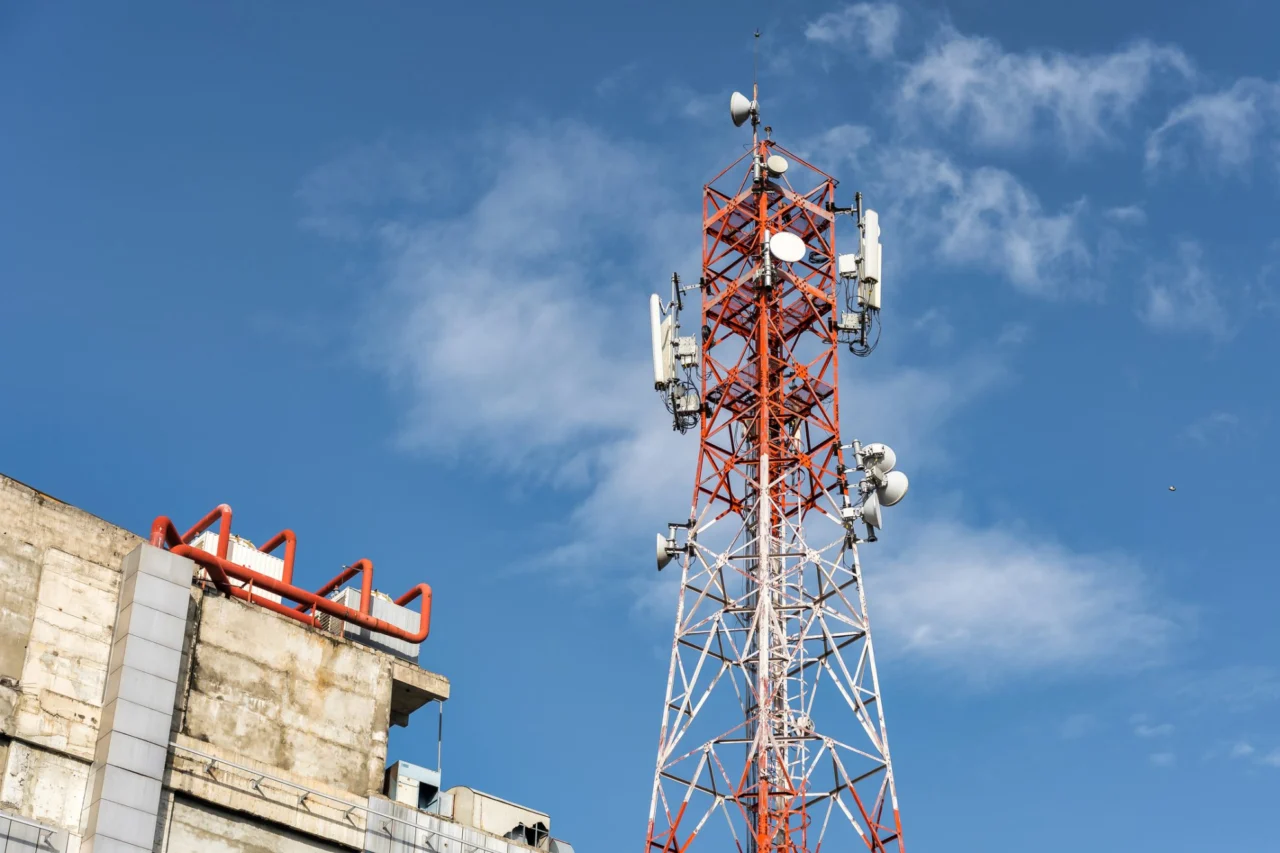
Alongside fibre expansion, India’s next-generation mobile network rollout has progressed at an unprecedented pace.
The government said 5G services now cover 99.9 percent of districts across the country, supported by more than 5.18 lakh base transceiver stations as of December 2025.
The rapid expansion of 5G infrastructure has significantly enhanced network capacity, enabling faster internet speeds and improved connectivity for both urban and rural users.
This development is expected to support emerging technologies such as artificial intelligence, Internet of Things (IoT), and advanced digital services that rely on high-speed connectivity.
Public Wi-Fi access expands under PM-WANI
Another key component of the rural digital ecosystem is the expansion of affordable public Wi-Fi networks under the Prime Minister Wi‑Fi Access Network Interface initiative.
As of February 2026, the programme has enabled the deployment of 4,09,111 public Wi-Fi hotspots across the country.
These hotspots are supported by 207 Public Data Office (PDO) aggregators and 113 application providers, forming a large network designed to provide low-cost internet access to citizens.
The initiative particularly targets rural and remote areas where broadband connectivity may still be limited, allowing individuals, students and small businesses to access the internet at affordable rates.
Officials say the scheme has helped improve digital inclusion while creating new opportunities for local entrepreneurs who operate Wi-Fi access points.
Digital access strengthening rural livelihoods
The government emphasised that improved connectivity is not only about internet access but also about enabling economic and social transformation.
By integrating last-mile connectivity with digital literacy programmes, affordable internet services and digital platforms that link citizens to markets and welfare schemes, the government aims to strengthen rural livelihoods.
Such integration allows farmers, artisans and small businesses to access online marketplaces, financial services and government benefits more easily.
It also helps ensure that welfare schemes reach beneficiaries more efficiently through digital platforms.
The rapid expansion of digital services has also driven significant growth in India’s cloud and data centre infrastructure.
According to government estimates, the country’s total data centre capacity currently stands at around 1,280 megawatts.
This capacity is expected to grow four to five times by 2030, reflecting the increasing demand for digital services, cloud computing and emerging technologies.
Government platforms under the MeghRaj initiative have also expanded rapidly.
More than 2,170 ministries and government departments are now hosting applications on secure and scalable government cloud platforms, enabling efficient digital governance and data management.
India emerges as one of the most affordable data markets
Another factor supporting the country’s digital transformation has been the dramatic fall in mobile data prices.
The government noted that the cost of data has declined from Rs 269 per gigabyte in 2014 to around Rs 8–10 per gigabyte in 2025–26.
This steep reduction has made India one of the most affordable data markets in the world and significantly expanded internet usage across socio-economic groups.
Reflecting this surge in digital adoption, broadband subscriptions crossed 100 crore in November 2025, compared with just 13.15 crore subscriptions a decade earlier.
India is also investing in high-performance computing infrastructure to support advanced research and technological development.
Under the National Supercomputing Mission, the country has deployed 38 supercomputers with a combined capacity of 44 petaflops across research institutions.
The initiative aims to extend advanced computing capabilities beyond major metropolitan cities, allowing universities, research organisations, startups and industry to access high-performance computing resources.
These systems are expected to support research in areas such as artificial intelligence, climate modelling, biotechnology and advanced manufacturing.
Digital public infrastructure driving real-world impact
Officials emphasised that India’s growing digital infrastructure is complemented by a robust digital public ecosystem.
Platforms such as Aadhaar, Unified Payments Interface and DigiLocker have enabled seamless digital transactions, secure identity verification and efficient service delivery.
These systems form the backbone of India’s Digital Public Infrastructure (DPI) framework, which aims to convert internet connectivity into tangible social and economic benefits.
By linking citizens with financial services, government schemes and digital marketplaces, the expanding digital network is gradually reshaping the country’s economic landscape.
The expansion of BharatNet and associated digital initiatives reflects India’s broader goal of creating an inclusive digital society where connectivity serves as a catalyst for development.
As rural connectivity improves and digital infrastructure continues to expand, policymakers believe the benefits will extend beyond communication, enabling new opportunities in education, healthcare, governance and entrepreneurship.
The ongoing expansion of optical fibre networks, 5G connectivity and digital public platforms is therefore expected to play a crucial role in bridging the rural-urban digital divide and building a digitally empowered India.