The Delhi High Court has quashed an FIR filed for attempt to murder against a young woman who attacked her adoptive mother in Delhi. The court held that the dispute was essentially a family matter and that the mother had chosen to forgive her daughter.
Justice Prateek Jalan, while delivering the order last week, observed that, “If justice is ever to be tempered with mercy, this is a fit case… That profound sentiment must, in the peculiar facts of this case, transcend any societal or public interest in securing the petitioner’s conviction,” the judge noted.
The case originated from a disturbing incident in which the adopted daughter attacked her mother during prayer. According to the FIR, the young woman struck the complainant on the head with a wooden cross and bit her hands. She also allegedly used a knife, causing injuries to the victim’s eye and abdomen.
The violent episode resulted in a police complaint and the registration of a case under serious criminal provisions, including attempt to murder.
However, during the course of legal proceedings, both sides informed the court that they had resolved their differences privately.
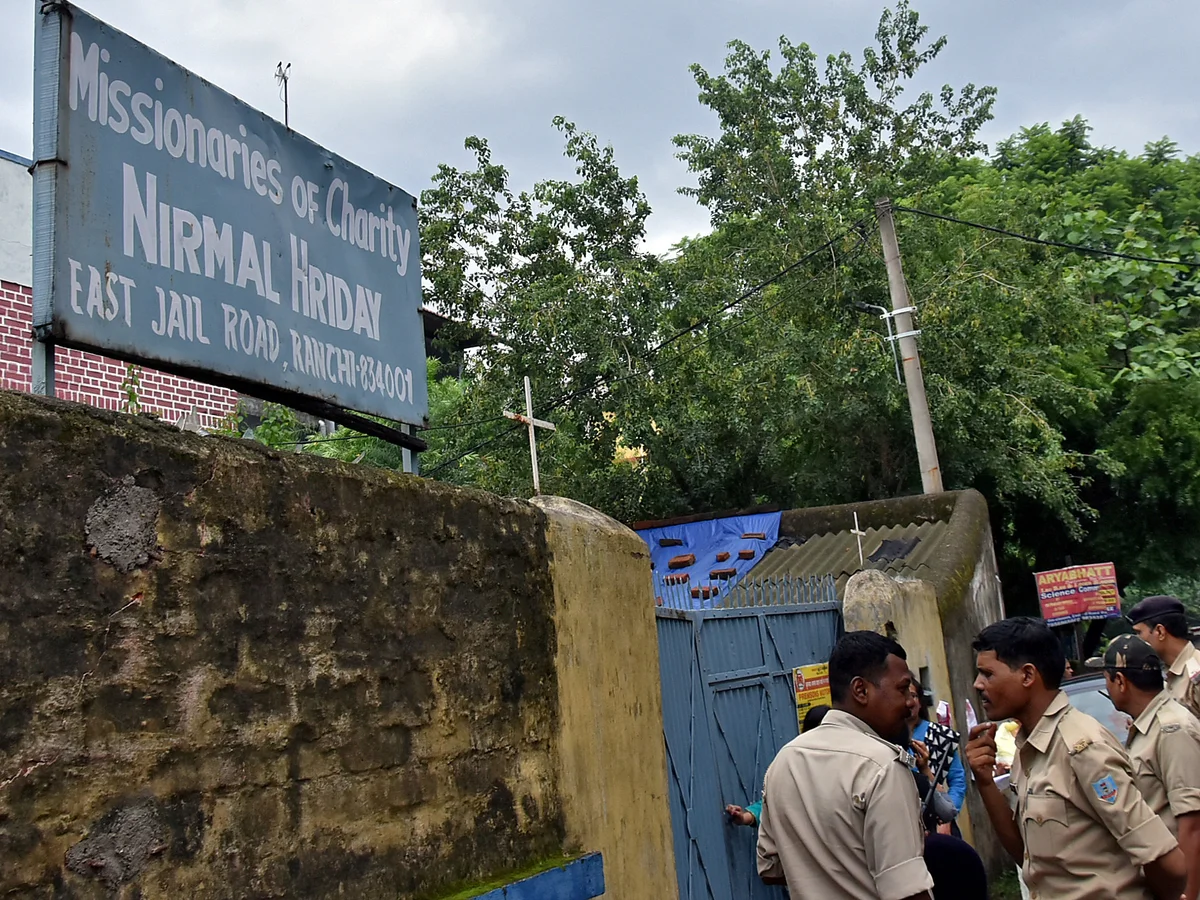
Court records revealed that the accused woman was an orphan who had been cared for by the Missionaries of Charity, the global Catholic charitable organisation founded by Mother Teresa, before she was adopted.
When the child was around three months old, the complainant and her husband approached a court seeking guardianship. The court permitted them to become her guardians under the provisions of the Guardians and Wards Act, 1890.
Over the years, the girl was raised as part of the family and treated socially and emotionally as their daughter.
Justice Jalan observed that although the relationship was not technically one of biological parent and child, it was effectively identical in emotional and social terms.
“The relationship between the parties, though not legally that of a parent and child, was no different from such a relationship, socially and emotionally,” the court noted.
The mother’s affidavit submitted before the court provided insight into the dynamics of the relationship. According to the statement, the family had experienced difficulties during the daughter’s teenage years.
Justice Jalan pointed out that such tensions are not unusual in parent-child relationships.
The court acknowledged that the daughter had apologised for her conduct and expressed gratitude toward the family for raising her. The apology and reconciliation played a key role in the court’s decision to terminate criminal proceedings.
As part of the settlement, the young woman has agreed that she will not claim any right, title, or interest in the mother’s assets or property.
The arrangement was accepted by the court while allowing the petition seeking quashing of the FIR.
At the same time, the court directed the young woman to undertake community service as part of her rehabilitation.
She has been asked to report to St Stephen’s Hospital in Delhi to carry out the assigned community work.
While the court’s decision focused primarily on the reconciliation between the mother and daughter, the case has also revived debate around institutional child-care systems and adoption pipelines.
The Missionaries of Charity, which initially housed the child, runs numerous orphanages and child-care centres across India and is one of the most prominent faith-based charitable organisations in the country.
Over the years, there have been questions about transparency, oversight, and the broader ecosystem of religious charitable institutions involved in child care and adoption.
Readers should know that, back in 2018, following allegations of baby trafficking, the Government of India ordered the immediate inspection of all childcare homes run by the Missionaries of Charity across the country. The move came after a shelter operated by the organisation in Jharkhand was shut down when police arrested a nun, Sister Konsalia Balsa, and a social worker, Anima Indwar, on charges of selling infants for illegal adoption.
Authorities alleged that three babies had already been sold from the home, which shelters pregnant and unmarried women, and that the accused were attempting to sell another two-month-old baby boy for about £1,325 to a couple from Uttar Pradesh under the pretext of a legitimate adoption and hospital expenses.
In several countries, Christian church institutions and missionary-run homes have faced serious allegations of abuse, coercion, and exploitation within shelters, orphanages, and residential schools.
Investigations in parts of Europe, North America, and Australia have uncovered cases where religious authorities were accused of shielding offenders or failing to report abuse promptly. These revelations have triggered worldwide debates about accountability, transparency, and the need for strict oversight of institutions that operate in the name of charity while working with minors and other vulnerable populations.
Such cases have also led to growing demands that missionary-run organisations involved in orphan care and adoption maintain the highest standards of transparency and child protection. Activists argue that while charitable work plays an important role in supporting abandoned or orphaned children, institutions must remain open to independent scrutiny to ensure that vulnerable individuals are not subjected to psychological pressure, exploitation, or abuse.
As discussions around adoption systems and institutional childcare continue, calls are increasing for stronger regulatory frameworks, regular audits, and greater accountability for all organisations, religious or otherwise, that operate under the banner of charity.