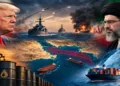
London: Britain is facing a severe energy crisis, according to multiple reports, with officials warning that the country has barely two days’ worth of natural gas reserves left. The alarming situation has raised serious concerns as disruptions in global energy supplies intensify due to the ongoing conflict in West Asia. The crisis has been aggravated after one of the world’s largest natural gas sources halted production and Iran closed a crucial shipping route in the region.
According to figures released by National Gas, Britain currently has only about 6,700 gigawatt-hours (GWh) of natural gas available in storage. Experts say this volume can meet the country’s needs for only about a day and a half under normal consumption levels. Britain also holds a similar quantity of liquefied natural gas (LNG) in reserve, but even when combined, the available supply remains critically low. In contrast, European Union member states appear to be in a relatively stronger position, having built up larger natural gas reserves over recent months. Several EU countries reportedly have enough supplies to last for several weeks. Britain’s limited reserves have placed it in a vulnerable position in the energy market, forcing the country to compete aggressively with European buyers to secure additional gas shipments.
Traders have already begun charging premium prices for natural gas deliveries to Britain, taking advantage of the country’s urgent need for supply. As a result, Britain is currently paying the highest wholesale gas price in Europe. Analysts warn that the situation could worsen if disruptions in global energy production and shipping continue.
The crisis has been further intensified by the shutdown of production facilities in parts of West Asia following Iranian attacks and the closure of the Strait of Hormuz, one of the world’s most critical energy shipping routes. Any prolonged disruption in this region could significantly affect global energy flows.
Earlier this week, Qatar announced that it had temporarily halted production at Ras Laffan, the world’s largest natural gas processing facility, after Iran launched strikes near the area. The Ras Laffan industrial city plays a central role in Qatar’s liquefied natural gas exports, supplying major markets across Europe and Asia. Energy experts warn that the ongoing conflict could push global oil and gas prices sharply higher. Some analysts estimate that crude oil prices could soon rise to around $120 per barrel if tensions continue to escalate. If the conflict drags on for a prolonged period, prices could even surge to $150 per barrel, further intensifying pressure on global economies.
Britons Stranded in West Asia
Meanwhile, the British government has begun taking steps to help citizens stranded in the conflict-hit West Asia return home safely. The Foreign Office has launched a dedicated booking portal allowing British nationals to reserve seats on charter flights departing from Dubai. Thousands of British citizens have been stranded across the region, particularly in the United Arab Emirates, since the conflict escalated. Authorities say that elderly passengers and people with disabilities will be given priority when booking seats on the charter flights. The Foreign Office has also stated that it will directly contact British nationals who have already registered their presence in the region through government travel registration systems.
Emergency evacuation operations began last week, with the government arranging special flights from several locations in West Asia. Two evacuation flights from Muscat in Oman have already landed in Britain, bringing back citizens who were unable to travel earlier due to regional tensions. Another flight carrying passengers from Dubai is expected to arrive in the UK early this week.
Despite these evacuation efforts, the security situation in the region remains tense. Iran’s attacks on the United Arab Emirates have continued in recent days. On Saturday, a man was killed in Dubai after debris from an Iranian drone that had been shot down fell onto a moving vehicle.
Tensions between US and Britain
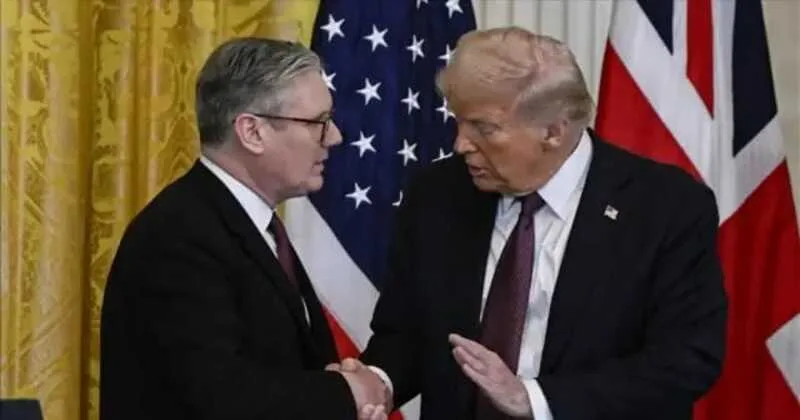
Amid the escalating conflict, diplomatic tensions have also emerged between Britain and the United States over London’s decision not to join the ongoing military action against Iran. The US President Donald Trump held a conversation with British Prime Minister Sir Keir Starmer as part of efforts to maintain the traditionally close relationship between the two countries. The two leaders spoke for the first time since the conflict began during a phone call held yesterday afternoon.
The conversation comes at a time when relations between the two allies have shown signs of strain. Britain has refused to participate directly in the war against Iran, with Starmer stating that the UK would only assist the United States if Iran launched a direct attack requiring defensive support.
Trump had earlier criticised Starmer publicly, accusing him of lacking support from allies and questioning Britain’s stance on the conflict. In posts on his social media platform Truth, Trump also suggested that Starmer was attempting to claim diplomatic credit without participating in the war.
British Foreign Secretary Yvette Cooper responded strongly to the criticism, stating that Britain does not conduct diplomacy through social media. Writing on the issue, she said that the UK does not outsource its foreign policy decisions. Meanwhile, Britain has allowed the United States to use British military bases strictly for defensive purposes. The Prime Minister’s Office confirmed that Starmer and Trump also discussed broader issues related to military cooperation during their conversation. Appearing on Sky News, Yvette Cooper reiterated the government’s position, saying that directly attacking Iran was not in Britain’s national interest and that the government would continue to prioritise diplomatic and defensive measures in responding to the crisis.