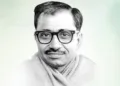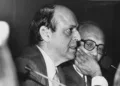

“Unless all nations of the world are truly represented in it, the UNO can hardly claim to bear that appellation. The UNO Charter needs revision. But fear has been expressed that any attempt to revise it may lead to the disintegration of the UNO. Well it may. But it will be no use allowing the UNO to repeat the history of the League of Nations. The test of Statesmanship of the leaders of world powers lies in successfully revising the Charter” –Pandit Deendayal Upadhyaya, Political Diary, Organiser Weekly, February 22, 1960
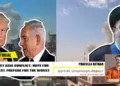
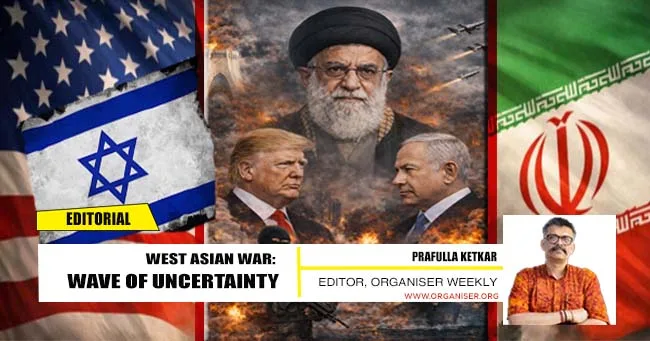
The global economy is yet to overcome the disruption that was caused due to COVID-19 pandemic. The unending war between Russia and Ukraine has reached a deadlock, thereby creating a lot of pressure on the oil market. And now, after years of build-up, US-Israel combined forces carried out a meticulous precision attack on Iran, killing the supreme leader Ayatollah Khamenei and almost the entire top leadership of the country. The retaliation from the Iranian side has further increased volatility in the already disturbed West Asian region. Amidst this crisis, we need to prepare for multiple layers of uncertainties.
The US-Israel together carried out the strike to eliminate the Iranian top leadership, yet again proving that modern warfare is not about putting boots on the ground but meticulous planning, integrated intelligence and effective use of technology. Despite eliminating the main target in the form of topmost religious leader Ayatollah Khamenei, we still do not know whether the clergy-controlled regime with the committed Islamic Revolutionary Guard Corps (IRGC) will be replaced or not. Though freedom, democracy, and women’s rights are narratives pushed by America, no credible alternative is emerging in the country with a strong civilisational memory. Iran returning to the original Persian culture still looks a distant dream, so is the political stability.
The war has pushed the Islamic world into another wave of turmoil. The Shias are protesting across the world against America and Israel, which might lead to a new set of terrorism, as the Islamic State of Iraq and Syria (ISIS) occupied the space after Saddam Hussein was eliminated. Iran is relentlessly striking the Gulf countries and the strategic assets which are under the American control. The Shia Vs Sunni equations in West Asia will take an ugly turn and will have global ramifications. In countries like Bharat, where both the Islamic sects are in substantial numbers in certain pockets, the strain on the social fabric would be tremendous. We are still not sure whether the Western world is ready for the backlash resulting from this sectarian feud.
The biggest immediate disruption is in the oil market with the Hormuz Strait, the major route involving global oil trade, which has virtually come to a standstill. The Iranian response was equally lethal, raining missiles and drones across the Gulf region. Prices are rising, and oil facilities are being targeted. Though targeting nuclear facilities is an excuse used by Israel, citing the existential threat, control over the oil market is the real reason behind this war. That very oil is impacting global markets; stock markets are volatile, and global inflationary trend might be upward, if the war continues for few more days. The American model, thriving on a war economy, is not prepared to deal with the uncertainty created by this war.
The biggest casualty, yet again, is the United Nations system. The international structure that emerged after World War II is proving ineffective at fulfilling its basic purpose – ensuring world peace through international law. The forum for deliberation has become useless in addressing global uncertainties and demands urgent reform. The basic flaws in the UN system that Pt Deendayal ji talked about are becoming even more evident.
Bharat is maintaining strategic silence. Without taking sides in the war of Adharmic forces, the focus is on saving our people and ensuring energy security. Instead of getting carried away by the war of narratives driven by political appeasement, what Bharat should do is prepare itself to deal with the uncertainties glaring across the world.