Washington/Dubai: The smouldering war in the Middle East is spiralling towards unprecedented destruction and fear. Almost all Gulf nations, with the exception of Oman, now find themselves under the shadow of escalating hostilities. While Iranian missiles have not struck Omani territory directly, Tehran has targeted vessels transiting waters along Oman’s maritime borders, intensifying anxiety across key shipping routes. At the same time, a drone attack struck the American embassy compound in Saudi Arabia. Although no personnel were present at the time, the building sustained visible structural damage, underscoring the widening scope of the conflict.
Escalation after Khamenei’s assassination
The region is expected to grow even more volatile in the coming days after Iranian President Masoud Peskov declared that Iran would raise the “red flag” and launch an unprecedented counteroffensive against the United States and Israel. The threat comes in retaliation for the assassination of Supreme Leader Ayatollah Ali Khamenei.
Tensions surged dramatically after a powerful joint US-Israeli airstrike early Saturday killed Khamenei along with nearly 50 senior military commanders in Tehran. Following official confirmation from Iranian authorities, pro-Iranian forces and Iranian military units initiated retaliatory strikes across several Gulf locations. The prospect of mediation appears remote. No regional or global power has stepped forward with a credible diplomatic initiative, heightening fears that the confrontation could evolve into a prolonged and devastating regional war.
Gulf cities under fire
The conflict has already left visible scars across major Gulf cities. In Manama, Bahrain, an Iranian suicide drone crashed into a residential building near the US naval base, sending a massive fireball and debris cascading over the area. The incident caused widespread panic among residents. Additionally, a missile strike targeted the US Fifth Fleet headquarters in Bahrain, destroying two satellite terminals and damaging multiple adjacent structures.
In Dubai, panic gripped tourists after a drone crashed near the five-star Fairmont The Palm hotel on Palm Jumeirah. Four people were injured in the explosion. Dramatic footage later emerged showing defence systems intercepting drones in the skies near the Burj Khalifa, the world’s tallest building.
Elsewhere in the United Arab Emirates, missile debris sparked a fire near the iconic Burj Al Arab hotel. In Doha, Qatar, civilians were seen running in terror as a roadside missile landed and exploded moments later, highlighting how metropolitan centres far from traditional frontlines are now directly exposed to the conflict.
The attack on the American embassy in Saudi Arabia further signalled that diplomatic facilities are no longer immune from the expanding theatre of war. Meanwhile, reports indicate that three American F-15 fighter jets were accidentally shot down by Kuwaiti forces in what appears to be a case of friendly fire. Videos circulating online show aircraft spiralling out of control before crashing. Despite the dramatic scenes, all pilots reportedly survived after ejecting safely. Official casualty figures remain grim. Authorities report that 555 people have been killed in Iran, 11 in Israel, and 31 in Lebanon so far. With retaliatory strikes intensifying and diplomatic channels paralysed, West Asia stands on the brink of a deeper and potentially prolonged conflict.
Reports of Saudi lobbying before US strike
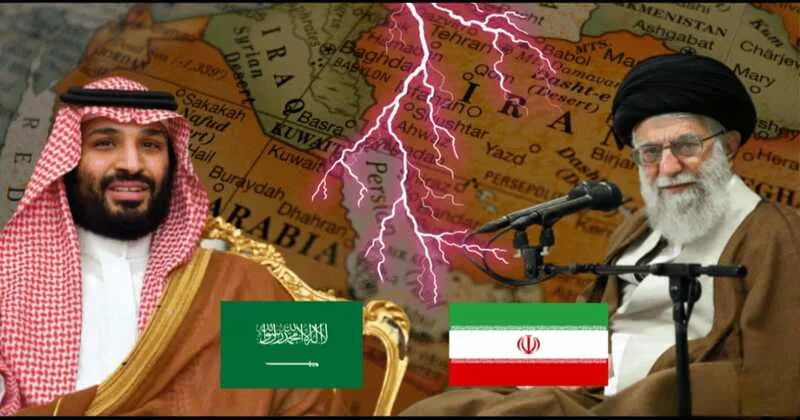
As the region braces for further escalation, fresh reports suggest that diplomatic manoeuvring behind the scenes may have played a decisive role in shaping the course of events. According to The Washington Post, Saudi Crown Prince Mohammed bin Salman privately called US President Donald Trump multiple times in the weeks leading up to Operation Epic Fury, urging him to authorise military strikes on Iran. The report, citing US and regional officials, said the crown prince warned that delaying action would embolden Tehran and allow it to consolidate its regional influence.
The outreach reportedly continued even as Riyadh publicly advocated diplomacy and maintained that it would not permit its territory or airspace to be used for attacks on Iran. The apparent dual-track approach, public neutrality coupled with private pressure, has added a new dimension to the unfolding crisis. The revelations suggest that Saudi Arabia, while not directly participating in the strike, may have played a significant behind-the-scenes role in the chain of events that culminated in the assassination of Ayatollah Ali Khamenei and the sweeping retaliation now engulfing the Gulf.