
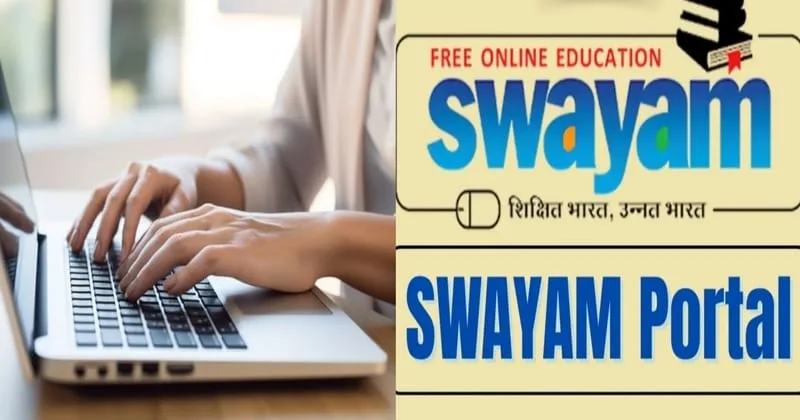
India is quietly sitting on one of the most powerful educational platforms in the world, SWAYAM (Study Webs of Active‑Learning for Young Aspiring Minds). Launched with vision and supported by union government institutions, SWAYAM hosts thousands of online e‑learning courses, spanning from basic school subjects to cutting‑edge professional and vocational training.
Many of these courses are free to access, and for a nominal fee, learners can take exams and earn government-recognised certificates that carry real value in academia and industry. Yet, for a platform with such promise, SWAYAM remains little known, even among India’s students, job‑seekers, and lifelong learners. This is a paradox at a time when online e-learning is surging globally, and India is home to one of the largest youth populations on Earth, striving for skills, jobs, and upward mobility.
Why SWAYAM isn’t on every learner’s radar
Despite being backed by the Government of India and offering certified learning pathways, SWAYAM suffers from:
Weak branding and PR: Unlike global players such as Coursera, Udemy or edX, SWAYAM does not have a recognisable brand identity that excites students.
Poor outreach strategy: There has been little sustained engagement with schools, colleges, industry associations, youth forums, or influencers.
Lack of strategic partnerships: SWAYAM’s visibility could have been amplified significantly through collaborations with tech companies, social media platforms, and employers — but such initiatives have been modest at best.
Minimal promotion in vernacular languages: With India’s linguistic diversity, restricting outreach to predominantly English‑oriented channels has limited its reach among millions of learners.
A case for strategic reform and leadership
The Ministry of Information and Broadcasting (MIB) currently oversees SWAYAM’s communication strategy. However, MIB’s historical performance in promoting digital public goods has been underwhelming. To realise SWAYAM’s potential as India’s own Coursera, we need strategic leadership, a dynamic mandate, and modern communication expertise.
Here’s what India can gain:
Soft power leverage: Imagine millions of global learners enrolling in SWAYAM courses on Indian knowledge systems like Ayurveda, Yoga, philosophy, IT, and advanced sciences. This could be India’s largest soft‑power export in education.
Skilling and employability: A properly marketed SWAYAM can bridge the gap between India’s workforce and industry demands, especially in emerging areas like AI, cybersecurity, green tech, and digital media.
Economic benefits: Certified learners enter the workforce more skilled, increasing productivity, employability, and economic participation.
Political advantage: For the ruling government, promoting a homegrown learning platform — affordable, inclusive, and certified, is a powerful narrative of digital empowerment for all.
SWAYAM has been in existence for years but lacks the visibility, resonance, and strategic push India’s demographic dividend deserves. What it needs is not just funding, but visionary leadership, communications discipline, modern content strategy, and aggressive outreach. With the right reforms and public engagement strategy, SWAYAM could finally become the go‑to online learning platform for India and the world.