The Election Commission of India (ECI) on December 27, dismissed allegations made by Trinamool Congress (TMC) MP Kakoli Ghosh Dastidar, terming her claims “misleading” and asserting that there was no deletion of her family members’ names from the draft electoral rolls prepared under the ongoing Special Intensive Revision (SIR) exercise in West Bengal.
In an official clarification, the poll panel stated that enumeration forms generated during the SIR process clearly show the presence of the names cited by the TMC leader and that no linkage exists to suggest their removal from the voter list. The ECI further underlined that the individuals concerned were called for hearings strictly in accordance with the provisions outlined in the Commission’s notification governing the SIR.
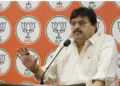
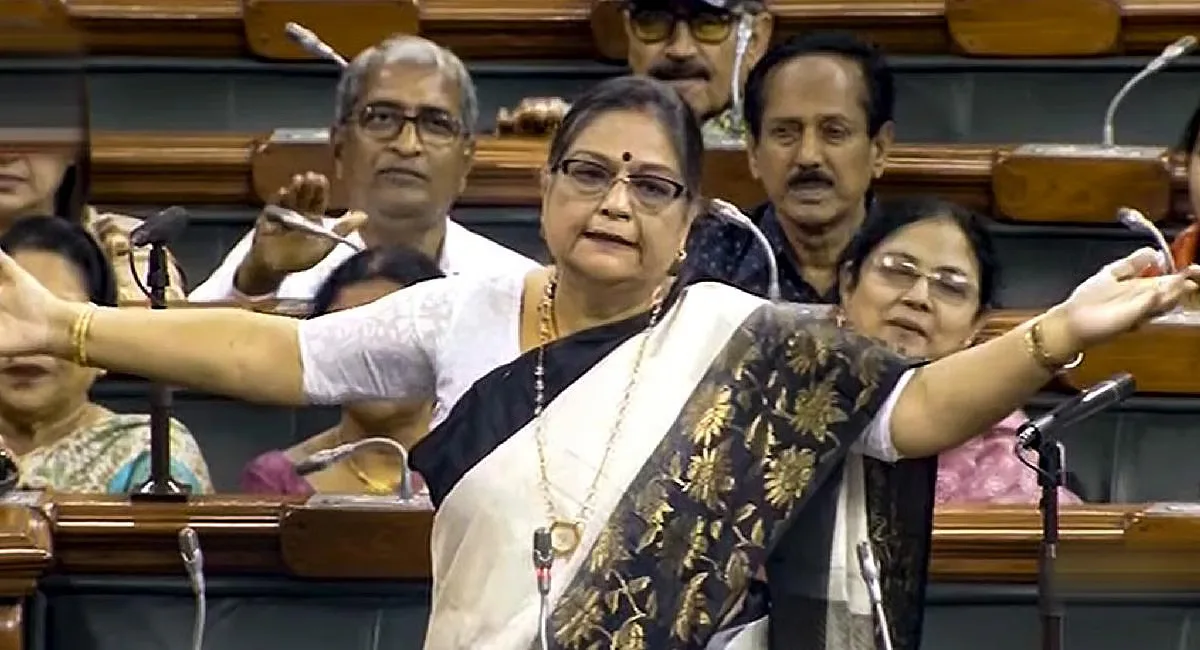
The clarification followed public allegations by Dastidar, the TMC’s chief whip in the Lok Sabha, who claimed that four of her family members were being harassed by the Election Commission after their names were allegedly found missing from the draft electoral roll published post-enumeration.
Dastidar stated that her mother Ira Mitra, sister Piyali Mitra, and her sons Biswanath and Baidyanath had received summons under the SIR process. She described the action as politically motivated and alleged selective targeting, asserting that her family would submit any documents sought by the authorities.
Her remarks came on the first day of hearings under the Special Intensive Revision exercise, which began on Saturday and immediately escalated into a political confrontation between the ruling TMC in West Bengal and the opposition Bharatiya Janata Party (BJP).
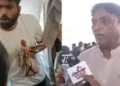
Countering the allegations, local Booth Level Officer Kapil Ananda Haldar clarified that the names of all individuals mentioned by the MP are present in the draft electoral rolls. He explained that hearings are a routine part of the SIR process and are conducted whenever discrepancies, corrections, or document verification are required in the enumeration forms.
According to the Booth Level Officer, Piyali Mitra has been asked to appear for a hearing on December 31, while Ira Mitra has been summoned on January 8 along with supporting documents. The official stressed that such notices do not imply deletion of names but are meant to ensure accuracy and completeness of voter records.
The Election Commission echoed this position, reiterating that the SIR exercise is a nationwide administrative process aimed at cleaning and updating electoral rolls and that similar hearings are being conducted across states wherever discrepancies are detected.
Despite the clarification, senior TMC leaders intensified their criticism of the Election Commission. State minister Chandrima Bhattacharya led a five-member party delegation to meet West Bengal’s Chief Electoral Officer Manoj Kumar Agarwal, accusing the ECI of exceeding its constitutional mandate.
Bhattacharya alleged that the SIR process was being used as a pretext to delete a large number of voters from the electoral rolls in the state, a charge the Commission has consistently denied. The TMC has maintained that the scale and timing of the exercise raise serious concerns ahead of upcoming elections.
The BJP, however, came out strongly in support of the Election Commission’s actions. Union minister Sukanta Majumdar said the ECI was merely fulfilling its constitutional responsibility to ensure free, fair, and accurate electoral rolls.
He accused the TMC of opposing the SIR process out of fear that the removal of fake, duplicate, or illegal entries from the voter list would adversely impact the party’s electoral prospects. Majumdar asserted that political pressure should not be allowed to undermine the integrity of the voter verification exercise.
The Special Intensive Revision of electoral rolls has emerged as a major political flashpoint in West Bengal, with hearings beginning amid heightened allegations and counter-allegations. While the Election Commission has repeatedly emphasised that the process is transparent, rule-bound, and apolitical, the ruling party has framed it as an attempt to disenfranchise voters.