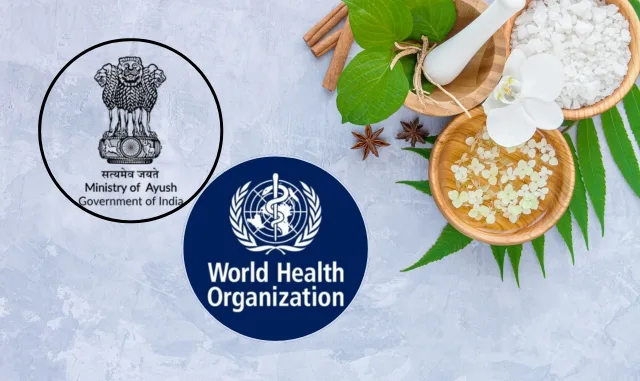
On May 24, 2025, a historic agreement was formalised between India’s Ministry of Ayush and the World Health Organisation (WHO), marking a pivotal moment in the global recognition and integration of traditional medicine systems. This landmark Memorandum of Understanding (MoU) initiates the development of a dedicated Traditional Medicine module within the WHO’s International Classification of Health Interventions (ICHI).
This initiative, celebrated by Prime Minister Shri Narendra Modi during the 122nd episode of Mann Ki Baat, aims to standardise and scientifically validate traditional Indian medical systems such as Ayurveda, Yoga, Siddha, and Unani, enabling their seamless integration into global healthcare frameworks. With a 3 million dollar contribution from India, this collaboration underscores the nation’s commitment to promoting its rich heritage of traditional wisdom as a credible, evidence-based component of universal healthcare.
Traditional medicine has been an integral part of India’s cultural and healthcare landscape for centuries, offering holistic approaches to wellness through systems like Ayurveda, Yoga, Siddha, and Unani (collectively referred to as Ayush). Despite their widespread use and cultural significance, these systems have often faced challenges in gaining global acceptance due to a lack of standardised documentation and scientific validation. The agreement signed on May 24, 2025, between the Ministry of Ayush and the WHO addresses these challenges by initiating the development of a dedicated Traditional Medicine module under the ICHI framework. This collaboration represents a transformative step toward mainstreaming Ayush globally, aligning it with international healthcare standards and enhancing its accessibility to diverse populations.
The initiative was highlighted by Prime Minister Shri Narendra Modi during his Mann Ki Baat address on May 25, 2025, where he emphasised its potential to bring Ayush to “the maximum number of people across the world in a scientific manner.” Supported by a 3 million dollar contribution from India, as acknowledged by WHO Director-General Dr. Tedros Adhanom Ghebreyesus, this agreement not only elevates the global standing of traditional medicine but also reinforces India’s leadership in promoting health for all.
The WHO’s International Classification of Health Interventions (ICHI) is a standardised framework designed to document and classify health interventions and treatments administered across various healthcare systems. It complements the International Classification of Diseases (ICD-11), which categorises diseases and health conditions. While ICD-11 has made strides in recognising traditional medicine diagnoses, the absence of a standardised framework for traditional medicine interventions has limited their integration into global healthcare systems. The new ICHI Traditional Medicine module addresses this gap by providing a structured, universally accepted classification for therapies such as Panchakarma (Ayurveda), Yoga therapy, Unani regimens, and Siddha procedures.
India’s Ayush systems are rooted in ancient wisdom, combining preventive, curative, and rehabilitative approaches to health. Ayurveda emphasises balance through diet, lifestyle, and herbal remedies; Yoga promotes physical and mental well-being through postures, breathing, and meditation; Siddha focuses on holistic healing using natural and mineral-based treatments; and Unani integrates principles of balance and humourism. Despite their efficacy and cultural significance, these systems have often been sidelined in global healthcare due to challenges in standardisation, documentation, and integration with modern medical frameworks.
The agreement between the Ministry of Ayush and WHO builds on India’s ongoing efforts to promote traditional medicine globally. Previous initiatives, such as the establishment of the WHO Global Centre for Traditional Medicine in Jamnagar, Gujarat, and the inclusion of traditional medicine codes in ICD-11, have laid the groundwork for this collaboration. The new ICHI module represents a natural progression, enabling Ayush interventions to be recognised, documented, and integrated into global health systems with scientific rigor.
Objectives of the Agreement
The primary objective of the agreement is to develop a dedicated Traditional Medicine module within the ICHI framework, enabling the standardised classification of Ayush interventions. This module will encompass therapies from Ayurveda, Yoga, Siddha, and Unani, ensuring they are documented in globally recognised terms. The key objectives include:
• Standardisation and Scientific Validation: By integrating Ayush interventions into the ICHI framework, the agreement ensures that these therapies are documented using standardised, evidence-based terminology, enhancing their credibility and acceptance worldwide.
• Global Accessibility: The module will facilitate the dissemination of Ayush therapies to diverse populations, making them more accessible to healthcare providers, patients, and policymakers globally.
• Integration with Healthcare Systems: Standardised classification will enable smoother integration of Ayush treatments into hospital management systems, health insurance frameworks, and clinical documentation processes.
• Policy Recognition: The agreement aims to position Ayush as an evidence-based component of global health policies, encouraging governments and institutions to incorporate traditional medicine into their healthcare strategies.
• Affordable and Transparent Healthcare: By providing a standardised framework for billing and pricing, the module will promote transparency and fairness in the delivery of Ayush services, making them more affordable for patients worldwide.
Key Features of the ICHI Traditional Medicine Module
The ICHI Traditional Medicine module is designed to complement the ICD-11 framework, creating a comprehensive system for documenting both diseases and interventions in traditional medicine. Key features include:
• Comprehensive Coverage: The module will include a wide range of Ayush interventions, such as Panchakarma (a detoxification and rejuvenation therapy in Ayurveda), Yoga therapy (therapeutic applications of yoga for physical and mental health), Unani regimens (dietary and lifestyle interventions), and Siddha procedures (herbal and mineral-based treatments).
• Standardised Terminology: Interventions will be classified using universally accepted codes, ensuring consistency and clarity in documentation across countries and healthcare systems.
• Evidence-Based Framework: The module will be developed with scientific rigor, incorporating research and clinical data to validate the efficacy of Ayush therapies.
• Interoperability: The module will align with existing WHO frameworks, such as ICD-11 and ICHI, enabling seamless integration with modern healthcare systems.
Benefits of the Agreement
The inclusion of a Traditional Medicine module in ICHI is expected to yield multiple benefits for patients, healthcare providers, and policymakers:
• Transparent Billing and Fair Pricing: Standardised classification will enable transparent billing practices, reducing discrepancies in the cost of Ayush services and making them more affordable for patients.
• Health Insurance Integration: By providing clear codes for Ayush interventions, the module will facilitate their inclusion in health insurance coverage, enabling patients to access these therapies without financial barriers.
• Improved Hospital Management: Hospitals and clinics will benefit from streamlined documentation and management processes, as Ayush interventions can be easily integrated into electronic health records and clinical workflows.
• Enhanced Health Research: Standardised data on Ayush interventions will support global research efforts, enabling scientists to study their efficacy, safety, and impact on public health outcomes.
• Global Accessibility: The module will make Ayush therapies more accessible to international audiences, encouraging healthcare providers to adopt these interventions and patients to seek them out.
• Cultural and Economic Impact: By promoting India’s traditional medicine systems, the agreement will enhance the country’s soft power and create economic opportunities in the global wellness and healthcare markets.
Global and National Implications
The agreement has far-reaching implications for both India and the global healthcare landscape. For India, it reinforces the nation’s leadership in traditional medicine and aligns with the government’s vision of promoting Ayush as a cornerstone of universal healthcare. The initiative builds on India’s previous contributions to global health, such as the establishment of the WHO Global Centre for Traditional Medicine and the inclusion of traditional medicine in ICD-11.
Globally, the agreement positions Ayush as a credible, evidence-based alternative to conventional medicine, addressing the growing demand for holistic and preventive healthcare. As populations worldwide grapple with rising healthcare costs and chronic diseases, traditional medicine offers cost-effective, sustainable solutions that emphasise wellness and prevention. The ICHI module will enable governments, healthcare providers, and insurers to integrate Ayush into their systems, fostering a more inclusive and diverse global healthcare framework.
The agreement between India’s Ministry of Ayush and the WHO to develop a Traditional Medicine module under the ICHI framework is a transformative milestone in the global mainstreaming of Ayush systems. By standardising and scientifically validating therapies such as Ayurveda, Yoga, Siddha, and Unani, this initiative paves the way for their integration into global healthcare systems, enhancing accessibility, affordability, and trust.
As the world moves toward inclusive and sustainable healthcare models, the ICHI Traditional Medicine module will serve as a bridge between ancient wisdom and modern science, fostering a healthier, more equitable future.