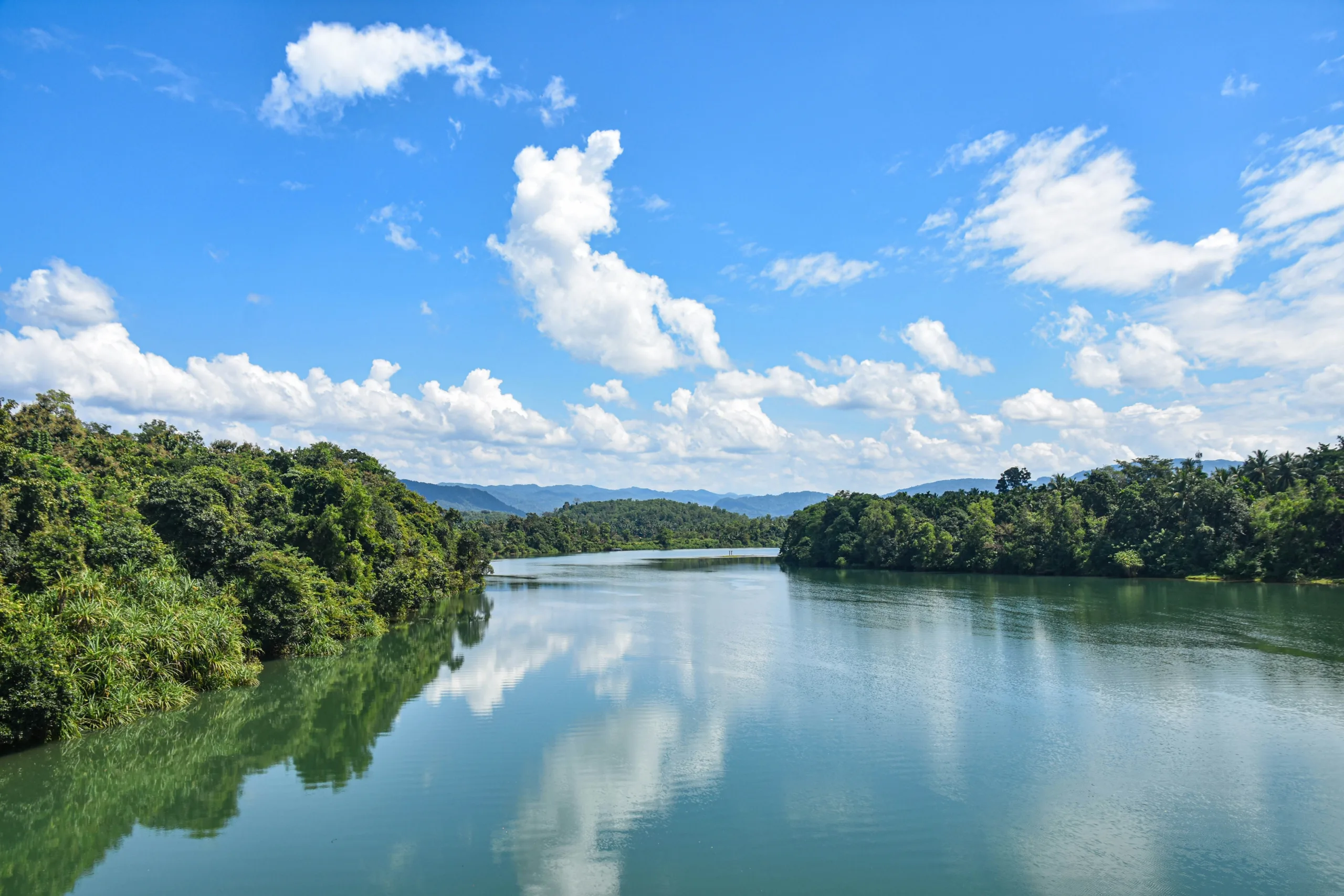
South Karnataka, a region blessed with a peaceful society and abundant resources, is a place where culture thrives. Historically, our culture has flourished in environments that provide both tranquillity and natural wealth. Living alongside rivers and water bodies has always been an integral part of our Bharatiya lifestyle. These areas are not just geographical locations but also hold immense historical and cultural significance. For thousands of years, our history has been deeply intertwined with these rivers and their surroundings. However, over time, we have started to lose touch with this rich heritage.
यो वः शिवतमो रसस्तस्य भाजयतेह नः ।
उशतीरिव मातरः ॥२॥
Yo Vah Shivatamo Rasas-Tasya Bhaajayate-Ha Nah |
Ushatiiriva Maatarah ||2||
Meaning:
O Water, this auspicious Sap of yours, please share with us,
Like a Mother desiring (to share her best possessions with her children)
– Rigveda | aapaha suktha
Before we lose any more of this invaluable cultural legacy, it is imperative that we take a moment to introspect and take action. We need to work diligently to preserve and enrich these areas, reconnecting with our roots and fostering a dharmic way of life. By revitalizing the life and culture around South Karnataka’s non-perennial rivers, we can ensure that our cultural heritage continues to thrive for generations to come.
The Silent Streams of South Karnataka
South Karnataka is home to several non-perennial rivers, each with its own unique story and significance. These rivers may not flow year-round, but they play crucial roles in the region’s ecology, culture, and water security. Let’s take a closer look at some of these vital waterways:
Arkavathi: Once a major source of water for Bangalore, this river has seen its flow reduce dramatically in recent decades. The Arkavathi originates in the Nandi Hills and flows for about 190 km before joining the Kaveri River. Its restoration is critical for addressing Bangalore’s water scarcity issues.
Shimsha: A tributary of the Kaveri, the Shimsha is known for its scenic beauty. It flows through the districts of Tumkur and Mandya, creating picturesque waterfalls along its course. The river is not just a water source but also a popular tourist attraction.
Kumudvathi: This river holds deep cultural significance for the people of Karnataka. It flows through the Nelamangala taluk of Bangalore Rural district. Many temples like Namada Chilume (Lord Rama Temple), Shree Lakshmi Narasimha Swamy Temple, Kaidala , Shree Bhoganandeeshwara Temple to name a few and several sacred sites dot its banks, making it an important part of the region’s cultural heritage.
Vrishabhavathi: Originally a pristine stream, the Vrishabhavathi now struggles with severe pollution issues. It flows through Bangalore city, bearing the brunt of rapid urbanisation and industrialisation. Its revival is crucial for improving Bangalore’s water quality and urban environment.
Chitravathi: An important river in the Kolar district, the Chitravathi plays a vital role in the region’s agriculture. It originates in the Chikkaballapur district and flows eastward, eventually joining the Pennar River in Andhra Pradesh.
Jayamangali: A tributary of the Pennar river, the Jayamangali flows through the eastern parts of Karnataka. It’s an important water source for several towns and villages in the madhugiri / koratagere regions.
Dakshina Pinakini: Also known as the Southern Pennar, this river originates near Nandi Hills and flows eastward through Karnataka and Tamil Nadu before emptying into the Bay of Bengal. Its basin is crucial for agriculture in both states.
Uttara Pinakini: The Northern Pennar originates in the Nandi Hills and flows northward before turning east. It’s an important river for the districts of Kolar and Chikkaballapur.
Vedavathi: A tributary of the Tungabhadra, the Vedavathi originates in the Western Ghats. It flows through the districts of Chikkamagaluru, Chitradurga, and Bellary, supporting agriculture and providing water for numerous towns and villages.
Palar: An inter-state river flowing through Karnataka, Tamil Nadu, and Andhra Pradesh, the Palar originates in the Nandi Hills of Karnataka. It’s a crucial water source for all three states and has been the subject of water-sharing disputes.
These rivers, though they may not flow year-round, play a crucial role in our ecosystem and cultural landscape. Their seasonal nature doesn’t diminish their importance; rather, it highlights the need for careful management and conservation of these precious water resources.
True Value of Our Rivers
The importance of these rivers extends far beyond their role as water sources. They are the threads that weave through the fabric of our cultural and environmental tapestry, touching every aspect of life in South Karnataka.
Cultural Significance: Many of these rivers are considered sacred, playing vital roles in local traditions and festivals. The Kumudvathi, for instance, is associated with several temples along its course, each with its legends and rituals. The river is believed to have healing properties, and people often visit its banks for spiritual purification. Similarly, the Arkavathi is linked to the famous Nandi Hills, a place of great religious and historical importance.
These rivers are not just geographical features but living entities in the cultural consciousness of the people. They feature prominently in local folklore, songs, and art, serving as a source of inspiration and identity for generations. Annual river festivals celebrate the bond between the people and these waterways, reinforcing the cultural significance of these rivers.
Stones Inscriptions
We often find stone inscriptions near temples and along riverbanks that serve as enduring records of the cultural, religious, and social dynamics of ancient societies. These stones not only document the construction and patronage of temples but also reveal the societal norms and royal decrees that aimed to safeguard these sacred spaces.
Many inscription stones provide detailed accounts of the construction of temples along the banks of rivers. These temples, often built under the patronage of kings, queens, and local chieftains, were central to the religious and cultural life of the time. The inscriptions highlight the deep reverence held for these structures and the rivers that flowed beside them. Rituals, festivals, and ceremonies dedicated to honoring the rivers are frequently mentioned, underscoring their sacred status within the community.
Environmental Stewardship
The inscriptions go beyond religious documentation to reflect the environmental consciousness of ancient rulers and societies. Royal decrees and societal norms aimed at protecting rivers are often recorded on these stones. Measures such as planting trees along riverbanks, constructing tanks and wells, and prohibiting activities that could pollute the water demonstrate a commitment to environmental stewardship. These actions were not merely practical but were imbued with a sense of sacred duty to preserve the natural world.
Environmental Impact: These rivers, even in their non-perennial state, are crucial for local biodiversity. They support unique ecosystems, provide habitats for various species, and contribute to the overall environmental health of the region. The riparian zones along these rivers are biodiversity hotspots, hosting a variety of plant and animal species that are adapted to the seasonal flow patterns.
For example, the Shimsha River supports a diverse array of fish species, including the endangered Deccan Mahseer. The wetlands associated with these rivers serve as important stopovers for migratory birds. The seasonal flooding of these rivers also plays a crucial role in maintaining soil fertility in the floodplains, supporting agriculture and natural vegetation.
Moreover, these rivers play a vital role in groundwater recharge. As they flow, they replenish aquifers along their course, helping maintain groundwater levels in the region. This is particularly important in areas where groundwater is the primary source of water for agriculture and domestic use.