Decoding strategic importance and geopolitics of Kashmir
July 19, 2026
  • Read Ecopy
  • Circulation
  • Advertise
  • Careers
  • About Us
  • Contact Us
Android AppiPhone AppArattai
Organiser
  • ‌
  • Bharat
    • Assam
    • Bihar
    • Chhattisgarh
    • Jharkhand
    • Maharashtra
    • View All States
  • World
    • Asia
    • Europe
    • North America
    • South America
    • Africa
    • Australia
  • Editorial
  • International
  • Opinion
  • RSS @ 100
  • More
    • Op Sindoor
    • Analysis
    • Sports
    • Defence
    • Politics
    • Business
    • Economy
    • Culture
    • Special Report
    • Sci & Tech
    • Entertainment
    • G20
    • Azadi Ka Amrit Mahotsav
    • Vocal4Local
    • Web Stories
    • Education
    • Employment
    • Books
    • Interviews
    • Travel
    • Law
    • Health
    • Obituary
  • Subscribe
    • Subscribe Print Edition
    • Subscribe Ecopy
    • Read Ecopy
  • ‌
  • Bharat
    • Assam
    • Bihar
    • Chhattisgarh
    • Jharkhand
    • Maharashtra
    • View All States
  • World
    • Asia
    • Europe
    • North America
    • South America
    • Africa
    • Australia
  • Editorial
  • International
  • Opinion
  • RSS @ 100
  • More
    • Op Sindoor
    • Analysis
    • Sports
    • Defence
    • Politics
    • Business
    • Economy
    • Culture
    • Special Report
    • Sci & Tech
    • Entertainment
    • G20
    • Azadi Ka Amrit Mahotsav
    • Vocal4Local
    • Web Stories
    • Education
    • Employment
    • Books
    • Interviews
    • Travel
    • Law
    • Health
    • Obituary
  • Subscribe
    • Subscribe Print Edition
    • Subscribe Ecopy
    • Read Ecopy
Organiser
  • Home
  • Bharat
  • World
  • Operation Sindoor
  • Editorial
  • Analysis
  • Opinion
  • Culture
  • Defence
  • International Edition
  • RSS @ 100
  • Magazine
  • Read Ecopy
Home Bharat

Decoding strategic importance and geopolitics of Kashmir

To counter the Chinese rush, India has to first protect the natural resources, territory and sovereignty of Kashmir. Secondly, abrogation of Article 370 is a step to safeguard India’s strategic natural resources. Thirdly, India needs to seek technological support from Japan and South Korea to develop capacities to fully utilise legally permitted share of waters under Indus Water Treaty, 1960

Pavneet SinghPavneet Singh
Jun 2, 2024, 03:00 pm IST
in Bharat, Analysis, Jammu and Kashmir
Follow on Google News
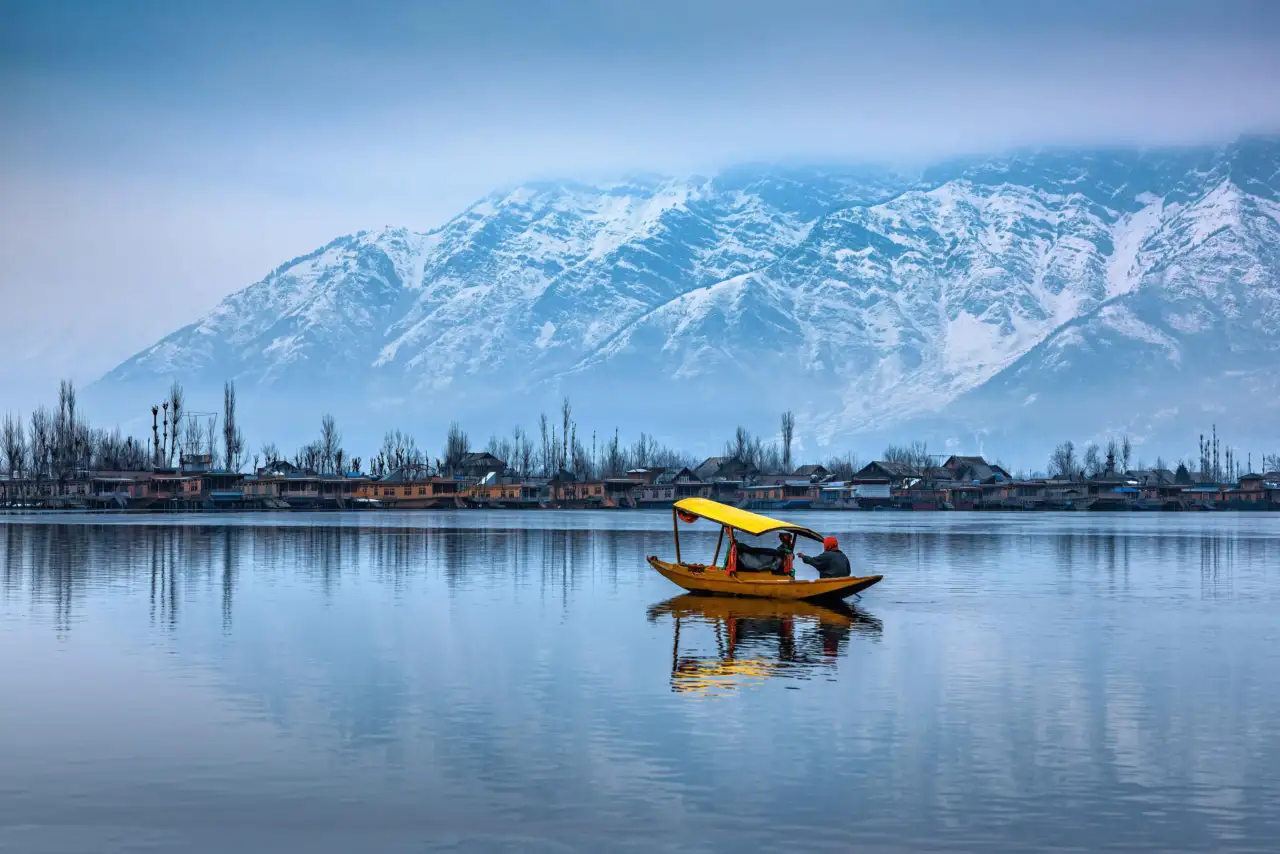
A representative image (Source: Veena World)

A representative image (Source: Veena World)

FacebookTwitterWhatsAppTelegramEmail

The Shaksgam valley, whose access is through Aksai Chin, is a part of the Gilgit Agency and home to 242 glaciers. It is the most glaciated region on earth after North Pole and South Pole. The Shaksgam valley was handed over by British under Operation Datta Khel to Pakistan as part of the Gilgit Agency.  Subsequently, the valley was given by Pakistan to China in 1963 as part of Sino-Pakistan Boundary Agreement.

In Sin-kiang Taklamakan desert, which is located north of Siachen Glacier, is a green oasis where there is a newly built manufacturing facility which is likely to alter the geostrategic dimensions of US, China and India because this facility is going to be the world’s largest manufacturing unit of polysilicon, which is an intermediate product to manufacture Silicon wafers. The Silicon Wafers would then be transformed into multiple microchips and applications that range from pacemakers to mobiles to geostationary satellites because the world is powered by microchips.

Just outside Kashgar, in Sin-kiang, GCL Polyenergy Holdings, the core Chinese polysilicon and silicon wafer producer, is establishing a 130,000 MT polysilicon plant that would manufacture low-cost and high-quality polysilicon for the world. The US and China Cold War is going to divide the world of the 21st century into states that have access to advanced microchip technologies and states that don’t and the key of this 21st-century power struggle lies in Kashmir. On November 21, 2016, the USS Zumwalt, a guided missile destroyer of US Navy, was traversing the Panama Canal and when it suffered a catastrophic propulsion failure.

An investigation identified that the failure occurred due to Chinese chip destroyers used in the ship which even had backdoors installed for easy hacking. The US Navy, as a cost-cutting measure, was forced to buy tens of thousands of Chinese PLA-manufactured microchips. The Chinese are at the forefront in developing microchips at low prices that they are selling to different militaries in the world like US, Britain and France. The Chinese government has created China’s National Integrated Circuit Industry Investment Fund, which has been allocated financial support to manufacture microchips through twenty firms that also include ZTE and Huawei. Apart from financial support, microchips require sand and fresh water as critical raw materials.

For instance, 10,000 liters of fresh water is needed to manufacture one 30-centimeter silicon wafer. The problem for China is this availability of freshwater because the major Chinese rivers like Yangtze, Yellow River and Mekong River are choked with effluents. In this context, Kashmir, Aksai Chin and Ladakh became crucial for China because the Taklamakan desert not only provides abundant sand but huge reservoirs of freshwater from Himalayan and Karakoram lakes, rivers and glaciers.

The Chinese strategists were far sighted way back in 1954 and they not only occupied Aksai Chin where the Taklamakan desert with sand for microchips was located but also got control of Shaksgam Valley from Pakistan, which is home to 242 glaciers, that will provide China with fresh water for microchips. The ongoing Sino-India standoff in Ladakh has to be viewed through this strategic lens.

To counter the Chinese rush, India has to first protect the natural resources, territory and sovereignty of Kashmir. Secondly, abrogation of Article 370 is a step to safeguard India’s strategic natural resources. Thirdly, India needs to seek technological support from Japan and South Korea to develop capacities to fully utilise legally permitted share of waters under Indus Water Treaty, 1960.


Topics: Importance of KashmirGeopolitical importance of KashmirJammu and KashmirKashmirgeopolitics
Share35TweetSendShareSend
✮ Subscribe Organiser YouTube Channel. ✮
✮ Join Organiser's WhatsApp channel for Nationalist views beyond the news. ✮
Previous News

Tamil Nadu BJP President K Annamalai accuses DMK of misappropriating credit for union government schemes

Next News

Assam’s educational landscape transformed: Prime Minister Modi approves new IIM near Guwahati

Related News

The secret Kalat offer that could have redrawn the map of South Asia, and the decision that changed its course

What if India’s western frontier had reached Balochistan? The secret 1948 offer that could have changed history

People gather in large numbers during an anti-Pakistan protest, in Muzaffarabad, Pakistan-occupied Jammu and Kashmir

POJK: Tumbling template of terroristan

Vivekananda Kendra Nagdandi-Kashmir: A mission and vision in action

Pakistan-based terrorist Hafiz Saeed

Pahalgam Terror Attack: NIA names Hafiz Saeed in fresh chargesheet, details Pakistan’s cross-border conspiracy

India-Pak ‘Peace Letter’ Under Fire Over Kashmir Proposal

Why the J&K proposal in 60 member India-Pak letter is triggering alarm bells

Historic Sheetalnath: Centre of gravity for RSS in Kashmir

Load More

Latest News

How E20 vision is powering India’s journey towards energy independence

Uttar Pradesh's economy gets inpetus after Yogi Govt gives boost to One District One Product

Uttar Pradesh: How ODOP is revising traditional industries, creating jobs and driving economic growth

Union Minister Dr. Mandaviya with the dignitaries on the stage at the BRICS Trade Union Forum Summit

Hyderabad Declaration: BRICS Trade Union Forum calls for universal social protection for all workers

Fresh polling shifts focus to Hamas sentiment within sections of the US Muslim community

Beyond Pro-Israel Lobby in America: New polls turn spotlight on Hamas sympathy among US Muslims

Vice President CP Radhakrishnan along with Union Defence Minister Rajnath Singh at the release of the book ‘RSS @ 100: A Century of Service, Unity & Sacrifice’

RSS has restored and rebuilt the lost glory of Bharat: Vice President CP Radhakrishnan

Skyroot’s Vikram-1 Reaches Orbit: India’s first private orbital-class rocket powers rise in the global space frontiers

12 years that reshaped health sector of Bharat

India’s Healthcare Revolution: Medical colleges double, MBBS seats up 167 per cent, doctor ratio tops WHO norm

Pakistan Prime Minister Shehbaz Sharif and Army Chief Field Marshal Asim Munir

Dalaal in a Trap: Pakistan’s Saudi Defence Pact and Iran mediation collide after Houthi strikes on Saudi Arabia

India is restoring ancient temples and heritage sites across Asia, using cultural diplomacy to preserve shared civilisational heritage

From Prambanan to Angkor Wat: How India is preserving ancient heritage to strengthen global cultural ties

India's Swachh Sagar, Surakshit Sagar 2026 campaign will unite science & public participation to combat marine pollution & protect coastline

Swachh Sagar, Surakshit Sagar: How India’s coastal cleanliness campaign is transforming ocean conservation

Load More
  • Privacy
  • Terms
  • Cookie Policy
  • Refund and Cancellation
  • Delivery and Shipping

© Bharat Prakashan (Delhi) Limited.
Tech-enabled by Ananthapuri Technologies

  • Home
  • Search Organiser
  • Bharat
    • Assam
    • Bihar
    • Chhattisgarh
    • Jharkhand
    • Maharashtra
    • View All States
  • World
    • Asia
    • Africa
    • North America
    • South America
    • Europe
    • Australia
  • Editorial
  • Operation Sindoor
  • Opinion
  • Analysis
  • Defence
  • Culture
  • Sports
  • Business
  • RSS @ 100
  • Entertainment
  • More ..
    • Sci & Tech
    • Vocal4Local
    • Special Report
    • Education
    • Employment
    • Books
    • Interviews
    • Travel
    • Health
    • Politics
    • Law
    • Economy
    • Obituary
  • Subscribe Magazine
  • Read Ecopy
  • Advertise
  • Circulation
  • Careers
  • About Us
  • Contact Us
  • Policies & Terms
    • Privacy Policy
    • Cookie Policy
    • Refund and Cancellation
    • Terms of Use

© Bharat Prakashan (Delhi) Limited.
Tech-enabled by Ananthapuri Technologies