Climate change might be impacting babies' birthweight for gestational age: Study
September 15, 2026
  • Read Ecopy
  • Circulation
  • Advertise
  • Careers
  • About Us
  • Contact Us
Android AppiPhone AppArattai
Organiser
  • ‌
  • Bharat
    • Assam
    • Bihar
    • Chhattisgarh
    • Jharkhand
    • Maharashtra
    • View All States
  • World
    • Asia
    • Europe
    • North America
    • South America
    • Africa
    • Australia
  • Editorial
  • International
  • Opinion
  • RSS @ 100
  • More
    • World Hindu Congress 2026
    • Op Sindoor
    • Analysis
    • Sports
    • Defence
    • Politics
    • Business
    • Economy
    • Culture
    • Special Report
    • Sci & Tech
    • Entertainment
    • G20
    • Azadi Ka Amrit Mahotsav
    • Vocal4Local
    • Web Stories
    • Education
    • Employment
    • Books
    • Interviews
    • Travel
    • Law
    • Health
    • Obituary
  • Subscribe
    • Subscribe Print Edition
    • Subscribe Ecopy
    • Read Ecopy
  • ‌
  • Bharat
    • Assam
    • Bihar
    • Chhattisgarh
    • Jharkhand
    • Maharashtra
    • View All States
  • World
    • Asia
    • Europe
    • North America
    • South America
    • Africa
    • Australia
  • Editorial
  • International
  • Opinion
  • RSS @ 100
  • More
    • World Hindu Congress 2026
    • Op Sindoor
    • Analysis
    • Sports
    • Defence
    • Politics
    • Business
    • Economy
    • Culture
    • Special Report
    • Sci & Tech
    • Entertainment
    • G20
    • Azadi Ka Amrit Mahotsav
    • Vocal4Local
    • Web Stories
    • Education
    • Employment
    • Books
    • Interviews
    • Travel
    • Law
    • Health
    • Obituary
  • Subscribe
    • Subscribe Print Edition
    • Subscribe Ecopy
    • Read Ecopy
Organiser
  • Home
  • Bharat
  • World
  • Operation Sindoor
  • Editorial
  • Analysis
  • Opinion
  • Culture
  • Defence
  • International Edition
  • RSS @ 100
  • Magazine
  • Read Ecopy
Home World

Climate change might be impacting babies’ birthweight for gestational age: Study

The study discovered a plausible correlation between heightened bioclimatic exposure during pregnancy and alterations in newborns' birthweight concerning gestational age. This new finding underscores the potential risks posed by climate change, signaling the importance of understanding its implications on crucial aspects of human health and development

WEBDESKWEBDESK
Jan 9, 2024, 11:00 pm IST
inWorld, Health
Follow on Google News
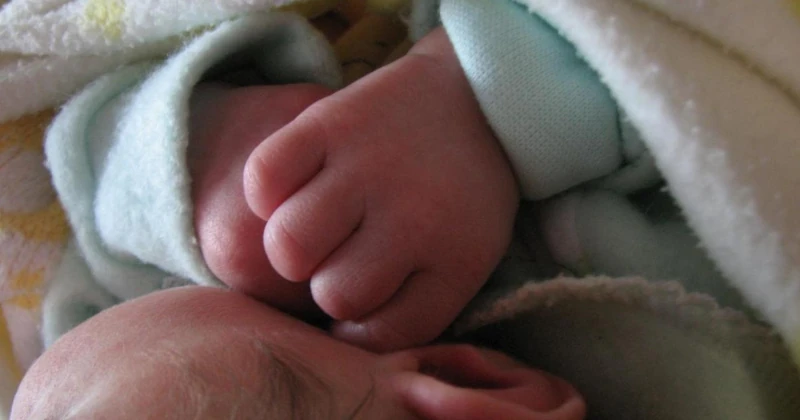
Representative Image

Representative Image

Facebook
Twitter
WhatsAppTelegramEmail

Climate change may pose a significant risk to reproductive health, according to a new, large-scale Curtin University study that found a possible association between high bioclimatic exposure during pregnancy and newborns’ gestational age birthweight.

Researchers from the Curtin School of Population Health examined more than 3,85,000 pregnancies in Western Australia between 2000 and 2015, from 12 weeks prior to conception until birth. These pregnancies included 9.8 per cent and 9.9 per cent of children born too small and large for gestational age, respectively.

The team focused on the relationship between low and high birthweights for gestational age and a person’s outdoor heat or cold (biothermal) stress exposures during pregnancy. To do so, the researchers used the Universal Thermal Climate Index (UTCI), a modern composite biothermal tool that describes a person’s physiological response to the thermal environment.

It’s the first study to use the UTCI to measure bioclimatic exposure before and during pregnancy and the risks of being born too small or large for gestational age.

It found exposure to low and high biothermal stress during specific times in pregnancy appeared to be linked to a higher risk of babies being smaller or larger for their gestational ages at birth.

The average biothermal exposure was between 8.1 and 30.0 degrees Celsius, a range that indicated slight cold stress and moderate heat stress on the UTCI scale.

The study revealed extreme biothermal exposures — 1st percentile (cold stress) and 99th percentile (heat stress), as compared to the median (no thermal stress), seemed to be most associated with changes in birthweight for gestational age.

Study lead Dr Sylvester Dodzi Nyadanu said this was especially true during particular stages of pregnancy.

“A baby’s size at birth is strongly associated with mortality risk during the first year, with developmental problems in childhood and the risk of various diseases in adulthood,” Dr Nyadanu said.
“These findings support our concerns that the risk of having a baby too small or large for its gestational age appears to increase with exposure to environmental conditions that cause biothermal stress in the latter stages of pregnancy.

“We also found other subpopulations were at higher risk of abnormal fetal growth due to exposure to biothermal stress, including non-Caucasian people, male births, pregnancies in those aged 35 and above, those in rural areas, and those who smoked during pregnancy.”

Dr Nyadanu said the study was part of growing evidence of climate change’s threat to reproductive health by exacerbating heat or cold waves, vector-borne diseases, natural disasters such as cyclones, floods, droughts and wildfires, food and water insecurity and altering many natural and social environments which are worsening existing health challenges.

“Thermal stress exposures increase dehydration and induce oxidative stress and systemic inflammatory responses, leading to adverse reproductive and foetal health outcomes,” he said.

“Our research adds to the growing collection of observational studies reporting on maternal exposure to ambient temperature and pregnancy outcomes such as pregnancy complications, preterm birth, stillbirth, and low birth weight.

“There needs to be further studies into what interventions will achieve better results for parents and babies — especially in the specific vulnerable subpopulations identified in our study. “Pregnancy is a vulnerable period for climate change and so any climate care intervention is reproductive health care.”

(with inputs from ANI)

Topics: Healthclimate changeReproductive healthBirthweight
Share
Tweet
SendShareSend
✮ Subscribe Organiser YouTube Channel. ✮
✮ Join Organiser's WhatsApp channel for Nationalist views beyond the news. ✮
Previous News

Manipur Government to review Kuki-Chin Tribe exclusion on recommendation of Union Tribal Ministry

Next News

Kerala: Sabarimala pilgrims outraged over alleged police brutality; two severely injured, authorities under scrutiny

Related News

Nepal’s devastating floods are a stark warning of how climate change, melting Himalayan glaciers are pushing nature to the brink

Nepal floods expose the growing climate crisis as melting himalayan glaciers bear the burden of reckless consumerism

Islamic State wildfire threats emerge as Europe battles devastating fires, climate change debate and mounting pressure on emergency services

Islamic State calls on Muslims to start wildfire Jihad while leftist elites blame climate change for deadly fires

PM POSHAN Model: Serving nutrition, strengthening the nation and the roadmap for inclusive governance

Dr Suresh Hanagavadi conferred with Padmashri

Dr Suresh Hanagavadi: The remarkable journey of a doctor who revolutionised haemophilia care & patient advocacy

Massive wildfire in Washington

Massive Wildfire engulfs Washington: 4.5 lakh acres scorched, thousands evacuated & state emergency declared

Canada Scorched by Intense Heatwaves; Farm workers face rising risk of heatstroke and workplace injuries

Load More

Latest News

Kashmiri Pandits perform a ritual on Balidan Diwas of Kashmiri Pandits, organised by Panun Kashmir in Paloura

Panun Kashmir observes Balidan Diwas in Jammu & Bengaluru, pay homage to martyrs

Tamil Nadu: Emerald Murugan murti stolen from Nadu Palani temple recovered from abandoned quarry, three arrested

Vande Mataram Row: Karnataka Congress govt faces HC challenge over two-stanza restriction

Keralam: Catholic nun claims classical dance learners’ ‘future will be disastrous’, urges them to pray to Jesus Christ

RSS Sarsanghchalak Dr Mohan Bhagwat with Rashtrasant Manojnyacharya Shri Pulak Sagar Ji Mahara

Rajasthan: Dr Bhagwat & Acharya Pulak Ji hold meaningful discussions on social harmony, cow service, dharma & culture

Bikers gather during the protest, with a pig’s head displayed (left); Kaunas Mosque in Lithuania (right).

Pig’s head displayed at Lithuania’s Kaunas Mosque as bikers disrupt Friday prayers amid fresh tensions across Europe

How Bal Gangadhar Tilak Turned Ganesh Chaturthi Into a Nationalist Movement

From Ganesh Utsav to Mass Movement: How Tilak’s ‘Lokmanya’ status faced desperate Communist propaganda

PM Modi’s Tamil Diplomacy: How Thirukkural Is Taking Tamil Wisdom to the World | BRICS 2026

PM Modi’s Tamil Diplomacy: How Thirukkural Is Taking Tamil Wisdom to the World | BRICS 2026

From ‘Sharadotsav’ to Durga Puja: Tracing the Path of Rishi Bankim Chandra Chattopadhyay

State control of Hindu religious institutions: Time for a new governance framework

Load More
  • Privacy
  • Terms
  • Cookie Policy
  • Refund and Cancellation
  • Delivery and Shipping

© Bharat Prakashan (Delhi) Limited.
Tech-enabled by Ananthapuri Technologies

  • Home
  • Search Organiser
  • Bharat
    • Assam
    • Bihar
    • Chhattisgarh
    • Jharkhand
    • Maharashtra
    • View All States
  • World
    • Asia
    • Africa
    • North America
    • South America
    • Europe
    • Australia
  • Editorial
  • Operation Sindoor
  • Opinion
  • Analysis
  • Defence
  • Culture
  • Sports
  • Business
  • RSS @ 100
  • Entertainment
  • More ..
    • Sci & Tech
    • Vocal4Local
    • Special Report
    • Education
    • Employment
    • Books
    • Interviews
    • Travel
    • Health
    • Politics
    • Law
    • Economy
    • Obituary
  • Subscribe Magazine
  • Read Ecopy
  • Advertise
  • Circulation
  • Careers
  • About Us
  • Contact Us
  • Policies & Terms
    • Privacy Policy
    • Cookie Policy
    • Refund and Cancellation
    • Terms of Use

© Bharat Prakashan (Delhi) Limited.
Tech-enabled by Ananthapuri Technologies