
Uniform Civil Code: A step towards equality and human integration
June 16, 2026
  • Read Ecopy
  • Circulation
  • Advertise
  • Careers
  • About Us
  • Contact Us
Android AppiPhone AppArattai
Organiser
  • ‌
  • Bharat
    • Assam
    • Bihar
    • Chhattisgarh
    • Jharkhand
    • Maharashtra
    • View All States
  • World
    • Asia
    • Europe
    • North America
    • South America
    • Africa
    • Australia
  • Editorial
  • International
  • Opinion
  • RSS @ 100
  • More
    • Op Sindoor
    • Analysis
    • Sports
    • Defence
    • Politics
    • Business
    • Economy
    • Culture
    • Special Report
    • Sci & Tech
    • Entertainment
    • G20
    • Azadi Ka Amrit Mahotsav
    • Vocal4Local
    • Web Stories
    • Education
    • Employment
    • Books
    • Interviews
    • Travel
    • Law
    • Health
    • Obituary
  • Subscribe
    • Subscribe Print Edition
    • Subscribe Ecopy
    • Read Ecopy
  • ‌
  • Bharat
    • Assam
    • Bihar
    • Chhattisgarh
    • Jharkhand
    • Maharashtra
    • View All States
  • World
    • Asia
    • Europe
    • North America
    • South America
    • Africa
    • Australia
  • Editorial
  • International
  • Opinion
  • RSS @ 100
  • More
    • Op Sindoor
    • Analysis
    • Sports
    • Defence
    • Politics
    • Business
    • Economy
    • Culture
    • Special Report
    • Sci & Tech
    • Entertainment
    • G20
    • Azadi Ka Amrit Mahotsav
    • Vocal4Local
    • Web Stories
    • Education
    • Employment
    • Books
    • Interviews
    • Travel
    • Law
    • Health
    • Obituary
  • Subscribe
    • Subscribe Print Edition
    • Subscribe Ecopy
    • Read Ecopy
Organiser
  • Home
  • Bharat
  • World
  • Operation Sindoor
  • Editorial
  • Analysis
  • Opinion
  • Culture
  • Defence
  • International Edition
  • RSS @ 100
  • Magazine
  • Read Ecopy
Home Bharat

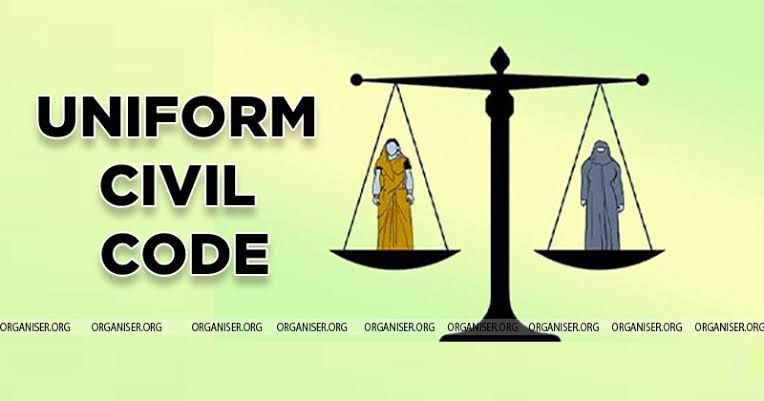
Uniform Civil Code: A step towards equality and human integration

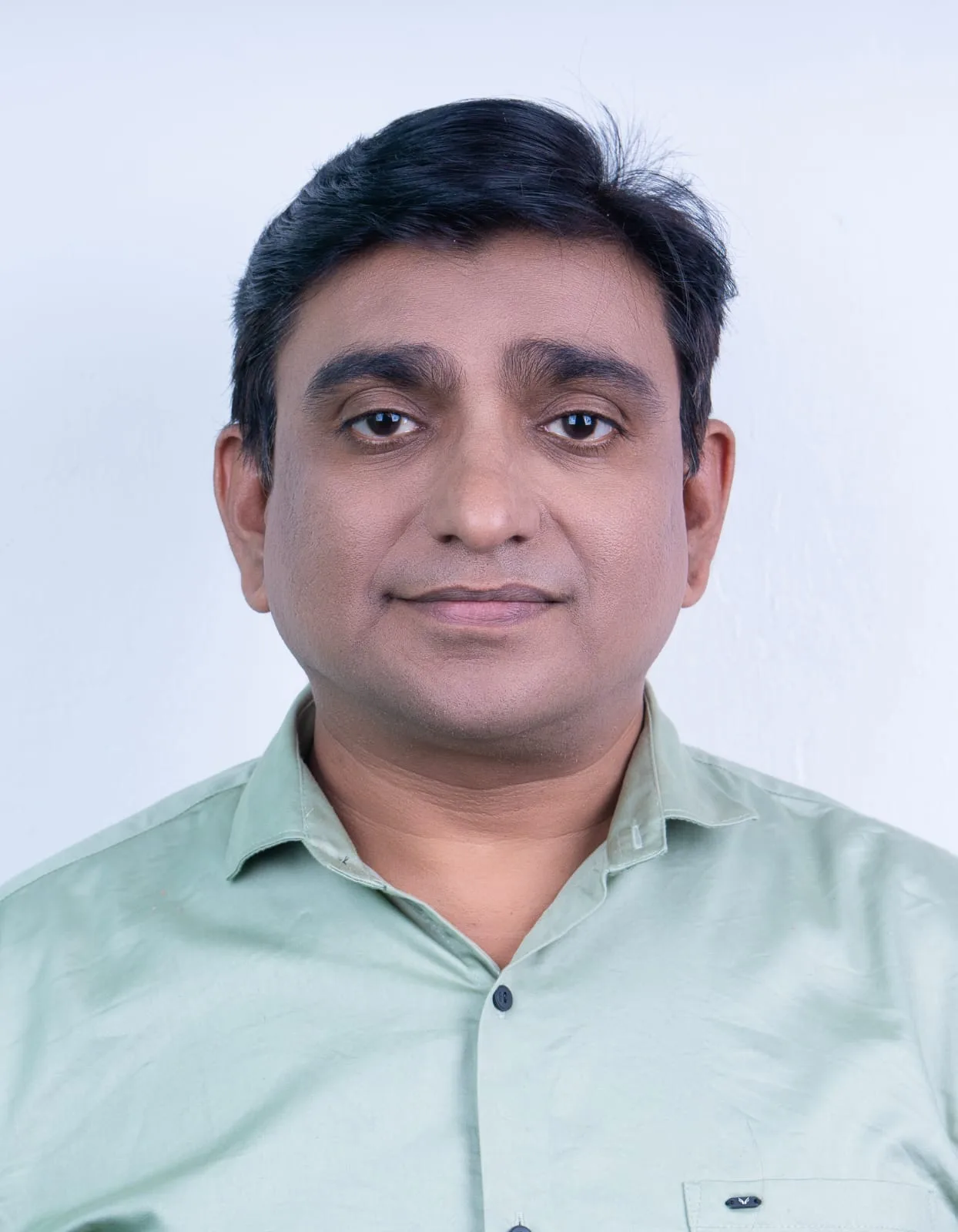
Dr Pankaj Jagannath JayswalDr Pankaj Jagannath Jayswal
Jul 9, 2023, 11:00 am IST
in Bharat
Follow on Google News
FacebookTwitterWhatsAppTelegramEmail

The 22nd Law Commission of India invited new recommendations on the Uniform Civil Code (UCC) from various stakeholders, including public and religious organisations, recently. Because the last law commission’s consultation document on the subject was more than three years old, the panel requested recommendations. In areas such as marriage, divorce, inheritance, maintenance, and adoption, the UCC calls for the formation of a single law for nation that would apply to all faith communities.

The major Muslim organisation Jamiat Ulema-e-Hind declared on July 3, that the Uniform Civil Code breaches the constitutionally given religious freedom, but that it will not take to the streets to protest, instead oppose it through all legal means.

The theological perspective expressed is sad, but it is not new when discussing UCC; it was opposed already in 1946. Independent India established the Constituent Assembly in 1946 to draft our Constitution, which included two types of members: those who wanted to reform society by adopting the Uniform Civil Code, such as Dr. B. R. Ambedkar, and others who were primarily Muslim representatives who upheld personal laws. Furthermore, minority groups in the Constituent Assembly fought against advocates of the Uniform Civil Code.

As a result, the Constitution gains only one line from Article 44 of Part IV of the DPSP (Directive Principles of State Policy).

According to Swami Vivekananda, three things are necessary to make every man great, every nation great and that is we should have conviction in the powers of goodness, the absence of jealousy and suspicion and helping all those who are trying to be and do good.

As Indians, we hope that Muslim organisations do not encourage unrest, keeping in mind that nothing is more vital than a united nation and equal rights for all. Isn’t it true that any conduct that violates national spirit demonstrates what Doctor Babasaheb Ambedkar wrote in his book “Pakistan or the Partition of India”? Humanity should come first, before any sect.

Mohd Ahmed Khan vs Shah Bano Begum (1985) case

Shah Bano (73) was divorced by her husband by triple talaq and denied maintenance. Following her divorce from her husband, she petitioned the court for maintenance for herself and her five children. The Supreme Court found in her favor under the All India Criminal Code’s “maintenance of wives, children, and parents” provision (Section 125), which applied to all citizens, regardless of religion. It also suggested that a standard civil code be established. Following this, Bano’s husband filed an appeal with the Supreme Court, claiming that he had met all of his Islamic law requirements. Following the court’s decision, there were countrywide protests and agitations. Under duress, the then-government passed the Muslim Women’s (Right to Divorce Protection) Act (MWA) in 1986, rendering Section 125 of the Criminal Procedure Code inapplicable to Muslim women. Is it right?

UCC applies to everyone, regardless of religion. Consider the situation of a woman who has been threatened and continually worried by her husband about having a second, third, or fourth marriage. The entire life is under undue stress, which has a negative impact on health in the majority of situations. Can we call ourselves humans? Isn’t it a lifetime of mental torture? Civility, equality, integrity, and humanity require uniform civil laws based on the constitution.

The distinction between civil and criminal legislation

While criminal laws in India are uniform and apply equally to all citizens, regardless of religious views, civil laws are impacted by faith. Personal laws that come into effect in civil disputes have always been implemented in accordance with constitutional standards, despite being influenced by religious sources.

What effect will the Uniform Civil Code have?

The UCC attempts to safeguard disadvantaged groups, including as women and religious minorities, as envisioned by Doctor Babasaheb Ambedkar, while simultaneously boosting nationalistic ardour via unity. When enacted, the code will attempt to streamline laws that are currently divided based on religious views, such as the Hindu code bill, Shariat law, and others. The code will make the complex laws surrounding marriage ceremonies, inheritance, succession, and adoptions one for everyone. The same civil law will then apply to all citizens, regardless of faith.

Benefits of a Uniform Civil Code

If a Common Civil Code is enacted and enforced, it will help and accelerate national integration. it will avoid overlapping legal provisions. it will reduce litigation due to personal law. it will reawaken a sense of oneness and the national spirit and it will emerge with new force and power to face any odds, eventually defeating communal and divisionist forces.

It encourages true secularism.

In India, we currently have selective secularism, which implies that we are secular in some sectors but not in others. A uniform civil code means that all Indian citizens, whether Hindus, Muslims, Christians, or Sikhs, must follow the same rules. This seems reasonable and secular. A consistent civil law does not impede people’s ability to practice their religion; it just implies that everyone is treated the same. That is true secularism.

It is our responsibility as citizens of this wonderful nation to assist in the implementation of this vital law, regardless of faith, by sending an e-mail or other ways provided by the Government.


Topics: Muslim organisationMuslimsUniform Civil CodeUCCequalityJamiat-ulema-e-Hind.Religious freedomHuman Itegration
Share5TweetSendShareSend
✮ Subscribe Organiser YouTube Channel. ✮
✮ Join Organiser's WhatsApp channel for Nationalist views beyond the news. ✮
Previous News

Rajnath Singh to visit Malaysia to consolidate defence ties, enhance strategic ties

Next News

Canada: Indian community waves Tricolour outside Consulate countering pro-Khalistani protesters

Related News

New York anti-Hindu Bill fails to advance: How the bill fueled bias & espoused caste discrimination

The Uniform Civil Code debate in Assam has reignited questions around equality, cultural identity and constitutional reform in India

Equality Without Assimilation: Why Assam’s UCC debate goes beyond legal uniformity

Assam CM Himanta Biswa Sarma

Assam Passes UCC: Congress party’s proposed amendment over second wife rejected

New Delhi, May 24 (ANI): Union Home Minister Amit Shah speaks during Janjatiya Sanskriti Samagam, at Red Fort, in New Delhi on Sunday. (ANI Photo/Naveen Sharma)

Janjati Sanskritik Samagam | “No need to fear UCC”: Amit Shah reassures tribals, pre-empts conspiracy narrative

UCC Bill 2026 tabled in Assam Assembly

Assam Govt introduces UCC in assembly: Bill aims to curb polygamy, requires registration of all live-in relationship

Chairman of the Islamic Centre of India, Maulana Khalid Rasheed Firangi Mahali, has issued a comprehensive 12-point advisory for Bakrid (This is an AI generated image)

Bakrid 2026 Advisory | No cow sacrifice, avoid namaz on road or public places: Islamic Centre’s appeal to Muslims

Load More

Latest News

RSS Sarsanghchalak Dr Mohan Bhagwat in Kerala

RSS Sarsanghchalak Dr Mohan Bhagwat answers on the legal status of Sangh

Supreme Court of India

‘RTI activism has become business’: SC denies anticipatory bail, questions activist’s authority to monitor road project

The Strait of Hormuz is more than an energy corridor. It is a critical artery for global fertiliser trade, making food security an unexpected casualty of geopolitical conflict

From Hormuz to Hunger: How the US-Iran war triggers a global food crisis

TMC's 'Pushpa of Falta' Jahangir Khan paraded in shorts with rope around waist for third time since arrest

Bengal: Falta’s ‘Pushpa’ Jahangir Khan paraded barefoot by police; Seen folding hands, holding ears amid heavy security

TMC Split Deepens: Rebel MPs Merge With NCPI, Ritabrata Banerjee Says 65 Rebel MLAs Will Not Join

TMC Faces Double Split: Rebel MPs merge with NCPI, Ritabrata Banerjee says 65 rebel MLAs will stay separate

TMC MP Kakoli Ghosh Dastidar lodges complaint against Kalyan Banerjee with LS Speaker Om Birla

West Bengal: Rebel TMC MP Kakoli Ghosh seeks expulsion of Kalyan Banerjee from Lok Sabha, alleges misogynistic conduct

ATS exposed Pakistan linked radical terror network, arrests 3 Islamists ( This is an AI Generated image)

Digital Jihad, Social Media, and Foreign Handlers: ATS action exposes dangerous links of a multi-state network

Odisha Chief Minister Mohan Charan Majhi launched the Somnath Yatra

‘A journey of cultural pride and civilizational self-respect’: CM Majhi launches Somnath Swabhiman Yatra-2026

UP to provide Rs 1,500 monthly pension to senior citizens

Uttar Pradesh: CM Yogi Adityanath announces Rs 1500 monthly pension for elderly; Calls for respect and care

Islamists who raped the Hindu woman in Nagpur arrested

Jihadi Mindset Surfaces in Nagpur: Ayyaz Taj, Hazrat Maulana from MP & Amin Shaikh, raped Hindu woman

Load More
  • Privacy
  • Terms
  • Cookie Policy
  • Refund and Cancellation
  • Delivery and Shipping

© Bharat Prakashan (Delhi) Limited.
Tech-enabled by Ananthapuri Technologies

  • Home
  • Search Organiser
  • Bharat
    • Assam
    • Bihar
    • Chhattisgarh
    • Jharkhand
    • Maharashtra
    • View All States
  • World
    • Asia
    • Africa
    • North America
    • South America
    • Europe
    • Australia
  • Editorial
  • Operation Sindoor
  • Opinion
  • Analysis
  • Defence
  • Culture
  • Sports
  • Business
  • RSS @ 100
  • Entertainment
  • More ..
    • Sci & Tech
    • Vocal4Local
    • Special Report
    • Education
    • Employment
    • Books
    • Interviews
    • Travel
    • Health
    • Politics
    • Law
    • Economy
    • Obituary
  • Subscribe Magazine
  • Read Ecopy
  • Advertise
  • Circulation
  • Careers
  • About Us
  • Contact Us
  • Policies & Terms
    • Privacy Policy
    • Cookie Policy
    • Refund and Cancellation
    • Terms of Use

© Bharat Prakashan (Delhi) Limited.
Tech-enabled by Ananthapuri Technologies