Researchers find how liver cells control biological clock
August 28, 2026
  • Read Ecopy
  • Circulation
  • Advertise
  • Careers
  • About Us
  • Contact Us
Android AppiPhone AppArattai
Organiser
  • ‌
  • Bharat
    • Assam
    • Bihar
    • Chhattisgarh
    • Jharkhand
    • Maharashtra
    • View All States
  • World
    • Asia
    • Europe
    • North America
    • South America
    • Africa
    • Australia
  • Editorial
  • International
  • Opinion
  • RSS @ 100
  • More
    • Op Sindoor
    • Analysis
    • Sports
    • Defence
    • Politics
    • Business
    • Economy
    • Culture
    • Special Report
    • Sci & Tech
    • Entertainment
    • G20
    • Azadi Ka Amrit Mahotsav
    • Vocal4Local
    • Web Stories
    • Education
    • Employment
    • Books
    • Interviews
    • Travel
    • Law
    • Health
    • Obituary
  • Subscribe
    • Subscribe Print Edition
    • Subscribe Ecopy
    • Read Ecopy
  • ‌
  • Bharat
    • Assam
    • Bihar
    • Chhattisgarh
    • Jharkhand
    • Maharashtra
    • View All States
  • World
    • Asia
    • Europe
    • North America
    • South America
    • Africa
    • Australia
  • Editorial
  • International
  • Opinion
  • RSS @ 100
  • More
    • Op Sindoor
    • Analysis
    • Sports
    • Defence
    • Politics
    • Business
    • Economy
    • Culture
    • Special Report
    • Sci & Tech
    • Entertainment
    • G20
    • Azadi Ka Amrit Mahotsav
    • Vocal4Local
    • Web Stories
    • Education
    • Employment
    • Books
    • Interviews
    • Travel
    • Law
    • Health
    • Obituary
  • Subscribe
    • Subscribe Print Edition
    • Subscribe Ecopy
    • Read Ecopy
Organiser
  • Home
  • Bharat
  • World
  • Operation Sindoor
  • Editorial
  • Analysis
  • Opinion
  • Culture
  • Defence
  • International Edition
  • RSS @ 100
  • Magazine
  • Read Ecopy
Home World

Researchers find how liver cells control biological clock

University of Queensland-led research has revealed liver cells influence the body's internal circadian clock, which was previously believed to be solely controlled by the brain

WEBDESKWEBDESK
May 18, 2023, 11:00 pm IST
inWorld, Health
Follow on Google News
Facebook
Twitter
WhatsAppTelegramEmail

To control their activity according to the time of day, organisms rely on a biological clock known as the ‘circadian’ clock. A central clock, made up of a collection of brain cells known as suprachiasmatic nuclei (SCN), synchronises the circadian clocks found in all of the body’s organs, known as ‘peripheral’ clocks. Until today, it was considered that synchronisation of the circadian cycle in mammals was a one-way process in which the suprachiasmatic nuclei alone synchronised the peripheral clocks.

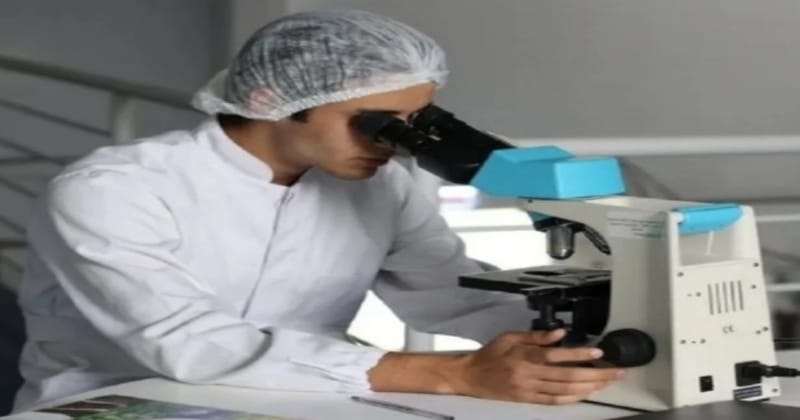
However, researchers from CNRS, Universite Paris Cite1, and the University of Queensland have recently demonstrated that the liver regulates peripheral clocks as part of a collaborative EU effort. Teams tested a chimeric mouse model with a liver containing human hepatocytes and discovered that the normally nocturnal animals’ daily cycle had advanced by two hours.

The mice became active and began feeding two hours before nightfall, thus becoming partly diurnal. The researchers believe this shift comes from the mice’s central clock being taken over by the human liver cells in this chimeric animal model. These cells can thus affect the entire rhythmic physiology of the animals, including the clocks of the peripheral organs.

Findings suggested that a change in liver clock — for example in pathological condition such as cirrhosis — could affect the synchronisation function of the central clock. This in turn could affect the entire circadian physiology, including the sleep/wake cycle, and contribute to the development of metabolic disease.

It also suggests that restoring disrupted liver biological rhythm could benefit the entire body metabolism.

The hormonal and nervous mechanisms driving this dialogue between the brain, liver and biological clock remain to be identified.

(with inputs from ANI)


Topics: Circadian clockBiological clockCellular regulationHuman physiologyPeripheral organsLiverBrain cells
Share1
Tweet
SendShareSend
✮ Subscribe Organiser YouTube Channel. ✮
✮ Join Organiser's WhatsApp channel for Nationalist views beyond the news. ✮
Previous News

Raja Khan marries a Sikh woman, converted her to Islam; tried circumcising son, when refused gave Triple Talaq

Next News

Internationalisation of Rupee: Bolstering Bharatiya Currency

Related News

Representative image

Researchers discovered the brain cells that regulate eating

Representative image

Researchers discover potential new treatment for liver fibrosis

Representative image

Researchers reveals ways of preventing cancer cells from colonising liver

Load More

Latest News

Three booked after Parel clash following Eid procession, police launch manhunt

Mumbai Parel clash after Eid procession: Rehan Masood Sayyad, Adil Khan, Miraj Rais booked; Police launch manhunt

Nepal Floods: Is Disaster Becoming ‘Mission Ground’ For Evangelicals? (Image: Social Media)

Nepal floods leave hundreds dead and missing: Why are evangelical groups calling the disaster a ‘Mission Field’?

Gym trainer accused of murder of a Delhi model was shot in Legs by Delhi police in an encounter

Delhi model Muskan murder: Gym trainer Imran shot in both legs during police encounter, arrested

Calcutta High Court

Calcutta HC denies immediate relief to TMC over frozen bank accounts; Special officer to oversee expenses

Model Muskan (L) and accused Imran (R)

Gym Jihad in Delhi? Model Muskan stabbed to death at home; Gym trainer Imran named accused

Keralam: Ayyappa Seva Samajam leader files complaint against Sunny Kapikkad over Sabarimala remarks

Leftists Vs Rabindranath & Rakshabandhan: Red sickle strike of fraternity

Raksha Bandhan: From Sibling Bond to RSS Message of Social Harmony

Raksha Bandhan and ‘Samajik Samrasta’: The RSS’ message of social unity

RSS Sarsanghchalak Dr Mohan Bhagwat in New York

Dr Mohan Bhagwat in New York: The rise of confident Hindu America

Representative Image

World Sanskrit Day: Why Sanskrit is key to reconnecting Bharat to its civilisational roots

Load More
  • Privacy
  • Terms
  • Cookie Policy
  • Refund and Cancellation
  • Delivery and Shipping

© Bharat Prakashan (Delhi) Limited.
Tech-enabled by Ananthapuri Technologies

  • Home
  • Search Organiser
  • Bharat
    • Assam
    • Bihar
    • Chhattisgarh
    • Jharkhand
    • Maharashtra
    • View All States
  • World
    • Asia
    • Africa
    • North America
    • South America
    • Europe
    • Australia
  • Editorial
  • Operation Sindoor
  • Opinion
  • Analysis
  • Defence
  • Culture
  • Sports
  • Business
  • RSS @ 100
  • Entertainment
  • More ..
    • Sci & Tech
    • Vocal4Local
    • Special Report
    • Education
    • Employment
    • Books
    • Interviews
    • Travel
    • Health
    • Politics
    • Law
    • Economy
    • Obituary
  • Subscribe Magazine
  • Read Ecopy
  • Advertise
  • Circulation
  • Careers
  • About Us
  • Contact Us
  • Policies & Terms
    • Privacy Policy
    • Cookie Policy
    • Refund and Cancellation
    • Terms of Use

© Bharat Prakashan (Delhi) Limited.
Tech-enabled by Ananthapuri Technologies