Study establishes the relevance of traditional knowledge for agricultural sustainability
June 5, 2026
  • Read Ecopy
  • Circulation
  • Advertise
  • Careers
  • About Us
  • Contact Us
Android AppiPhone AppArattai
Organiser
  • ‌
  • Bharat
    • Assam
    • Bihar
    • Chhattisgarh
    • Jharkhand
    • Maharashtra
    • View All States
  • World
    • Asia
    • Europe
    • North America
    • South America
    • Africa
    • Australia
  • Editorial
  • International
  • Opinion
  • RSS @ 100
  • More
    • Op Sindoor
    • Analysis
    • Sports
    • Defence
    • Politics
    • Business
    • Economy
    • Culture
    • Special Report
    • Sci & Tech
    • Entertainment
    • G20
    • Azadi Ka Amrit Mahotsav
    • Vocal4Local
    • Web Stories
    • Education
    • Employment
    • Books
    • Interviews
    • Travel
    • Law
    • Health
    • Obituary
  • Subscribe
    • Subscribe Print Edition
    • Subscribe Ecopy
    • Read Ecopy
  • ‌
  • Bharat
    • Assam
    • Bihar
    • Chhattisgarh
    • Jharkhand
    • Maharashtra
    • View All States
  • World
    • Asia
    • Europe
    • North America
    • South America
    • Africa
    • Australia
  • Editorial
  • International
  • Opinion
  • RSS @ 100
  • More
    • Op Sindoor
    • Analysis
    • Sports
    • Defence
    • Politics
    • Business
    • Economy
    • Culture
    • Special Report
    • Sci & Tech
    • Entertainment
    • G20
    • Azadi Ka Amrit Mahotsav
    • Vocal4Local
    • Web Stories
    • Education
    • Employment
    • Books
    • Interviews
    • Travel
    • Law
    • Health
    • Obituary
  • Subscribe
    • Subscribe Print Edition
    • Subscribe Ecopy
    • Read Ecopy
Organiser
  • Home
  • Bharat
  • World
  • Operation Sindoor
  • Editorial
  • Analysis
  • Opinion
  • Culture
  • Defence
  • International Edition
  • RSS @ 100
  • Magazine
  • Read Ecopy
Home Bharat

Study establishes the relevance of traditional knowledge for agricultural sustainability

WEBDESKWEBDESK
Sep 9, 2021, 12:55 pm IST
in Bharat
Follow on Google News
FacebookTwitterWhatsAppTelegramEmail
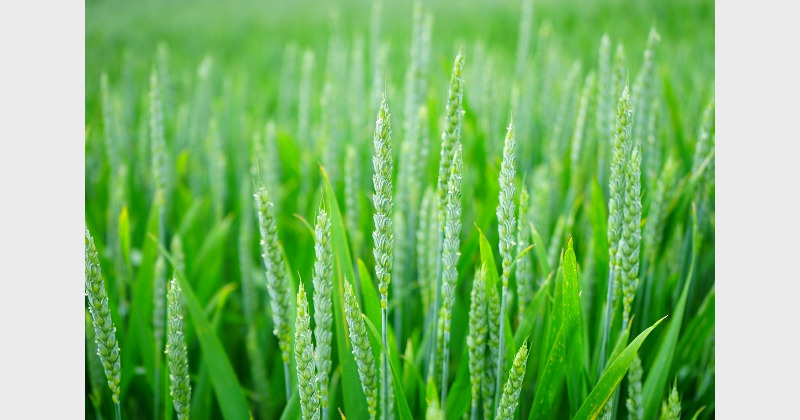
The traditional knowledge system-based farm used farmyard compost (FYC) as a basal dose before sowing and ‘Jivamrit S’, a fermented concoction consisting of cow urine and cow dung jaggery, gram flour, and soil.


New Delhi: Crop nutrients determine the nutritional content and vigour of crops. The deficiency or occurrence below the minimum level of any of the nutrients is often seen as a cause of poor growth or complete crop failure.

A study has found that farm practice based on traditional knowledge was better than chemical-intensive systems in altering and modifying the nutrient dynamics of the soil with respect to Nitrogen (N), Phosphorus (P), Potassium (K), Sulphur (S), Calcium (Ca), and Magnesium (Mg) levels on a long term basis.

It was conducted in Kachchh in Western India, a typical representative of allied arid and semi-arid tropics prone to various natural threats and stressors like drought, salinity, and erratic rainfall pattern.

Seasonal amendment data showed that the traditional knowledge-based systems were efficient in the accrual of soil organic carbon (SOC) over seasons, while their impacts with regards to the major primary (N, P, K) and secondary (S, Ca, Mg) nutrients were at par with or higher than integrated chemical-intensive systems. The traditional knowledge-based amendments were found to ensure proper and timely management of nutrients in the soil.

The comparative study was conducted by analysing soils on ten fields for the crop's pre, mid, and post-harvest phases in six cropping seasons spread across four years. For avoiding site variability, the ten fields that were based on the traditional knowledge system were located on one farm and the ten fields that were based on chemical-intensive systems were located on another farm.

The traditional knowledge system-based farm used farmyard compost (FYC) as a basal dose before sowing and ‘Jivamrit S’, a fermented concoction consisting of cow urine and cow dung jaggery, gram flour, and soil. The concoction was prepared onsite in composting pits and was applied with watering twice, at a seven and fourteen-day interval from sowing.

The study was conducted by researchers from the Department of Earth and Environmental Science, KSKV Kachchh University, and Blue Bay Coastal Research Foundation, Chennai, India. The team consisted of Seema B. Sharma, G.A.Thivakaran, and Mahesh G.Thakkar. They have published a report on their work in the journal, `Scientific Reports’.

Speaking to India Science Wire, Dr. Sharma, who was the team leader, noted, “The world population is expected to be 9.7 billion by 2050. This increased population pressure would demand an increased food production. However, the most important entity in agricultural production-the arable land is limited and its expansion beyond a certain threshold is not possible. Meeting the demands of the growing population would require an increased yield from present arable land. However, this increase in yield has to ensure that it was based on sound soil nutrient management, in a way that a self-reliant system is developed that maintains soil fertility in the long run.”
 

Courtesy: India Science Wire

ShareTweetSendShareSend
✮ Subscribe Organiser YouTube Channel. ✮
✮ Join Organiser's WhatsApp channel for Nationalist views beyond the news. ✮
Previous News

Poet-diplomat Abhay K’s translation of Kalidasa’s ‘Meghaduta’, ‘Ritusamhara’ wins KLF Poetry Book of the Year Award 2020-21

Next News

Kerala: Indian Union Muslim League dissolves its women’s wing Haritha committee over ‘indiscipline’

Related News

Union Home Minister Amit Shah addressing BSF personnel at the Lankamura Border Outpost along the India-Bangladesh border in West Tripura district on June 5, 2026

Amit Shah at Bangladesh Border: “India will have an impregnable security grid soon”

India slams Pakistan’s bid to hold elections in Gilgit-Baltistan, demands end to illegal occupation

Maharashtra government approves central wage structure for Pune Metro Contract Workers; Major victory for BMS

India seals robust 7.7% GDP Growth in FY26: Reflects economic resilience amid West Asia crisis & other global headwinds

A representative image

After TCS, Corporate Jihad allegations reach SBI: Married Hindu employee conversion claims trigger FIR in Mumbai

MEA spokesperson Randhir Jaiswal highlights India's resolve to deport illegal Bangladeshi migrants via bilateral mechanisms

India reiterates strong resolve to deport illegal Bangladeshis; Flags delay of bilateral procedures from Dhaka

Load More

Latest News

Union Home Minister Amit Shah addressing BSF personnel at the Lankamura Border Outpost along the India-Bangladesh border in West Tripura district on June 5, 2026

Amit Shah at Bangladesh Border: “India will have an impregnable security grid soon”

India slams Pakistan’s bid to hold elections in Gilgit-Baltistan, demands end to illegal occupation

Maharashtra government approves central wage structure for Pune Metro Contract Workers; Major victory for BMS

India seals robust 7.7% GDP Growth in FY26: Reflects economic resilience amid West Asia crisis & other global headwinds

A representative image

After TCS, Corporate Jihad allegations reach SBI: Married Hindu employee conversion claims trigger FIR in Mumbai

MEA spokesperson Randhir Jaiswal highlights India's resolve to deport illegal Bangladeshi migrants via bilateral mechanisms

India reiterates strong resolve to deport illegal Bangladeshis; Flags delay of bilateral procedures from Dhaka

Kerala HC rejects CMRL appeal, clears way for ED probe against Pinarayi Vijayan’s daughter in money laundering case

Uttar Pradesh leads in Bharat's green transformation

World Environment Day 2026: On his birthday, Yogi Adityanath’s green vision powers Uttar Pradesh’s transformation

As Khalistani networks seek new platforms beyond the West, Azerbaijan has emerged as a key venue for conferences, campaigns and narratives aligned with the Pakistan-Turkey axis against India.

Khalistan’s New Grazing Ground: Azerbaijan emerges as new hub for Turkey-Pakistan backed anti-India networks

Kochi IPL Mystery: Why Did Sunanda Pushkar Surrender Stake Amid Benami Claims Tied to Shashi Tharoor, Sonia Gandhi?

Kochi IPL Mystery: Why Did Sunanda Pushkar Surrender Stake Amid Benami Claims Tied to Shashi Tharoor, Sonia Gandhi?

Load More
  • Privacy
  • Terms
  • Cookie Policy
  • Refund and Cancellation
  • Delivery and Shipping

© Bharat Prakashan (Delhi) Limited.
Tech-enabled by Ananthapuri Technologies

  • Home
  • Search Organiser
  • Bharat
    • Assam
    • Bihar
    • Chhattisgarh
    • Jharkhand
    • Maharashtra
    • View All States
  • World
    • Asia
    • Africa
    • North America
    • South America
    • Europe
    • Australia
  • Editorial
  • Operation Sindoor
  • Opinion
  • Analysis
  • Defence
  • Culture
  • Sports
  • Business
  • RSS @ 100
  • Entertainment
  • More ..
    • Sci & Tech
    • Vocal4Local
    • Special Report
    • Education
    • Employment
    • Books
    • Interviews
    • Travel
    • Health
    • Politics
    • Law
    • Economy
    • Obituary
  • Subscribe Magazine
  • Read Ecopy
  • Advertise
  • Circulation
  • Careers
  • About Us
  • Contact Us
  • Policies & Terms
    • Privacy Policy
    • Cookie Policy
    • Refund and Cancellation
    • Terms of Use

© Bharat Prakashan (Delhi) Limited.
Tech-enabled by Ananthapuri Technologies