The ancient cross-cultural connections
August 25, 2026
  • Read Ecopy
  • Circulation
  • Advertise
  • Careers
  • About Us
  • Contact Us
Android AppiPhone AppArattai
Organiser
  • ‌
  • Bharat
    • Assam
    • Bihar
    • Chhattisgarh
    • Jharkhand
    • Maharashtra
    • View All States
  • World
    • Asia
    • Europe
    • North America
    • South America
    • Africa
    • Australia
  • Editorial
  • International
  • Opinion
  • RSS @ 100
  • More
    • Op Sindoor
    • Analysis
    • Sports
    • Defence
    • Politics
    • Business
    • Economy
    • Culture
    • Special Report
    • Sci & Tech
    • Entertainment
    • G20
    • Azadi Ka Amrit Mahotsav
    • Vocal4Local
    • Web Stories
    • Education
    • Employment
    • Books
    • Interviews
    • Travel
    • Law
    • Health
    • Obituary
  • Subscribe
    • Subscribe Print Edition
    • Subscribe Ecopy
    • Read Ecopy
  • ‌
  • Bharat
    • Assam
    • Bihar
    • Chhattisgarh
    • Jharkhand
    • Maharashtra
    • View All States
  • World
    • Asia
    • Europe
    • North America
    • South America
    • Africa
    • Australia
  • Editorial
  • International
  • Opinion
  • RSS @ 100
  • More
    • Op Sindoor
    • Analysis
    • Sports
    • Defence
    • Politics
    • Business
    • Economy
    • Culture
    • Special Report
    • Sci & Tech
    • Entertainment
    • G20
    • Azadi Ka Amrit Mahotsav
    • Vocal4Local
    • Web Stories
    • Education
    • Employment
    • Books
    • Interviews
    • Travel
    • Law
    • Health
    • Obituary
  • Subscribe
    • Subscribe Print Edition
    • Subscribe Ecopy
    • Read Ecopy
Organiser
  • Home
  • Bharat
  • World
  • Operation Sindoor
  • Editorial
  • Analysis
  • Opinion
  • Culture
  • Defence
  • International Edition
  • RSS @ 100
  • Magazine
  • Read Ecopy
Home General

The ancient cross-cultural connections

Archive ManagerArchive Manager
Aug 31, 2013, 12:00 am IST
inGeneral
Follow on Google News
Facebook
Twitter
WhatsAppTelegramEmail

Understanding Our Neighbours

Aravind Yelery, Shanghai

The Chinese kingdom advanced modestly under Han rulers; it let the kingdom prosper further allowing different schools of thoughts to flourish. This was the first reference of the so-called name Han, which is the major ethnic group in present China. The word ‘Han’ as a name of a Chinese ethnic group has its roots in this time-frame of Chinese history. The religious studies were gaining the much sought after ground during this phase. The imperial rule of China put neither any impediments nor any conditions to the studies of cultural exchanges and spread of it.

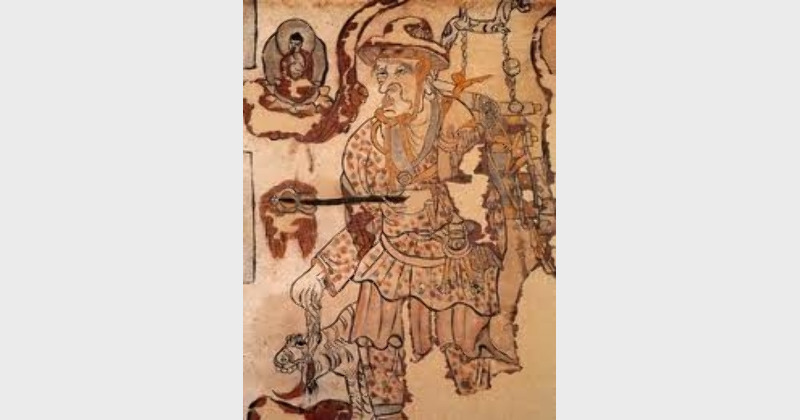
We find a number of splendid books written by Chinese monks about India in this period and it is believed that hundreds of Chinese monks visited India when Buddhism was spreading across India before it entered China and garnered public support. The intensity of these visits varied, but they show how Buddhism found its own footings across Himalayas. Its importance rose as high as Confucianism and even found place in royal as well as common Chinese customs and rituals. Under the Tang rulers especially the King Taizong, Buddhism acted as a medium of cross-cultural connections between India and China. The main purpose of such Chinese monks visiting India was to study the mystic land of India, understand the Buddhist way of living, effects of Buddha’s teachings and gather the accounts of Indian society, their rulers and mythical stories related to Buddha and his spiritual land. These historical visits were certainly the civilisational milestones as they connected the neighbour-ing civilisations spiritually, moreover these memorirs and texts also facilitated political set-ups and social classes to familiarise socio-cultural perceptions on divinity, Dharma (the term used by Chinese monks in their texts) and humanism. These travels stretched from Central Asia – Himalayas to Sri Lanka and further to South East Asia and full circled on the eastern shores of China, such exchanges helped build strong ties among dynasties across Ancient Asia.

Much before Xuanzang started his historical journey to India, a Chinese monk named Faxian, had already taken his arduous journey to India at the end of 4th century (399 AD). Faxian travelled from Xian (Ancient Chinese capital) towards West. He travelled to India through Central Asian Silk Road track, reached India before returning to China via Sri Lanka and South East Asia. Based on his experiences, Faxian wrote a book in Chinese, A record of the Buddhist Kingdoms. His book includes detailed description of Indian way of sophisticated living with pagoda style houses, elegant clothing, and reference to their customs. Faxian also took a number of Buddhist texts along with him which the contemporary Chinese clergies saw as an important asset to strengthen monastic institutions in China and their spread. His travel to India gave the Chinese an impression that India was a civilised society with a code of conduct carried through generations as per living standards. He described the festivities and ceremonies being carried over by different parts of India and those mainly associated with Buddha’s relics. It is believed that the Chinese school of Buddhism in centuries later adopted the similar way of celebrating Buddhist relics and hence established networks with Buddhist monasteries in India and its surroundings. India was a holy place for Chinese monks and they continued visiting India as a part of lifetime pilgrimage. Though very few records elaborate but it is believed that many Chinese monks did not return to China and preferred to stay back in monasteries.

(The writer is a Corporate Consultant Sanghai ji Ou, Sanghai/Delhi)
Share
Tweet
SendShareSend
✮ Subscribe Organiser YouTube Channel. ✮
✮ Join Organiser's WhatsApp channel for Nationalist views beyond the news. ✮
Previous News

Temples of Chhattisgarh

Next News

Antony Skips the ADMM meeting

Related News

Representative Image

Balochistan: Five Punjabi labourers shot dead, another seriously injured; targeted non-Baloch becoming more frequent

China’s latest CCDI meeting exposes growing uncertainty within the Communist Party’s military hierarchy, with key disciplinary officials missing as senior personnel changes accelerate.

China’s Internal Power Struggle Deepens: 60 per cent of military watchdogs miss key CCDI meeting

(Left) VHP National President Vinod Bansal (Right) Congress Leader Rahul Gandhi

‘Why target only Hindu texts?’ VHP challenges Rahul Gandhi over Manusmriti remarks

ISSP-linked Lakurawa jihadists

Nigeria: ISSP-linked Lakurawa jihadists kill, kidnap Muslims in a mosque over failure to follow Islamic teachings

Russian President Vladimir Putin and External Affairs Minister Dr. S. Jaishankar

EAM Jaishankar meets Russian President Putin & briefs bilateral developments; Extends PM Modi’s invite to BRICS Summit

Tamil Nadu Assembly

Tamil Nadu: TVK govt drops Parandur airport project, announces free bus travel and LPG cylinders

Load More

Latest News

Representative Image

Balochistan: Five Punjabi labourers shot dead, another seriously injured; targeted non-Baloch becoming more frequent

China’s latest CCDI meeting exposes growing uncertainty within the Communist Party’s military hierarchy, with key disciplinary officials missing as senior personnel changes accelerate.

China’s Internal Power Struggle Deepens: 60 per cent of military watchdogs miss key CCDI meeting

(Left) VHP National President Vinod Bansal (Right) Congress Leader Rahul Gandhi

‘Why target only Hindu texts?’ VHP challenges Rahul Gandhi over Manusmriti remarks

ISSP-linked Lakurawa jihadists

Nigeria: ISSP-linked Lakurawa jihadists kill, kidnap Muslims in a mosque over failure to follow Islamic teachings

Russian President Vladimir Putin and External Affairs Minister Dr. S. Jaishankar

EAM Jaishankar meets Russian President Putin & briefs bilateral developments; Extends PM Modi’s invite to BRICS Summit

Tamil Nadu Assembly

Tamil Nadu: TVK govt drops Parandur airport project, announces free bus travel and LPG cylinders

From students voice to political instrument?

PM addressing the Nation on the occasion of 80th Independence Day celebrations at Red Fort, in Delhi on August 15, 2026.

80th Independence Day Address of PM Modi: Walking the difficult path confidently

Representative Image

Beyond ‘Gen Z’: Why Bharat must reclaim its younger generation through ‘Samvad’ and ‘Kutumb Prabodhan’

JeM headquarters rebuilt in Bahawalpur, Pakistan

Pakistan: Destroyed in Operation Sindoor, JeM base rebuilt in 15 months; Exposes Islamabad’s eternal terror nexus

Load More
  • Privacy
  • Terms
  • Cookie Policy
  • Refund and Cancellation
  • Delivery and Shipping

© Bharat Prakashan (Delhi) Limited.
Tech-enabled by Ananthapuri Technologies

  • Home
  • Search Organiser
  • Bharat
    • Assam
    • Bihar
    • Chhattisgarh
    • Jharkhand
    • Maharashtra
    • View All States
  • World
    • Asia
    • Africa
    • North America
    • South America
    • Europe
    • Australia
  • Editorial
  • Operation Sindoor
  • Opinion
  • Analysis
  • Defence
  • Culture
  • Sports
  • Business
  • RSS @ 100
  • Entertainment
  • More ..
    • Sci & Tech
    • Vocal4Local
    • Special Report
    • Education
    • Employment
    • Books
    • Interviews
    • Travel
    • Health
    • Politics
    • Law
    • Economy
    • Obituary
  • Subscribe Magazine
  • Read Ecopy
  • Advertise
  • Circulation
  • Careers
  • About Us
  • Contact Us
  • Policies & Terms
    • Privacy Policy
    • Cookie Policy
    • Refund and Cancellation
    • Terms of Use

© Bharat Prakashan (Delhi) Limited.
Tech-enabled by Ananthapuri Technologies