The ancient cross-cultural connections
June 9, 2026
  • Read Ecopy
  • Circulation
  • Advertise
  • Careers
  • About Us
  • Contact Us
Android AppiPhone AppArattai
Organiser
  • ‌
  • Bharat
    • Assam
    • Bihar
    • Chhattisgarh
    • Jharkhand
    • Maharashtra
    • View All States
  • World
    • Asia
    • Europe
    • North America
    • South America
    • Africa
    • Australia
  • Editorial
  • International
  • Opinion
  • RSS @ 100
  • More
    • Op Sindoor
    • Analysis
    • Sports
    • Defence
    • Politics
    • Business
    • Economy
    • Culture
    • Special Report
    • Sci & Tech
    • Entertainment
    • G20
    • Azadi Ka Amrit Mahotsav
    • Vocal4Local
    • Web Stories
    • Education
    • Employment
    • Books
    • Interviews
    • Travel
    • Law
    • Health
    • Obituary
  • Subscribe
    • Subscribe Print Edition
    • Subscribe Ecopy
    • Read Ecopy
  • ‌
  • Bharat
    • Assam
    • Bihar
    • Chhattisgarh
    • Jharkhand
    • Maharashtra
    • View All States
  • World
    • Asia
    • Europe
    • North America
    • South America
    • Africa
    • Australia
  • Editorial
  • International
  • Opinion
  • RSS @ 100
  • More
    • Op Sindoor
    • Analysis
    • Sports
    • Defence
    • Politics
    • Business
    • Economy
    • Culture
    • Special Report
    • Sci & Tech
    • Entertainment
    • G20
    • Azadi Ka Amrit Mahotsav
    • Vocal4Local
    • Web Stories
    • Education
    • Employment
    • Books
    • Interviews
    • Travel
    • Law
    • Health
    • Obituary
  • Subscribe
    • Subscribe Print Edition
    • Subscribe Ecopy
    • Read Ecopy
Organiser
  • Home
  • Bharat
  • World
  • Operation Sindoor
  • Editorial
  • Analysis
  • Opinion
  • Culture
  • Defence
  • International Edition
  • RSS @ 100
  • Magazine
  • Read Ecopy
Home General

The ancient cross-cultural connections

Archive ManagerArchive Manager
Aug 31, 2013, 12:00 am IST
in General
Follow on Google News
FacebookTwitterWhatsAppTelegramEmail

Understanding Our Neighbours

Aravind Yelery, Shanghai

The Chinese kingdom advanced modestly under Han rulers; it let the kingdom prosper further allowing different schools of thoughts to flourish. This was the first reference of the so-called name Han, which is the major ethnic group in present China. The word ‘Han’ as a name of a Chinese ethnic group has its roots in this time-frame of Chinese history. The religious studies were gaining the much sought after ground during this phase. The imperial rule of China put neither any impediments nor any conditions to the studies of cultural exchanges and spread of it.

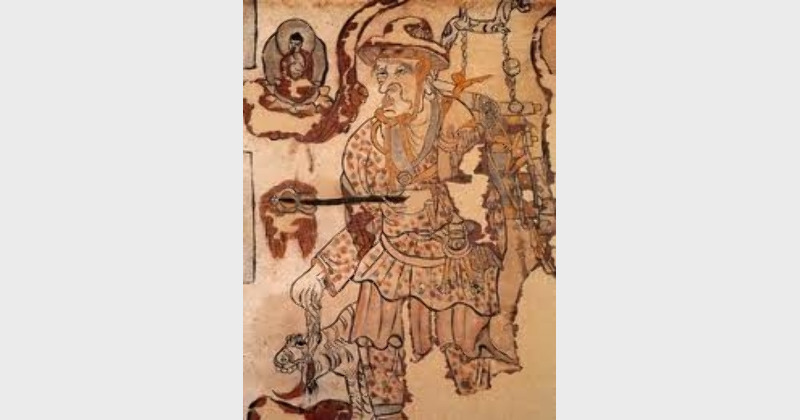
We find a number of splendid books written by Chinese monks about India in this period and it is believed that hundreds of Chinese monks visited India when Buddhism was spreading across India before it entered China and garnered public support. The intensity of these visits varied, but they show how Buddhism found its own footings across Himalayas. Its importance rose as high as Confucianism and even found place in royal as well as common Chinese customs and rituals. Under the Tang rulers especially the King Taizong, Buddhism acted as a medium of cross-cultural connections between India and China. The main purpose of such Chinese monks visiting India was to study the mystic land of India, understand the Buddhist way of living, effects of Buddha’s teachings and gather the accounts of Indian society, their rulers and mythical stories related to Buddha and his spiritual land. These historical visits were certainly the civilisational milestones as they connected the neighbour-ing civilisations spiritually, moreover these memorirs and texts also facilitated political set-ups and social classes to familiarise socio-cultural perceptions on divinity, Dharma (the term used by Chinese monks in their texts) and humanism. These travels stretched from Central Asia – Himalayas to Sri Lanka and further to South East Asia and full circled on the eastern shores of China, such exchanges helped build strong ties among dynasties across Ancient Asia.

Much before Xuanzang started his historical journey to India, a Chinese monk named Faxian, had already taken his arduous journey to India at the end of 4th century (399 AD). Faxian travelled from Xian (Ancient Chinese capital) towards West. He travelled to India through Central Asian Silk Road track, reached India before returning to China via Sri Lanka and South East Asia. Based on his experiences, Faxian wrote a book in Chinese, A record of the Buddhist Kingdoms. His book includes detailed description of Indian way of sophisticated living with pagoda style houses, elegant clothing, and reference to their customs. Faxian also took a number of Buddhist texts along with him which the contemporary Chinese clergies saw as an important asset to strengthen monastic institutions in China and their spread. His travel to India gave the Chinese an impression that India was a civilised society with a code of conduct carried through generations as per living standards. He described the festivities and ceremonies being carried over by different parts of India and those mainly associated with Buddha’s relics. It is believed that the Chinese school of Buddhism in centuries later adopted the similar way of celebrating Buddhist relics and hence established networks with Buddhist monasteries in India and its surroundings. India was a holy place for Chinese monks and they continued visiting India as a part of lifetime pilgrimage. Though very few records elaborate but it is believed that many Chinese monks did not return to China and preferred to stay back in monasteries.

(The writer is a Corporate Consultant Sanghai ji Ou, Sanghai/Delhi)
ShareTweetSendShareSend
✮ Subscribe Organiser YouTube Channel. ✮
✮ Join Organiser's WhatsApp channel for Nationalist views beyond the news. ✮
Previous News

Temples of Chhattisgarh

Next News

Antony Skips the ADMM meeting

Related News

Accused Nida Khan reportedly admits taking victim for religious instruction, teaching Islamic rituals

Nashik TCS Corporate Jihad: ‘I taught her how to do namaz,’ says Nida Khan; victim pressured to observe 30 ramzan roza

Germany: Sri Ganesha temple opens in Berlin: Europe’s largest Hindu Mandir reflects India’s cultural & dharmic spirit

Rajasthn | RSS centenary journey embodies dedication to nation-building: Dr Ramesh Agrawal

Decades of illegal infiltration from Bangladesh have driven profound demographic shifts in Assam, fundamentally altering its religious, linguistic, and political landscape

Unnatural demographic change: The termite threat

The Rs 200-crore MAHA Water Mission seeks to boost water security and democratise research funding in India

From Rigveda to Research Labs: How ANRF’s Rs 200 crore water mission is securing India’s future

(Right) Prakhar Shrivastava, Senior Consulting Editor and Anchor at Delhi Doordarshan Kendra at a Narada Jayanti programme in Guwahati (Left) Prakahar Srivastava addressing the gathering

Narada Jayanti by VSK Assam: “Half-truths more dangerous than lies,” says senior journalist Prakhar Shrivastava

Load More

Latest News

Accused Nida Khan reportedly admits taking victim for religious instruction, teaching Islamic rituals

Nashik TCS Corporate Jihad: ‘I taught her how to do namaz,’ says Nida Khan; victim pressured to observe 30 ramzan roza

Germany: Sri Ganesha temple opens in Berlin: Europe’s largest Hindu Mandir reflects India’s cultural & dharmic spirit

Rajasthn | RSS centenary journey embodies dedication to nation-building: Dr Ramesh Agrawal

Decades of illegal infiltration from Bangladesh have driven profound demographic shifts in Assam, fundamentally altering its religious, linguistic, and political landscape

Unnatural demographic change: The termite threat

The Rs 200-crore MAHA Water Mission seeks to boost water security and democratise research funding in India

From Rigveda to Research Labs: How ANRF’s Rs 200 crore water mission is securing India’s future

(Right) Prakhar Shrivastava, Senior Consulting Editor and Anchor at Delhi Doordarshan Kendra at a Narada Jayanti programme in Guwahati (Left) Prakahar Srivastava addressing the gathering

Narada Jayanti by VSK Assam: “Half-truths more dangerous than lies,” says senior journalist Prakhar Shrivastava

Everest Survivor being taken to the hospital on a stretcher

Everest Survivor ICU Interview: BBC under fire for interviewing Sherpa without family’s consent

Phillipines Earthquake: 7.8 magnitude deadly earthquake leaves 15 dead, 200 injured; Rescue operation underway

Shamli Conversion Case: 'I studied Islam on YouTube,' says Ayush Malik as family alleges grooming

Shamli Conversion Case: ‘I studied Islam on YouTube,’ says Ayush Malik, now Mohammad Ali, as family alleges grooming

RSS functionaries on the stage at samapan samaroh of Sangh Shiksha Varg and Karyakarta Vikas Varg–Pratham at Sambalpur.

Awakening of Lokshakti is essential for building a glorious Bharat: Dr Gopal Prasad Mahapatra

Load More
  • Privacy
  • Terms
  • Cookie Policy
  • Refund and Cancellation
  • Delivery and Shipping

© Bharat Prakashan (Delhi) Limited.
Tech-enabled by Ananthapuri Technologies

  • Home
  • Search Organiser
  • Bharat
    • Assam
    • Bihar
    • Chhattisgarh
    • Jharkhand
    • Maharashtra
    • View All States
  • World
    • Asia
    • Africa
    • North America
    • South America
    • Europe
    • Australia
  • Editorial
  • Operation Sindoor
  • Opinion
  • Analysis
  • Defence
  • Culture
  • Sports
  • Business
  • RSS @ 100
  • Entertainment
  • More ..
    • Sci & Tech
    • Vocal4Local
    • Special Report
    • Education
    • Employment
    • Books
    • Interviews
    • Travel
    • Health
    • Politics
    • Law
    • Economy
    • Obituary
  • Subscribe Magazine
  • Read Ecopy
  • Advertise
  • Circulation
  • Careers
  • About Us
  • Contact Us
  • Policies & Terms
    • Privacy Policy
    • Cookie Policy
    • Refund and Cancellation
    • Terms of Use

© Bharat Prakashan (Delhi) Limited.
Tech-enabled by Ananthapuri Technologies