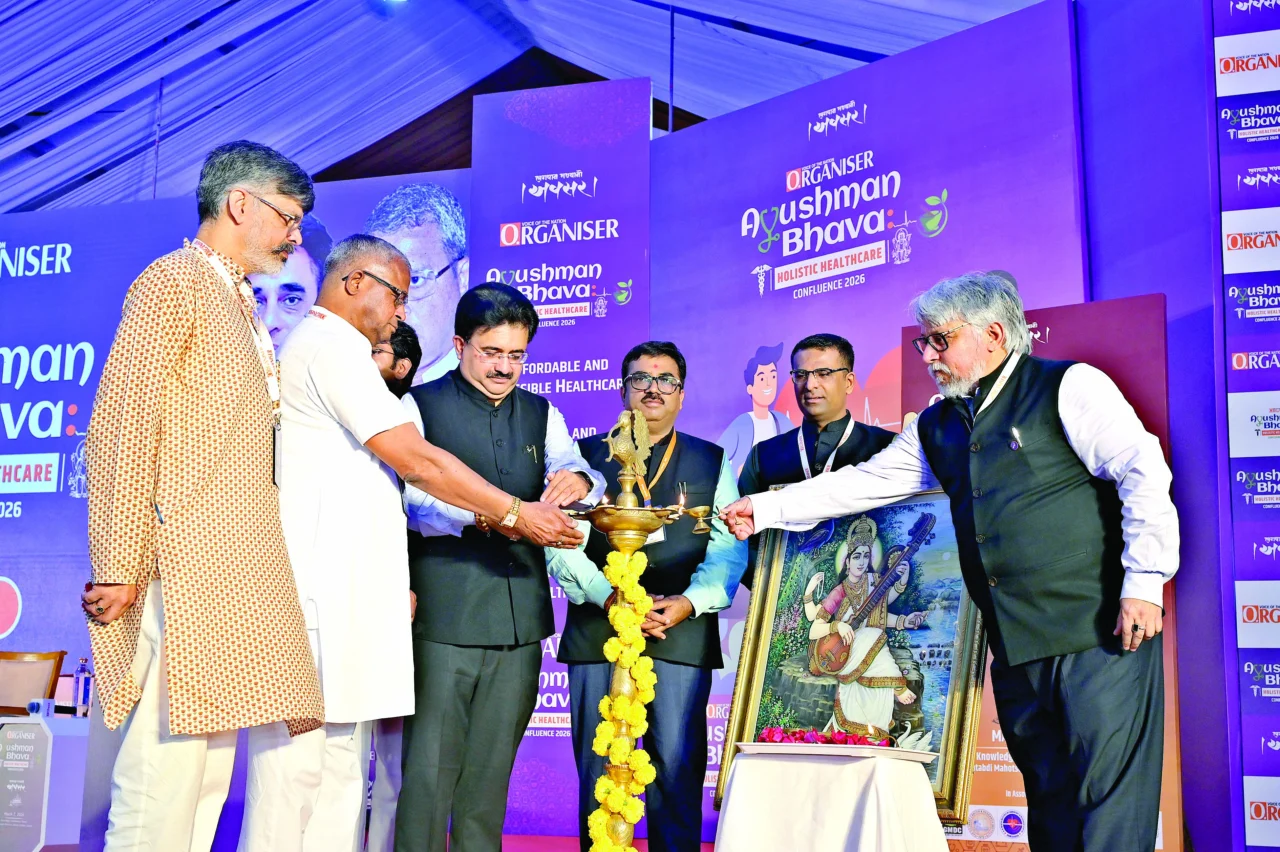
Organised during the bicentenary celebrations of Swaminarayan Mandir, Ayushman Bhava Holistic Healthcare Confluence 2026 was a landmark event which explained how Bharatiyas must strike a balance between good health and nutritional diet. This is necessary to counter undernutrition and lifestyle diseases. In short, how they should invest in maintaining good health and the need to rely on a traditional Indian diet.
On the occasion, Dr Ashok Kumar Varshney, National Organising Secretary, Arogya Bharti, highlighted the importance of preventive health and collaboration between traditional systems and modern medicine at the inaugural session.
The outbreak of COVID-19 changed many perceptions and normalised several preventive practices. It proved that if a person wants to remain healthy, he must work on himself. Prevention must begin with the individual, and by following preventive measures anyone can maintain good health, said Dr Ashok Kumar Varshney, who was keynote speaker at the inaugural session of Ayushman Bhava Holistic Healthcare Confluence 2026 held at Knowledge Conference Dome Dwishatabdi Mahotsav ground, Jetalpur, Gujarat on March 7, 2026.
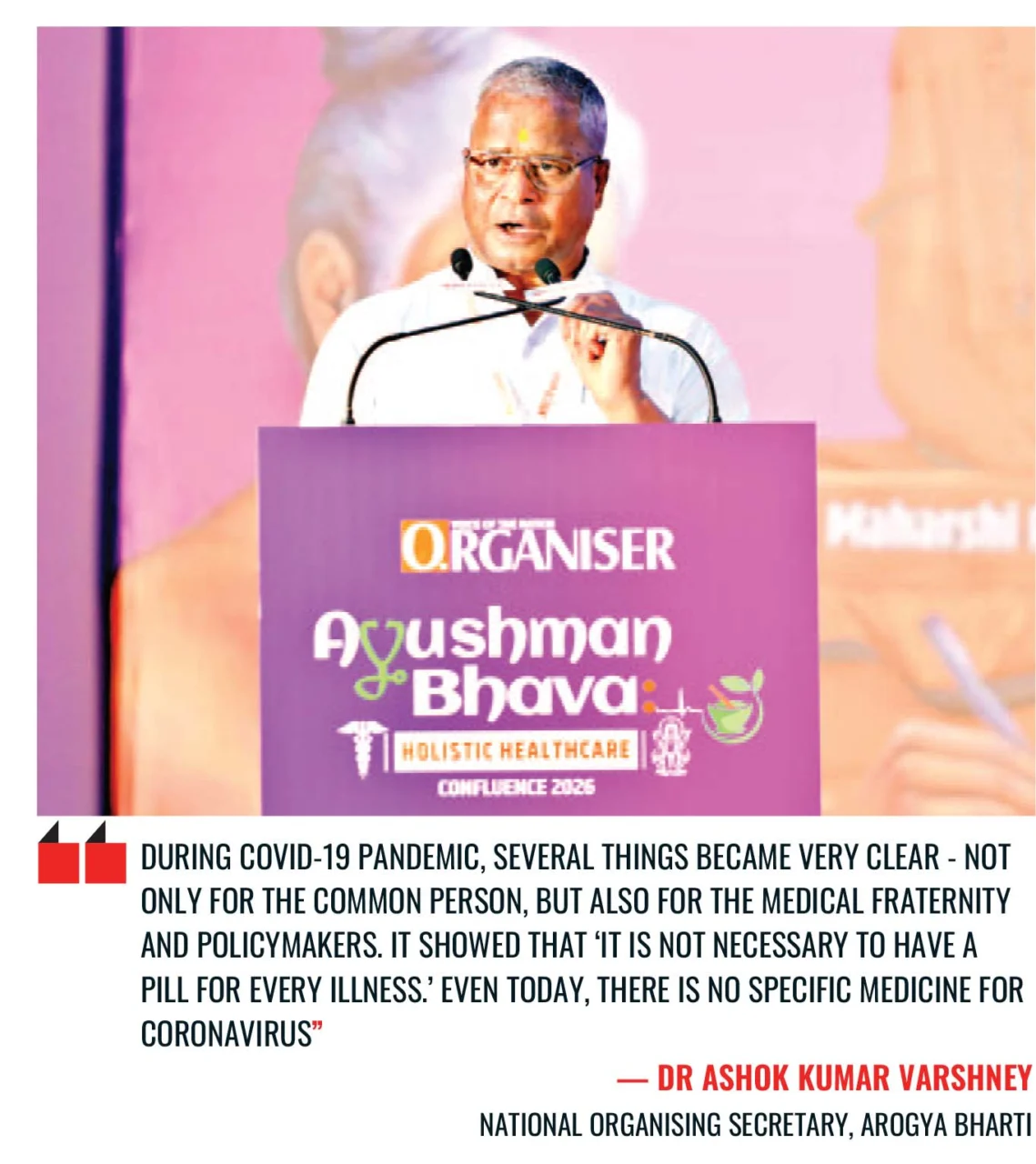
When a student takes admission in the medical field, one thought usually remains in his mind, that he is becoming a Doctor and his primary duty is to treat patients. On the other hand, an ordinary person believes that his job is simply to work hard; if he falls ill, he will go to a Doctor. He rarely thinks about staying healthy in the first place, said Dr Ashok Kumar Varshney.
“During COVID-19 pandemic, several things became very clear – not only for the common person, but also for the medical fraternity and policymakers. It showed that ‘it is not necessary to have a pill for every illness.’ Even today, there is no specific medicine for coronavirus,” added Dr Varshney.
During the pandemic, many webinars were organised on preventive measures, and at that time nearly 65 per cent of the population in the United States was consuming AYUSH herbal decoction (kadha).
According to records of the Government of India, about 89 per cent of people in India were using AYUSH kadha. Around 60 per cent of the population began eating home-cooked food, nearly 70 per cent started drinking lukewarm water, and around 70–80 per cent of people began adopting some form of practice to keep themselves healthy, he informed.
In Bharat, considerable work is being done in the field of healthcare. The number of All India Institute of Medical Sciences institutions (AIIMS) has now increased to 23, and hospitals have been established in almost every district. Along with this, the number of private hospitals has also grown significantly. However, even as hospitals increase, the number of patients is also rising. Work is certainly being done on healthcare infrastructure, but the time has now come to ensure that people do not fall ill in the first place. Unfortunately, even today, basic healthcare facilities are not available in many remote areas, he said.
Today, admissions of most medical students take place through the National Eligibility cum Entrance Test (NEET). Students with higher ranks usually choose MBBS. Those who take admission in Ayurveda often carry an inferiority complex, believing that their marks were lower and that is why they entered this field. However, after the pandemic there has been a noticeable change. Students with higher marks are now also opting for Ayurveda, he said.
An ordinary person generally does not think about maintaining his own health, and because of this the Doctor–population ratio remains a concern. As a result, news often highlights tensions between Doctors and patients, indicating that Doctor–patient relationship is weakening, he further said.
Every medical stream has its own specialty, but each also has certain limitations. At the same time, all healthcare systems can complement one another. There are some aspects that remain common for every medical professional. First is technology, which is equally important for all. Second is ethical values, which every practitioner must follow. Third is awareness of one’s own limitations. When these principles are followed, different medical systems can respect and support each other.
Dr Varshney further said that, across the country, people are searching for ways to accelerate patient recovery. Therefore, healthcare system must become patient-centric. This approach will help determine where Ayurveda should be integrated, where Allopathy or Homeopathy should be applied, and where dietary practices should be modified.
Interdisciplinary activity, a holistic approach, and an integrated health system are distinct concepts in healthcare. Interdisciplinary activity refers to the integration and collaboration between different medical disciplines, such as Allopathy and Ayurveda, in treatment and research. A holistic approach focuses on the entire spectrum of health, ranging from preventive care to curative treatment, emphasising overall well-being rather than only treating disease. An integrated health system refers to the coordinated use of different medical systems, such as Homeopathy and Ayurveda, where treatments are applied according to the specific needs and condition of the patient, he said.
In 2017, workers of Arogya Bharati submitted several suggestions to the Health Secretary. When the National Health Policy was later introduced, many of those suggestions were included in the policy framework.
Today there is a need for medical professionals to understand different healthcare systems at least to some extent. One of the major challenges in this process is terminology, as each medical system uses different technical terms. In Delhi, a conference related to World Health Organisation focused on how to create balance and clarity in terminology across different healthcare systems. The more such discussions take place in society, the better it will be for the development of healthcare. Increasingly, researchers are now studying and exploring these integrative approaches as well, he said.
While delivering the vote of thanks, Himanshu Thakkar, Convenor of Knowledge Swaraj Conference, wholeheartedly welcomed everyone and extended his greetings. “It was a great joy to listen to Ashok Ji. While he was speaking, it felt as if Maharshi Patanjali, Maharshi Sushruta, and Maharshi Charaka, the sages who give us true strength—were standing behind him. It felt as though, dressed in white, he had come as their messenger and conveyed their thoughts to us,” he said.
Notably, Shree Swaminarayan Mandir, Jetalpur, will complete 200 years of its establishment ‘Avasar’ on March 11, 2026. The grand Bicentenary Celebrations are being held from March 5 to 11, 2026, under the chairmanship of His Holiness Pujya Bhavi Acharya 108 Vrajenndra Prasadji Maharajshree, with various religious, social, and cultural programmes.
Holistic & Integrated Healthcare
Bharat’s leading medical experts stressed the need to work closely between divergent medical practitioners in modern medicine as well as those engaged in Ayurveda & Homeopathy. They also highlighted the need to approach healthcare through an integrated framework in which these disciplines work together to offer patients personalised treatment, while encouraging a healthier and more holistic lifestyle.
Bharat no longer sees any single system of medicine as the only answer to patients’ needs. While modern medicine focuses on diagnosing and treating disease, Ayurveda and Homeopathy place greater emphasis on prevention and maintaining overall health.
Synergy between Medical Systems
The idea of “synergy” between medical systems is now gaining attention among practitioners, researchers and policymakers seeking a more comprehensive healthcare model for the future.
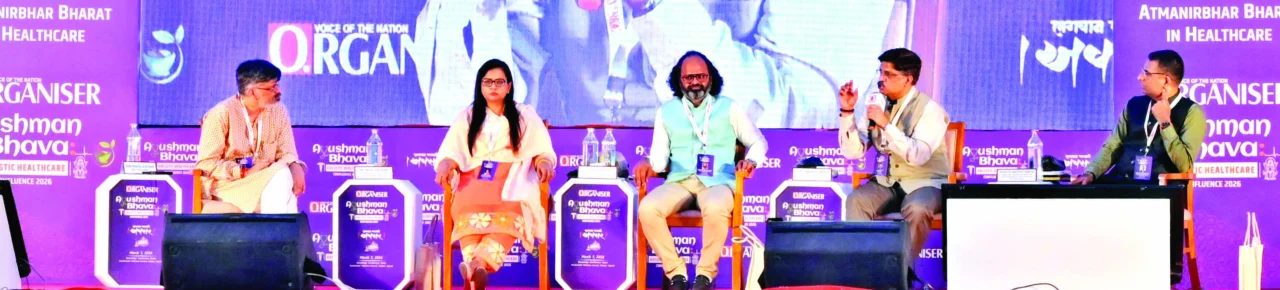
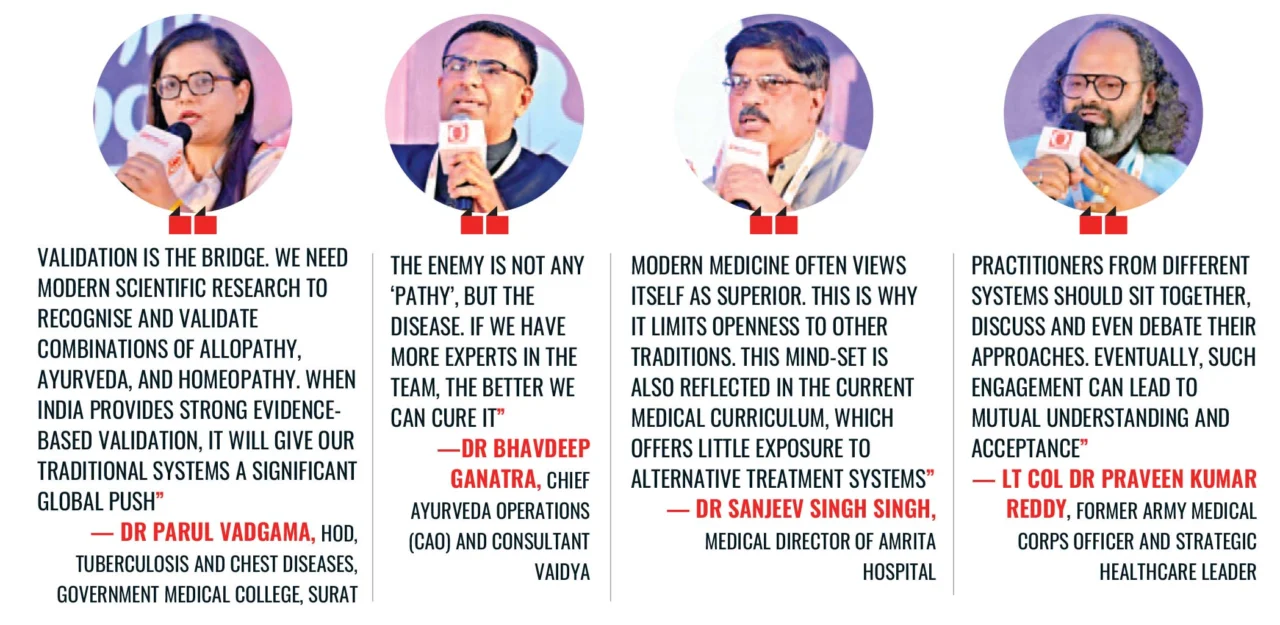
Dr Parul Vadgama, HoD, Tuberculosis and Chest Diseases, Government Medical College, Surat, emphasised that “Health is everybody’s subject.” True wellness is not merely the absence of disease but a state of physical, mental, and spiritual balance, she added.
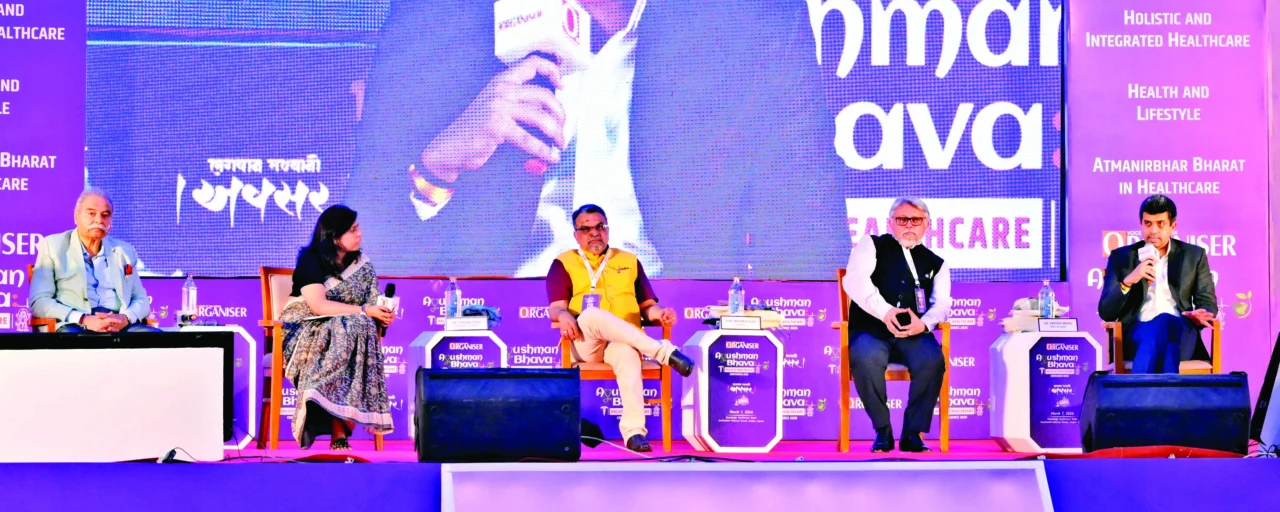
According to Dr Vadgama, the ground-level “fight” between different systems of medicine must end. The solution is Standard Operating Procedures (SOPs) that incorporate all three pathies—Allopathy, Ayurveda, and Homeopathy. These are tailored to the specific needs of the patient. The Holistic & Integrated Healthcare session was moderated by Organiser Editor Prafulla Ketkar.
“The enemy is not any ‘pathy’, but the disease. If we have more experts in the team, the better we can cure it,” said Chief Ayurveda Operations (CAO) and consultant Vaidya Dr Bhavdeep Ganatra.
Bharat no longer sees any single system of medicine as the only answer to patients’ needs. While modern medicine focuses on diagnosing and treating disease, Ayurveda and Homeopathy place greater emphasis on prevention and maintaining overall health
Amrita Hospital Medical Director Dr Sanjeev Singh emphasised the growing need for a greater dialogue and collaboration among the systems of Allopathy, Ayurveda, and Homoeopathy. He stated that integrated medical practices already exist but require wider acceptance and stronger institutional support.
Dr Singh observed that modern medicine often views itself as superior. This is why it limits openness to other traditions. The medical expert also pointed out that this mind-set is also reflected in the current medical curriculum, which offers little exposure to alternative treatment systems.
“Doctors often have strong professional egos, but we must recognise that every system of medicine has its own limitations,” said Dr Sanjeev Singh, while stressing that more cooperation rather than competition between disciplines would ultimately benefit patients. According to him, such “clinical egos” can only be overcome through experience and knowledge.
Responding to a question on why Chinese traditional medicines have gained acceptance in the US market while Indian systems still struggle for similar global recognition, experts said the issue is partly a matter of mind-set and partly a systemic challenge. They argued that India needs a clearer vision and a more inclusive approach from the Government and regulatory bodies to strengthen the global standing of its traditional medical systems. Experts noted that professional associations such as the Indian Medical Association (IMA) have not opposed cooperation between medical systems but maintain that practitioners must operate within the limits of their qualifications while treating patients. They also emphasised the importance of strengthening Ethics Committees in medical colleges to evaluate clinical trials involving multiple systems of medicine more effectively. Such committees, they said, should include experts from different disciplines, including Allopathy, Ayurveda and Homeopathy.
Calling for a broader research ecosystem, experts said studies should not be limited to large institutions. District-level research initiatives, they argued, could also contribute valuable data on the effectiveness of integrated medical practices. Strong scientific evidence will be crucial for gaining global recognition.
According to Dr Sanjeev Singh, a lingering colonial mind-set continues to shape how traditional knowledge systems are perceived in India. “We often become good followers of global trends but hesitate to take our own initiatives,” he added.
Dr Singh emphasised greater engagement with rural communities could also offer important lessons in holistic preventive healthcare, as many villages continue to follow modest and balanced lifestyles that naturally support better health outcomes.
Ayurveda: Core of Integrated Healthcare Framework
Medical experts also stressed the need to place Ayurveda at the core of India’s integrated healthcare framework while encouraging cooperation between different systems of medicine to improve patient outcomes. Speaking on the role of traditional systems in modern healthcare, experts said Ayurveda focuses on making an individual healthy rather than merely treating disease, a principle they described as its central philosophy.
“Ayurveda’s fundamental objective is to keep a person healthy. Treatment is only one part of the process,” said Dr Bhavdeep Ganatra, while highlighting the system’s emphasis on preventive care and lifestyle management.
He noted that Ayurveda offers robust lifestyle-based interventions to help manage conditions such as diabetes and other lifestyle diseases. According to him, many illnesses can be addressed effectively through dietary regulation, daily routines and preventive health practices.
At the same time, experts acknowledged the role of modern medicine in treating acute conditions and, when necessary, curing patients. They stressed that collaboration between Allopathy, Ayurveda and Homeopathy medicine could create a more comprehensive healthcare model.
“Practitioners from different systems should sit together, discuss and even debate their approaches. Eventually, such engagement can lead to mutual understanding and acceptance,” Former Army Medical Corps Officer and Strategic healthcare leader Lt Col Dr Praveen Kumar Reddy said. According to him, making a person healthy is the ‘Mool Mantra’ of Ayurveda.
Experts further called for an end to professional rivalries across medical systems, noting that such conflicts often hinder the development of integrated healthcare practices. They added that initiatives under the AYUSH framework have already highlighted the potential of traditional systems and that stronger collaboration among medical disciplines could help build a more inclusive healthcare model for the future.
According to Organiser Editor Prafulla Ketkar, achieving a truly integrated healthcare system requires a fundamental shift in public and professional mind-sets; stakeholders must move away from the misconception that Allopathy is simply a source of “instant results,” especially since modern practitioners themselves increasingly view antibiotics as a final resort rather than a solution. A critical step in this evolution involves fostering active dialogue between various medical systems (or “pathies”) to build mutual confidence. This trust must be underpinned by rigorous documentation and the scientific validation of traditional treatments to ensure they meet contemporary healthcare standards.
“Ultimately, if we are to advance toward integrated and holistic medical practices, constructing these bridges through incremental steps is essential,” Prafulla
Ketkar concluded.
Health-Fitness Session
At the Health and Fitness session of the Ayushman Bhava-2 Confluence, experts emphasised the need for healthy eating, regular exercise & mindful living. They discussed the growing burden of lifestyle diseases in urban India and emphasised the importance of nutrition, physical activity, and mental well-being.
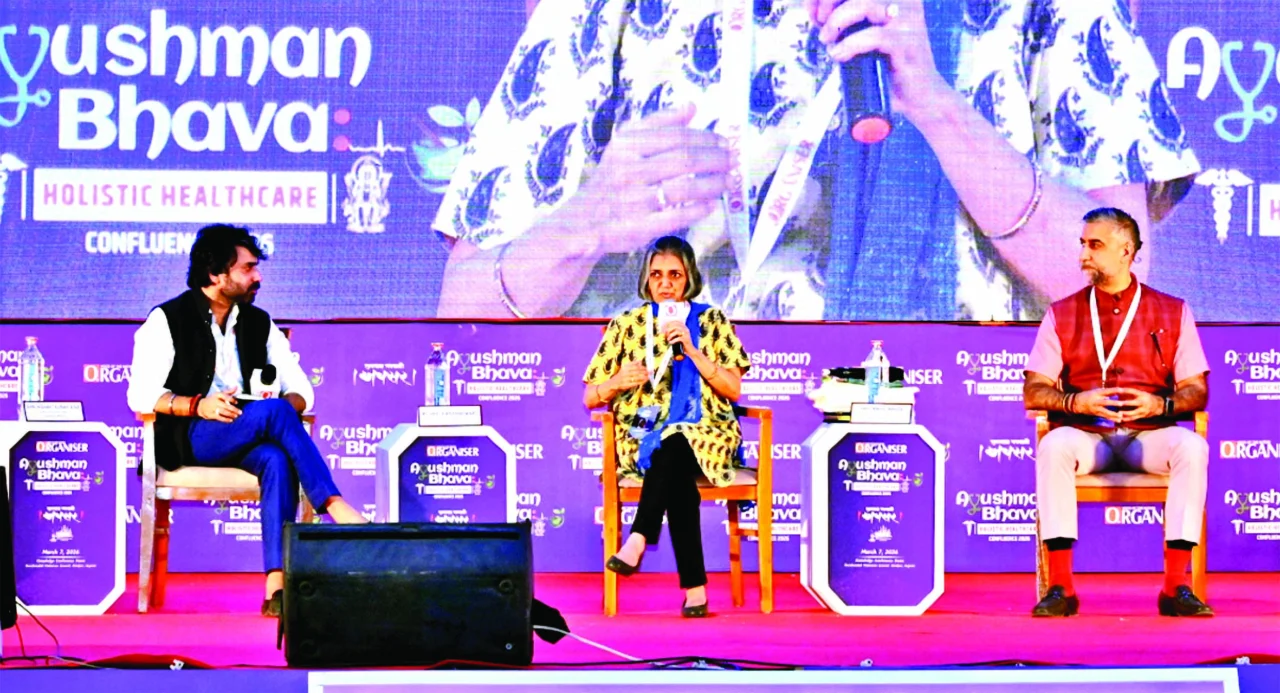
The Health and Fitness session brought together health experts to deliberate on the growing health challenges in modern India. Moderated by Organiser Senior Assistant Editor Nishant Kumar Azad, the session featured noted nutrition expert Sheela Krishnaswamy and fitness enthusiast, filmmaker & MD of JHS Svendgaard Laboratories Ltd., Nikhil Nanda.
The discussion covered a wide range of issues, from the rapid rise of lifestyle diseases such as diabetes, obesity and heart ailments to the impact of social media diet trends, the importance of natural nutrition, and the role of exercise and mental wellness in building a healthier society.
Experts emphasised that while technological and economic progress have transformed lifestyles in urban India, it has also led to unhealthy eating habits, sedentary behaviour and increasing dependence on processed foods.
“Nutrition is Important Pillar of Lifestyle”
Opening the discussion, Nishant Kumar Azad asked Sheela Krishnaswamy about the growing number of people in Indian cities who frequently rely on restaurant food, packaged items and ready-to-eat products, often resulting in health issues such as diabetes, obesity and heart diseases.
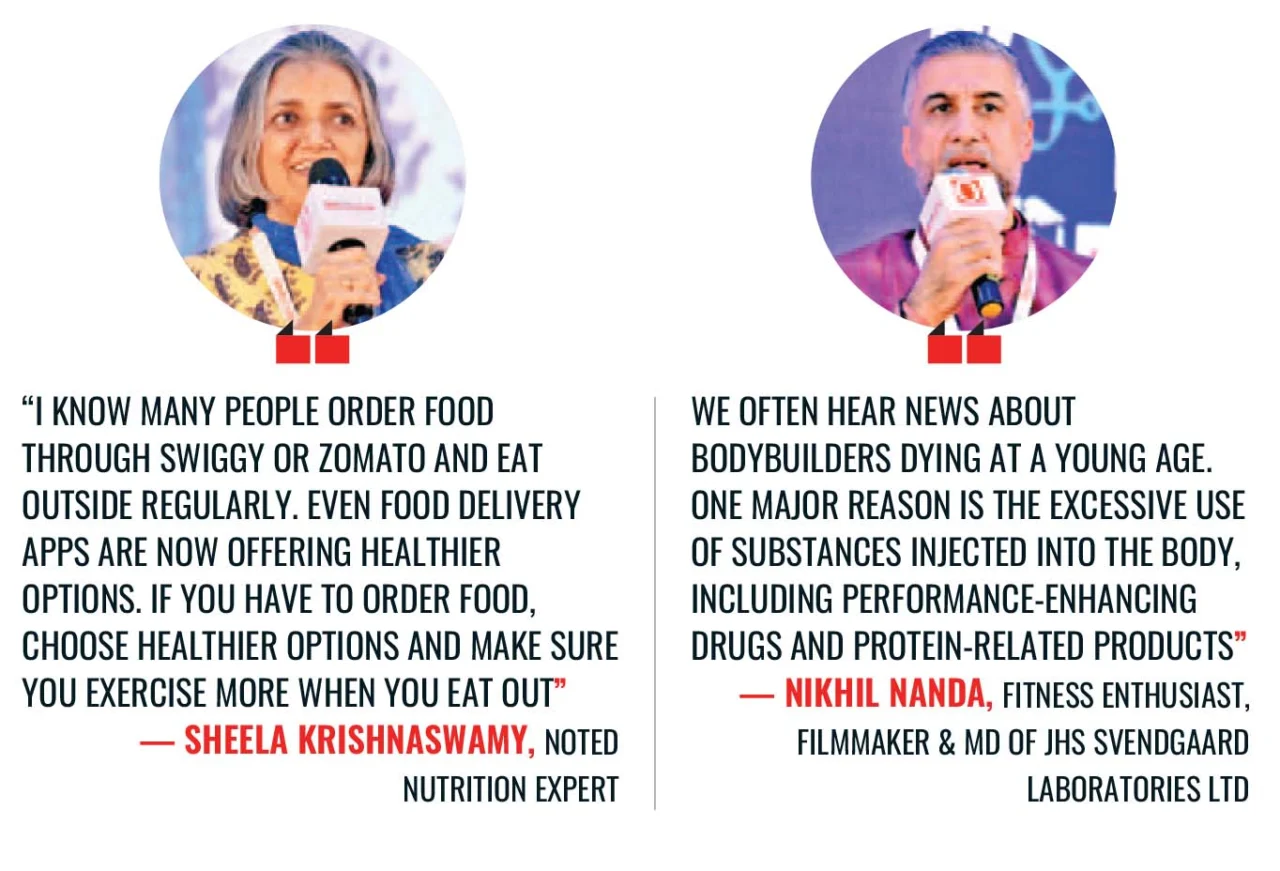
Responding to the question, Krishnaswamy highlighted the central role of nutrition in maintaining overall health. She said, “I think nutrition is a very important pillar of lifestyle. It is something that connects food and health. Until we eat good food, we cannot be healthy.”
Krishnaswamy emphasised that healthy eating habits must begin early in life. “From childhood we are told that eating healthy is important. Eating unhealthy food can lead to gut dysbiosis.”
Lifestyle Linked to Cancer Risk
The conversation then turned to the alarming rise in cancer cases. Azad noted that diseases such as cancer were once relatively rare but are now reported frequently across different age groups. Social media platforms often promote the idea that certain diets can completely prevent cancer.
Krishnaswamy explained that lifestyle plays a significant role in overall health and disease prevention. “Lifestyle is very important. It includes eating healthy, exercising regularly, getting proper sleep, managing stress, avoiding substance abuse and maintaining good mental health.”
According to Krishnaswamy, certain dietary patterns contribute significantly to such inflammation. “Foods that are high in sugar and fat can increase inflammation
in the body.”
To counter this, she recommended including foods with anti-inflammatory properties in daily diets. “We need anti-inflammatory foods. Many spices used in Indian kitchens, such as cumin, mustard seeds, fenugreek and spices used in sambhar, contain antioxidants. Even asafoetida has anti-inflammatory properties.” Krishnaswamy also expressed concern that many people have gradually moved away from traditional Indian diets. “We have moved away from eating traditional Indian food and shifted toward Western diets, which often lack these beneficial spices,” she added.
Highlighting the significance of fibre-rich foods that were once common in Indian kitchens, Krishnaswamy said, “We have also stopped eating enough fibre. Foods such as chana, toor dal, moong, matki, almonds, seeds, sesame and flaxseed are rich in fibre and play a major role in protecting the body.”
Another aspect that Krishnaswamy highlighted was food safety and the importance of cleaning vegetables properly. She said,“Most pesticides remain on the outer surface of vegetables and can be removed by washing them thoroughly.” While suggesting simple methods for reducing pesticide exposure, Krishnaswamy said, “Washing vegetables in salt water or potassium permanganate can help remove pesticides, although even thorough washing with plain water can reduce the risk.”
Social Media Diet Trends
With diet trends such as keto diets, intermittent fasting, and detox diets becoming increasingly popular on social media, the moderator asked how people should differentiate between useful advice and misinformation. Krishnaswamy stressed the importance of evaluating the credibility of people giving health advice online. “We need to ask whether the person giving advice is actually qualified. People should not follow influencers blindly.”
Krishnaswamy also clarified the difference between dieticians and nutritionists, “All dieticians can be nutritionists, but not all nutritionists are dieticians.” A dietician, she explained, is trained to handle patients with specific medical conditions and provide personalised dietary advice.
Krishnaswamy pointed out that credible institutions have already developed practical guidelines for healthy eating. “The Indian Council of Medical Research has issued very good dietary guidelines through the National Institute of Nutrition. These guidelines provide simple steps that people can follow.”
Krishnaswamy also remarked that many influencers promote certain diets or products because they are financially compensated. “Many influencers promote products because they are paid to do so.”
Krishnaswamy also observed that several traditional Indian ingredients are now being repackaged and marketed globally. “Many products that originated in India are now being repackaged internationally. For example, turmeric milk is now sold globally as turmeric latte.”
What Defines a Truly Fit Person?
The discussion then shifted to Nikhil Nanda, who was asked how he defines fitness. Nanda explained that fitness should not be measured solely by body weight or appearance but by the ability to perform everyday tasks comfortably.
“Fitness means that you are able to carry out daily activities easily. If you struggle with basic household work, it indicates a lack of fitness.”
He pointed out that muscle strength naturally declines with age, “After the age of thirty, muscle strength decreases by around five per cent. That is why muscle-strengthening exercises are important.”
Nanda also referred to traditional physical activity practices, “In many traditional systems of physical training, such as the exercises practised in community groups, regular physical activity has always been emphasised.”
Highlighting the logic of investing in fitness, Nanda said, “If you go to the gym every day, you might spend about Rs 500 and buy proper shoes. But a single hospital visit can cost you Rs twenty-five thousand.”
Pointing out that consistency matters more than body shape, Nanda said, “Being thin or overweight is not the main issue. What really matters is consistency in maintaining a healthy lifestyle.”
Concern over Protein Supplements
Amidst the growing trend of consuming protein supplements to build muscle quickly, Nanda cautioned against excessive dependence on processed supplements, “Eighty or ninety years ago, people stayed healthy by exercising, walking long distances and working in agriculture.”
Nanda warned that consuming large amounts of protein without sufficient physical activity could be harmful, “Taking large amounts of protein without burning it through metabolic activity can be harmful.”
Instead, he recommended natural sources of protein, “In my opinion, natural sources such as chana, tofu and paneer are the best options.” Sharing his own lifestyle habits, Nanda added: “I practise regular exercise and follow a purely vegetarian diet, and I have never felt a deficiency of protein.”
Nanda also cautioned about the risks associated with excessive supplement use in bodybuilding. “We often hear news about bodybuilders dying at a young age. One major reason is the excessive use of substances injected into the body, including performance-enhancing drugs and protein-related products,” he added.
Oral Health & Heart Disease
Another important topic discussed during the session was oral health, which Nanda described as a crucial indicator of overall physical health. “Oral health is a major indicator of the body’s overall health.” Nanda explained that dental issues can sometimes signal deeper health problems, “Problems with teeth and gums may indicate underlying health issues such as blood pressure or heart-related conditions.”
Nanda also cited research linking oral hygiene with cardiovascular health, “According to certain studies, a significant percentage of heart-related issues are connected to poor oral health.”
Debate on Advertising Unhealthy Products
Nanda, who is also a filmmaker, was asked about the promotion of unhealthy products such as refined oils through advertising and cinema. He explained that industries often depend on advertising revenue to sustain operations, “Any system requires financial resources to function.”
Mental Health: Hidden Crisis
The discussion concluded with a focus on mental health, which Nanda described as one of the most pressing issues of modern times. “Mental health problems are real, and they are more widespread today than ever before.” Nanda identified social media comparisons as a major contributing factor, “Today people constantly compare their lives with others they see online, and this often leads to feelings of dissatisfaction and guilt.” According to Nanda, traditional practices such as pranayama can significantly improve mental well-being, “Practising pranayama for just fifteen minutes every morning can generate tremendous energy and positively influence mental well-being.”
He recommended Anulom Vilom breathing exercises as a simple daily practice, “Even fifteen minutes of Anulom Vilom each day can create a noticeable increase in energy.” Nanda also emphasised the importance of mindful eating, “When we eat, we should not be distracted by television or mobile phones.” He explained that paying attention to the taste, smell and texture of food naturally prevents overeating. “Watching television or using phones while eating can lead to stress and excessive consumption of food.”
Ayurveda & Principle of Moderation
Summing up the discussion, Azad referred to a traditional Ayurvedic principle that aligns with modern nutritional Science. He noted how mindful eating and ten minutes exercise every day remained the highlight of the session. He added, “Ayurveda also advises that if a person eats until about sixty to sixty-five per cent of the stomach is filled, it helps maintain long-term health.”
The session concluded with a clear message: sustainable health cannot be achieved through extreme diets or quick fixes. Instead, it depends on balanced nutrition, regular exercise, mental discipline and mindful living, principles that have long been embedded in traditional Indian knowledge systems and are now increasingly supported by modern health Science.
Affordable and Accessible Healthcare
Accessibility to effective healthcare is the Fundamental Right of every individual. Carving an inclusive society in terms of effective healthcare is the basic attribute of every country. With respect to Bharat, the medical ecosystem of the country is vast and holds huge potential in terms of resources and manpower to craft a healthy society and also to cater it across the globe. To further harness this potential of the Indian medical paradigm and craft pathways to overcome the existing bottlenecks, Organiser curated a flagship conclave called Ayushman Bhava Holistic Healthcare Confluence 2026.
In the session titled, “Affordable and Accessible Healthcare”, the panel ideated and deliberated a roadmap to script an inclusive healthcare ecosystem in India. They focused on upgrading the medical research ecosystem, integration of technology, furnishing state-of-the-art medical education systems, countering patent gridlocks posed by the Western countries and the overarching changes that have to be channelised at the level of curating medical policies. The panel also hailed the importance and effectiveness of the traditional Bharatiya medical practices such as Ayurveda and deliberated on ways to harness adoptive Ayurvedic practices aligning with the demands and competitions encountered in the modern era.
Aatmanirbharta in Pharma
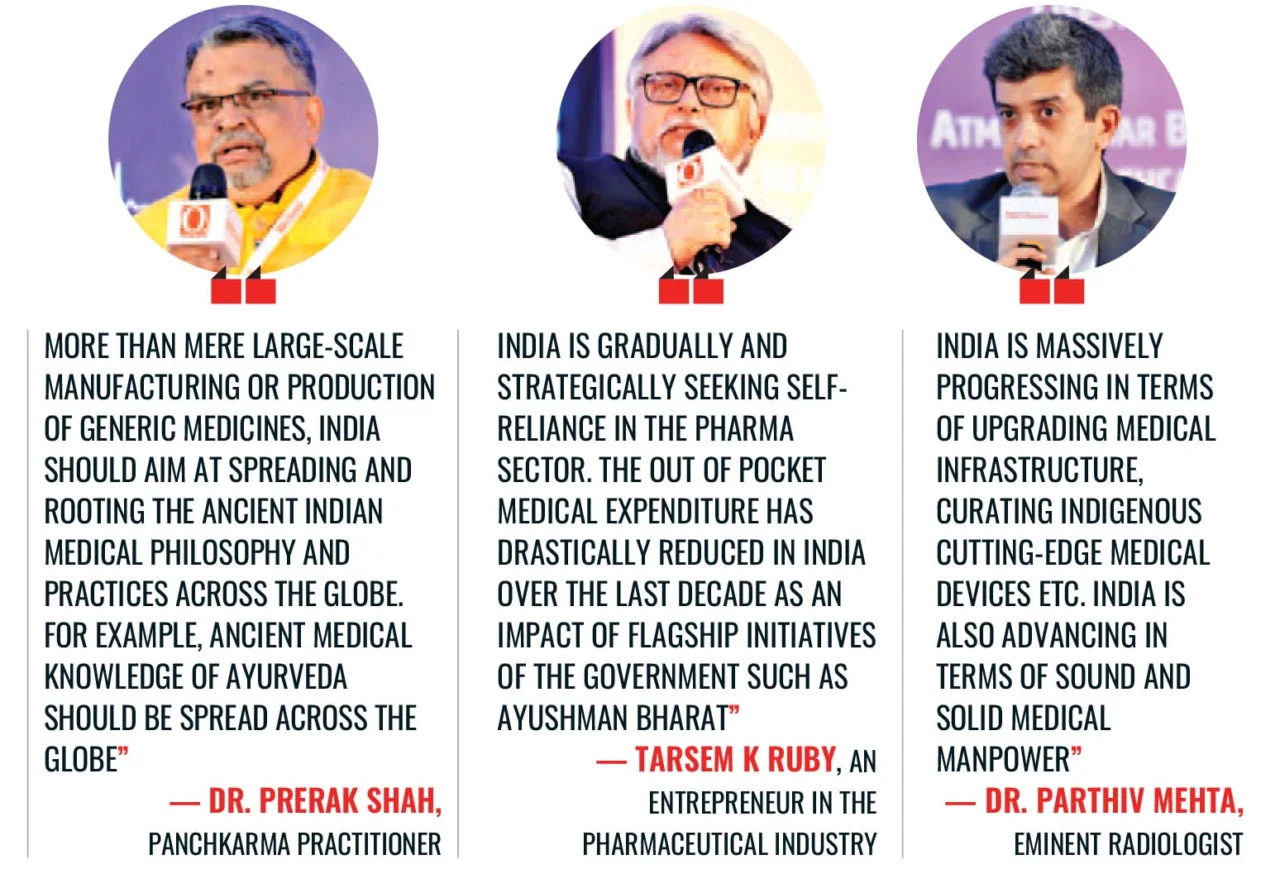
Speaking at the session, Tarsem K Ruby, an entrepreneur in the pharmaceutical industry, hailed the incredible progress made by Bharat in the past decade with respect to achieving Aatmanirbharta in the pharmaceutical industry. India is gradually and strategically seeking self-reliance in the pharma sector. The out of pocket medical expenditure has drastically reduced in India over the last decade as an impact of flagship initiatives of the Government such as Ayushman Bharat.
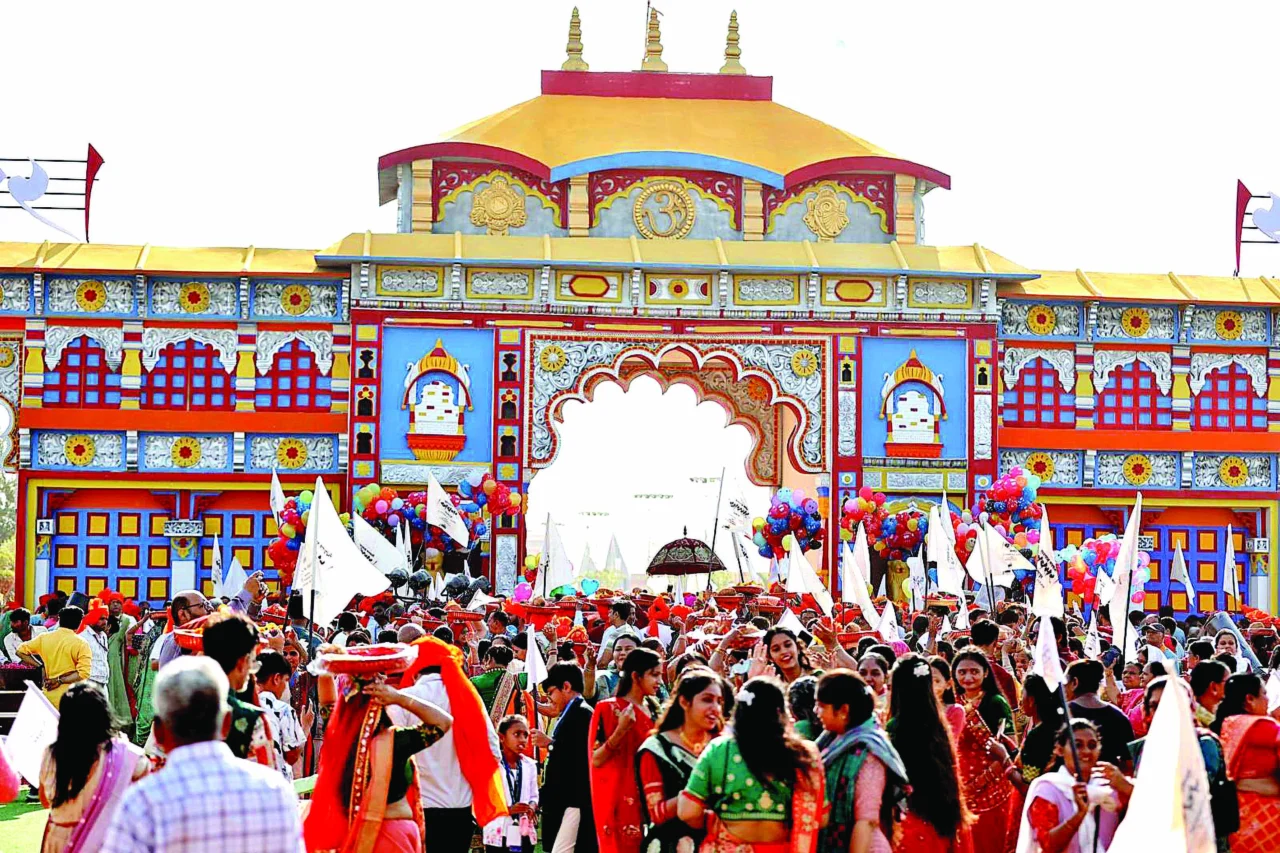
200 years of unwavering devotion
Among the nine Mandirs established during the lifetime of Bhagwan Shree Swaminarayan, the Jetalpur Mandir holds special significance. Here, the Murti of Shree Revati Baldevji Harikrishna Maharaj was consecrated, spreading the message of monotheism in the religious world. This Mandir has remained a center of faith and fulfillment of devotees’ aspirations for many years.
Shree Swaminarayan Mandir, Jetalpur, completed 200 years “Avasar” of its establishment on March 11, 2026. On this historic occasion, under the chairmanship of His Holiness Pujya Bhavi Acharya 108 Vrajenndra Prasadji Maharajshree, the grand Bicentenary Celebrations were organised across 300 acres with great devotion and enthusiasm. Various religious, social, environmental, cultural, and service-oriented programs were conducted from March 5th to March 11th.
However, currently, the out of pocket expenditure in India during medical emergencies is around 40 to 45 per cent. The number is high compared to other emerging economies. For example, in China, Sri Lanka and other countries, the out of pocket expenditure is less than 30 per cent. The percentage in India, thus has to come down even more and the work is in progress due to visionary policies of the Government, asserted Tarsem K. Ruby.
Bharat Ranks High in Medical Accessibility & Affordability
Comparing the medical ecosystem in India with the Western countries such as the USA and the UK in terms of medical accessibility and affordability, Dr. Parthiv Mehta, eminent radiologist, suggested that the healthcare dynamics between India and the Western countries cannot be compared at all given the scale of population and the intensity of healthcare penetration that has to be accelerated in the country.
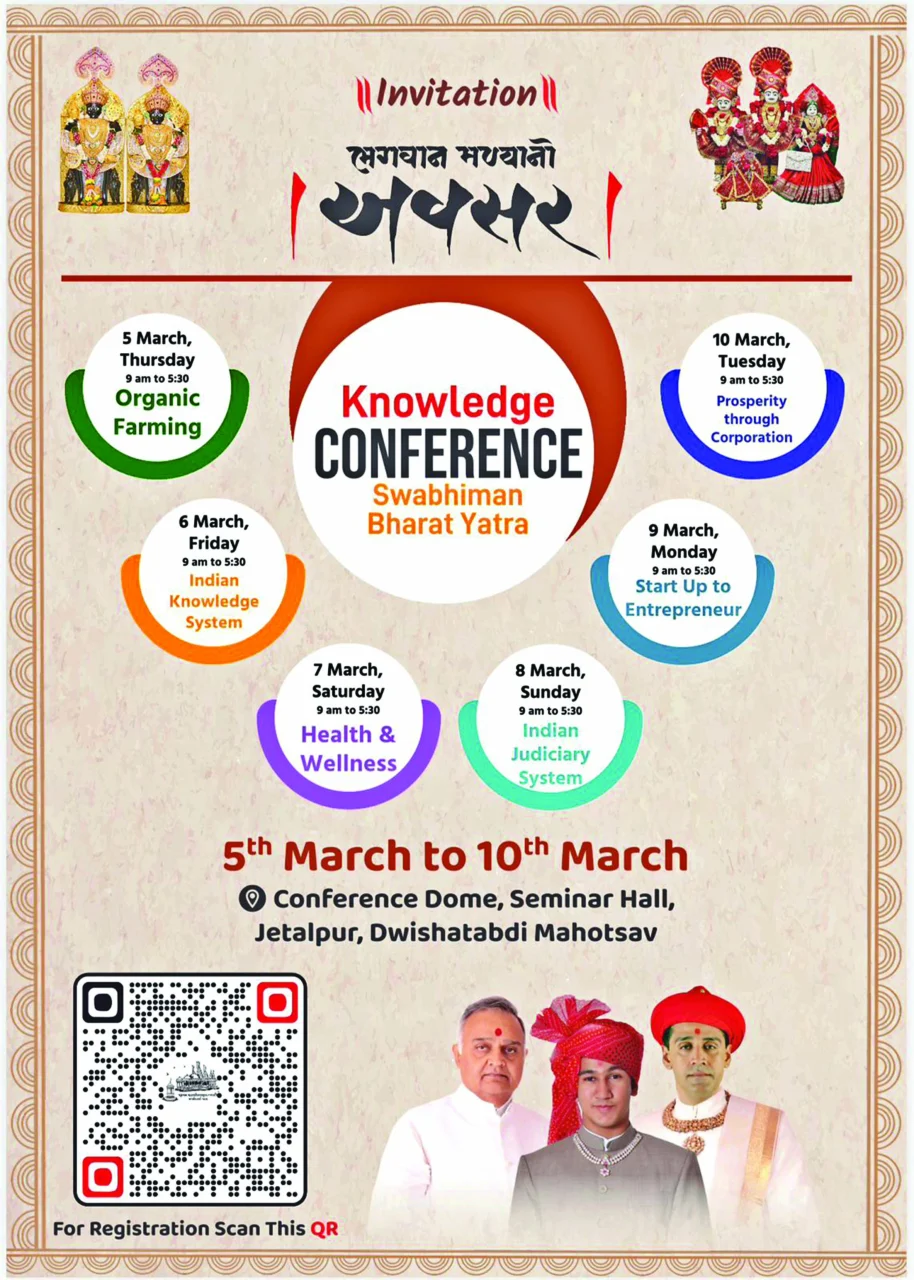
service-oriented programmes were conducted from March 5th to March 11th.
Despite the challenge of a vast population, the Indian Doctors and healthcare system is more accessible and affordable to the needy people in India, added Dr. Mehta. “I would fly to India for good healthcare”, Dr Mehta asserted. India is massively progressing in terms of upgrading medical infrastructure, curating indigenous cutting-edge medical devices etc. India is also advancing in terms of sound and solid medical manpower, Dr. Mehta exclaimed by illustrating the overarching advancement accelerated in India in the domain of articulating an inclusive, accessible and affordable healthcare ecosystem.
Countering Global Competition
One of the major challenges encountered by India at the global level, in the path of scripting inclusive and affordable healthcare and Aatmanirbharta in medicine, is the challenge of patents posed by the USA and other developed countries.
Speaking on overcoming this bottleneck, Dr Tarsem K. Ruby, stated that India need not worry about the patent challenge, because the country hitherto is manufacturing more than 95 per cent of all necessary medicines that is prerequisite to craft a healthy Indian society. Thus, besides countering the challenge of patents at the global level, India should focus more on large-scale manufacturing of the available medicines.
Asserting the need to make medicines accessible to grassroots through cost-effective means, Dr. Ruby said this is of vital importance. The apex motive should be vast production, inclusive and economical distribution of the medicines, building a strong medical research and development ecosystem, medical education apparatus, strengthening medical infrastructure etc. This is pivotal than the problem of patents, Dr. Ruby thus highlighted the utmost needs of Indian healthcare beyond the problem of patents.
On countering the competition posed by the global pharmaceutical sector, Dr. Prerak Shah, Panchkarma practitioner, reiterated that more than mere large-scale manufacturing or production of generic medicines, India should aim at spreading and rooting the ancient Indian medical philosophy and practices across the globe. For example, ancient medical knowledge of Ayurveda should be spread across the globe. Fundamental Indian medical practices have to be unleashed across continents.
On the path of crafting unique solutions to popularise adaptive Ayurvedic practices in the country and across the globe, Dr. Mehta said that India has to scale-up the research and development budget for the medical ecosystem. The Indian Government is indeed marching in this direction, Dr. Mehta also added. He highlighted how the current Government is encouraging the growth of Ayurvedic start ups and innovation centres/labs to meet modern day medical demands, to make health practice more accessible to the people. These Ayurvedic start-ups/innovation centres are an incredible leap in the path of achieving Aatmanirbharta in the Indian healthcare ecosystem.
AI in healthcare
Speaking about the integration of Artificial Intelligence into the healthcare ecosystem, Dr. Mehta asserted that AI is helping to bridge the gaps in healthcare and seek inclusivity. It is also aiding to restore the precious ancient medical knowledge, which is apparently on the verge of extinction. The lost Ayurvedic texts and practices can be catered to a larger population to achieve better health and lifestyle practices among the population, with the help of AI. AI also helps to foster personalised medication, Dr. Mehta added. AI can be particularly used to achieve inclusivity in healthcare and reach advanced medical practices to the grassroots.
For example, the Primary Health Care Centres (PHCs) in remote regions can be integrated with city healthcare practitioners with the help of AI. One example is tele-medication or tele-couseling. The under-operated, under-equipped PHCs can be furnished to its fullest efficiency with the tools of modern technology such as AI, Dr. Mehta asserted. However, the panel warned to be vigilant of the adverse effects of AI such as misuse, misguidance, cyber crime, theft of critical and personal data etc. Ultimately, the merits of AI integration into healthcare is more than the demerits, the panel concluded. Thus, use of AI in health is for the greater good and well-being of mankind.
The panel also spoke about articulating a sound healthcare policy in India that will act as the key pillar in crafting a sound healthcare ecosystem in the country. Nation-first approach should be the bedrock of effective health policy of India. Additionally, the health policy should focus on bringing behavioural change among the medical graduates who are resistant to work at PHCs and remote regions. In fact, in this direction, drastic progress has been ensured in the previous decade, the panel opined.
Integrated and multidisciplinary medicine approach should be another pivotal pillar of the healthcare policy of India. Changes in the medical bureaucracy is another vital aspect that has to be implemented in the healthcare policy. This translates to the fact that people who draft healthcare policy in India should be medical experts and longtime professionals, beyond administrative professionals, the panel strongly asserted. Introducing Indian Medical Services will be an exponential initiative in this direction, Dr. Shah reiterated. The medical and healthcare policy should also focus on consolidating institutional changes in the medical educational apparatus. This includes a flexible hiring system for medical professors and ensuring an effective administrative system, the panel at Ayushman Bhava confluence asserted.
Valedictory session
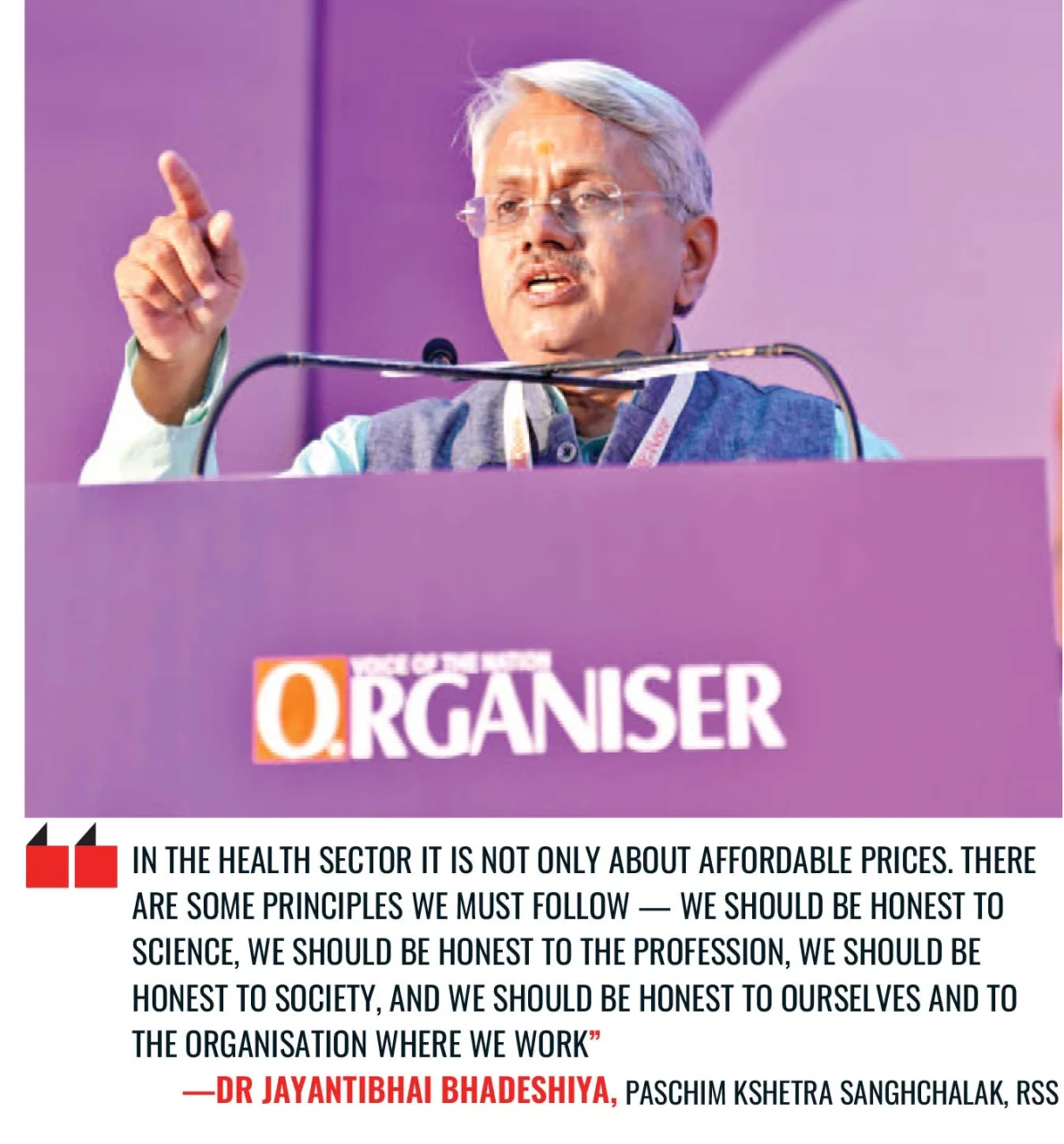
India today needs role models in the healthcare sector, who can inspire the next generation of doctors dedicate their lives to service and build a healthy nation. Healthcare must not be viewed merely as a profession but as a form of national service, said Dr Jayantibhai Bhadeshiya, Paschim Kshetra Sanghchalak of the Rashtriya Swayamsevak Sangh, during the valedictory session.
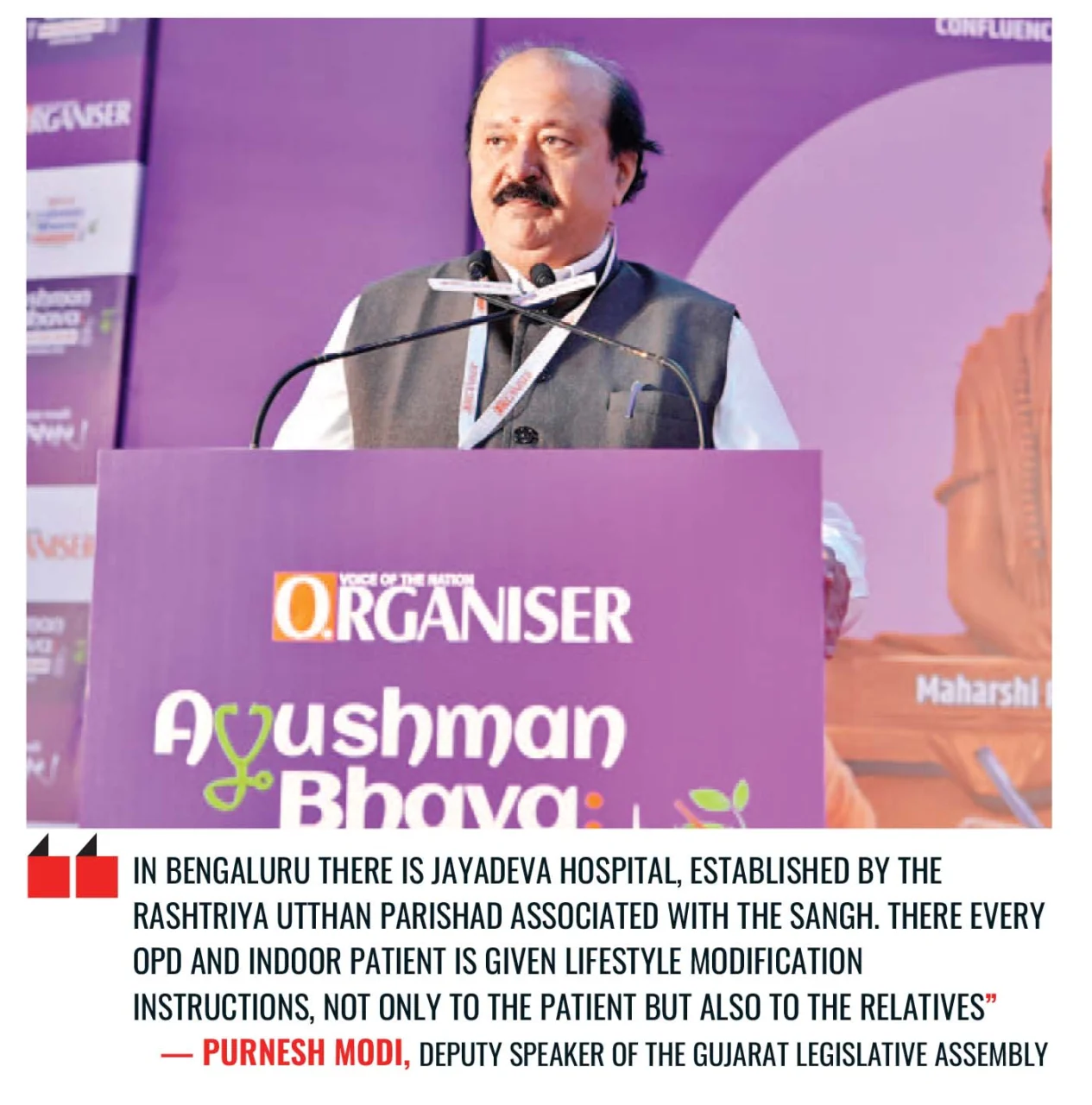
Ayushman Bhava: Holistic Healthcare Confluence 2026; hosted by Organiser, concluded on March 7 at Jatelpur in Ahmedabad, Gujarat. The ‘Ayushman Bhava’ event was held with the theme of holistic approach and was attended by Purnesh Modi, Deputy Speaker of the Gujarat Legislative Assembly, as the Chief Guest. While delivering the address, Purnesh Modi pointed out that institutions across the country are already demonstrating such models of service.
Emphasising the ethical foundations of healthcare, Dr Bhadeshiya said the sector must be guided by strong principles beyond affordability alone. “In the health sector it is not only about affordable prices. There are some principles we must follow — we should be honest to Science, we should be honest to the profession, we should be honest to society, and we should be honest to ourselves and to the organisation where we work,” he said.
He noted that organisations such as the National Medical Organisation (NMO) and Arogya Bharati are working to bring together Doctors, medical students and healthcare professionals to contribute to public health initiatives. According to him, Swayamsevaks associated with such initiatives have helped establish more than forty hospitals and blood banks across the country. Dr Bhadeshiya said the most effective way to inspire young medical professionals is by presenting real-life examples of Doctors who have dedicated their lives to serving society, often in remote and underserved regions.
He cited the example of Padma Vibhushan Dr Ashok Rao Kukde, who chose service over a comfortable career. “Dr Ashok Rao Kukde’s father had a hospital in Pune. But while studying, he decided to go to a place where healthcare services were scarce,” Dr Bhadeshiya said. Dr Kukde moved to the Marathwada region of Maharashtra, where medical facilities were extremely limited.
“He went there with his wife and two friends and started a small ten-room hospital. Over time it developed into a charitable institution and today functions as the Vivekananda Medical Mission, providing advanced services including cancer and cardiac treatment,” he said.
Dr Bhadeshiya also referred to the work of Dr Mehul Shah, who along with his wife chose to serve in the tribal belt. “Dr Mehul Shah and his wife studied in South India and later moved to Dahod, a tribal region on the Gujarat–Madhya Pradesh border,” he said. Initially, the couple started a private hospital but soon realised that many tribal patients could not afford treatment. “They reduced the charges and began offering free services two days a week. Eventually the hospital became a charitable institution, and today patients come there from distant places,” he said.
Emphasising the ethical foundations of healthcare, Dr Bhadeshiya said the sector must be guided by strong principles beyond affordability alone. he said In the health sector it is not only about affordable prices. There are some principles we must follow
The hospital now performs super-speciality eye surgeries and also serves as a training centre for postgraduate fellows, demonstrating that advanced healthcare institutions can develop even in small towns. “This shows that such healthcare institutions can emerge even in small towns,” Dr Bhadeshiya observed.
Models of Compassionate Healthcare
Dr Bhadeshiya further cited the example of Dr Vasant bhai, whose trust hospital displayed a board stating that payment of hospital bills was not compulsory. “Patients could pay whatever they could afford,” he said. Another example he mentioned was the Sadbhavana Charitable Hospital in Mahuva, run by Dr Kanubhai Kalsariya. “Many people have donated for the hospital, but the rule is that no donor’s name will be displayed anywhere,” he noted, highlighting the spirit of service behind such institutions.
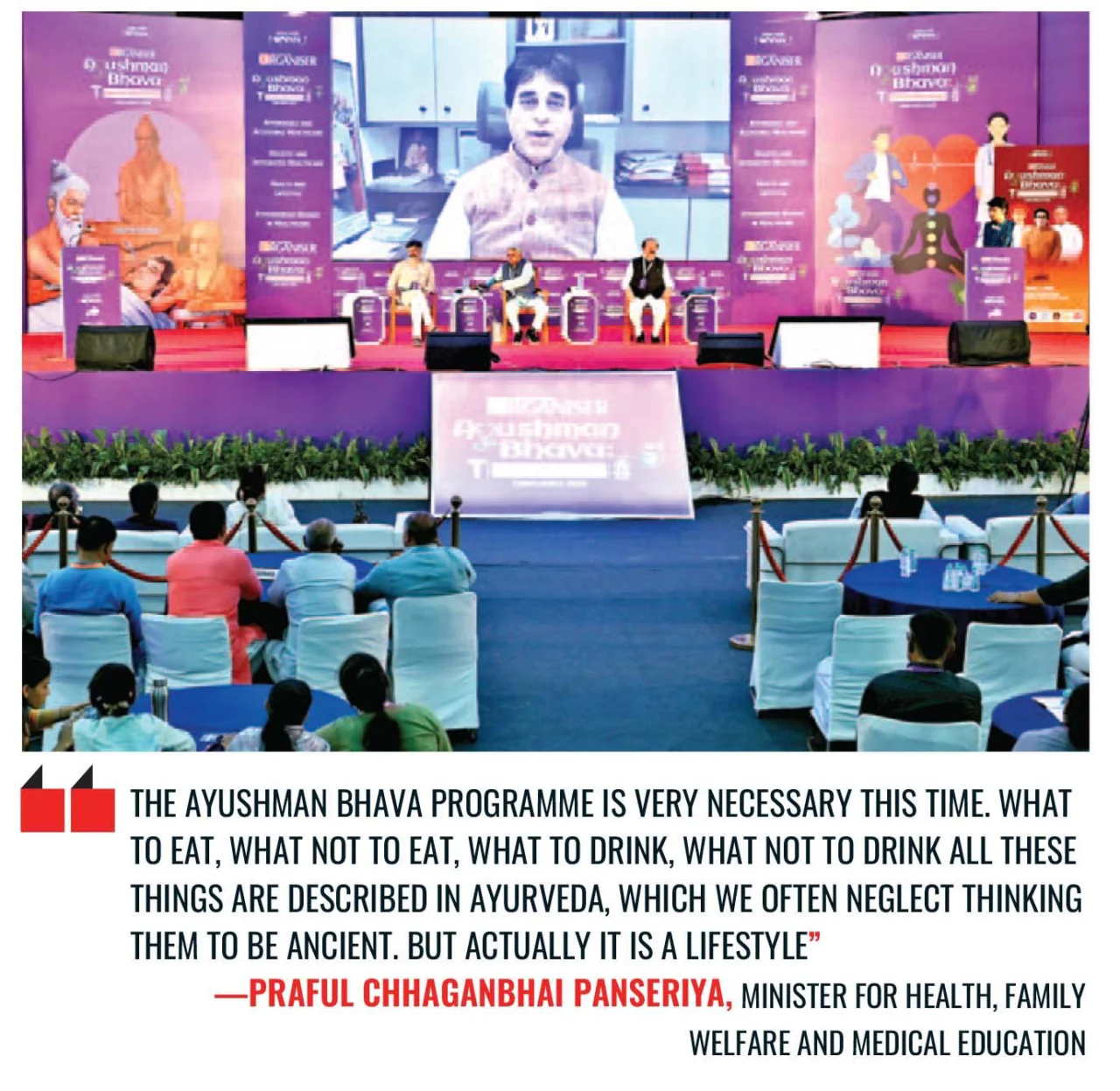
According to Dr Bhadeshiya, such examples represent the values that should guide healthcare in India. “These are the role models that the next generation must follow. Only then can we build a healthy nation,” he said. Praful Chhaganbhai Panseriya, Minister for Health, Family Welfare and Medical Education in the Government of Gujarat, speaking virtually said, “The Ayushman Bhava programme is very necessary this time. What to eat, what not to eat, what to drink, what not to drink all these things are described in Ayurveda, which we often neglect thinking them to be ancient. But actually it is a lifestyle.”
Across the world, in Europe and other developed countries, medicines are processed carefully, whereas in food production chemicals and fertilisers are used extensively. Because of this people are facing many serious diseases from cancer to many others. In Charaka Samhita and the texts of Sushruta Muni there are nearly one lakh shlokas related to Ayurveda. Many present-day diseases are already described there. Therefore, awareness is necessary. Earlier, elders would place their hand on the head and bless saying ‘Ayushman Bhava’. This is our tradition, our ancient lifestyle which is superior. Today certain people with destructive thinking are filling food materials with harmful substances and endangering human life. Therefore awareness is required. Government is working carefully, medicines are being given, free schemes are being created. But we should not reach a situation where we depend on schemes — lifestyle itself must be healthy.
In the body, Vata, Pitta and Kapha are responsible for diseases, and Ayurveda cures them. Thought processes also influence health — Sattva, Rajas and Tamas. Food influences thoughts, and distorted thoughts create imbalance in society.
Change in Lifestyle
Lifestyle must change. First we must give up addictions like paan, mawa, gutka, tobacco and cigarettes which cause cancer. People waste money on such habits and damage their bodies. To remove diseases and remain healthy one must remain healthy in mind, speech and body. If the mind is healthy then the body will become healthy. Programmes like Ayushman Bhava are very necessary today and such programmes should continue. I salute the organisers. Due to my scheduled programmes in Kamrej I could not attend. Please forgive me. Best wishes to everyone. Jai Dhanvantari.”
Purnesh bhai Modi, Deputy Speaker of the Gujarat Legislative Assembly, said, “The Ayushman Bhava programme is an opportunity to understand health — through which we can understand how our entire life can remain disease-free. Today we are making many mistakes. This day should not remain merely information for us, but the solution to these problems has been said in our culture for years.”
Praful Chhaganbhai Panseriya, Minister for Health, Family Welfare said that The Ayushman Bhava programme is very necessary this time. What to eat, what not to eat, what to drink, what not to drink all these things are described in Ayurveda
Our lifestyle must change. It is said that our digestion is connected with the sun. Our stomach is connected with the sunrise and sunset cycle. One should eat within a couple of hours of sunset, because digestion is connected with the sun. One should eat before sunset, but we are doing the opposite. As a result many diseases which we had never imagined are now seen. Through Yoga and Ayurveda, India has guided the world on many subjects. Because of that strength we still have the ability to defeat diseases and health problems. But we must take a pledge — this body is ours. How we live, how we eat, how we keep our body healthy depends on us. If we take this pledge ourselves, then I feel that this one-day seminar will prove useful and meaningful for you.
Whenever necessary, the Gujarat Government has announced policies. Earlier, civil hospitals had limited capacity, but today you can see that the OPD in civil hospitals receives huge numbers of patients. In Surat alone around 5,000 OPD patients visit civil hospitals. The Vote of Thanks was presented by Prafulla Ketkar, Editor of Organiser.