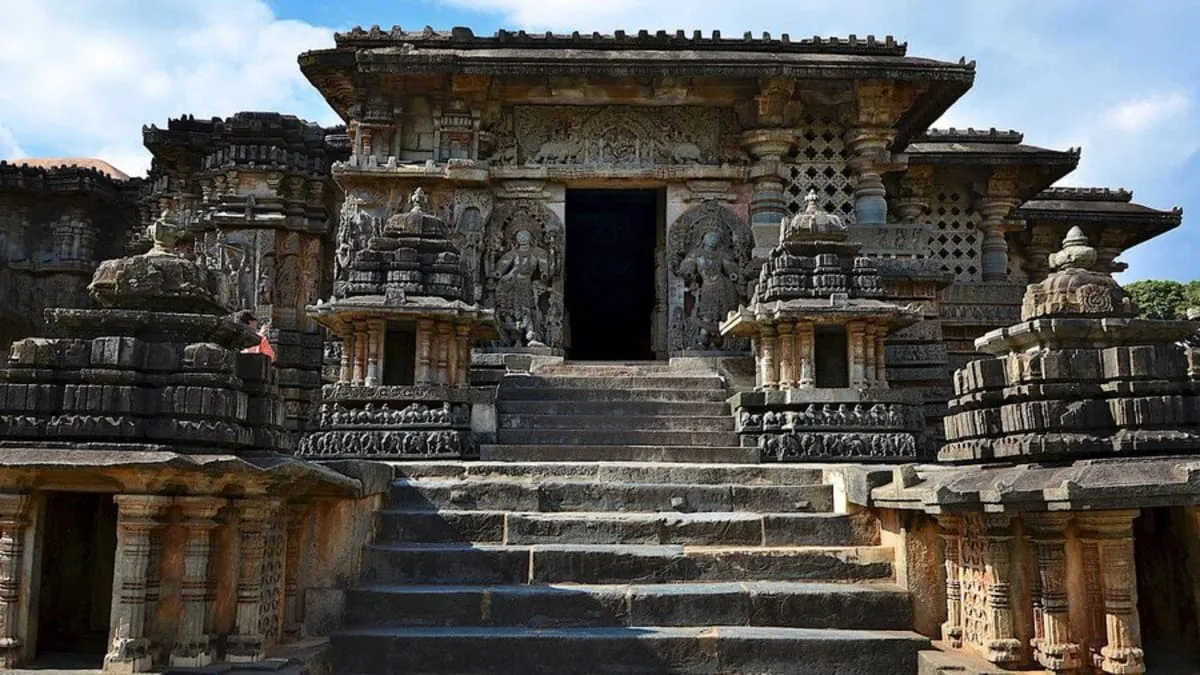
Amarashilpi Jakkanna, the legendary sculptor associated with Belur and Halebidu Mandirs, remains a symbol of Karnataka’s rich artistic heritage
TUMAKURU: India’s ancient mandirs are more than places of worship. Their intricate carvings, remarkable engineering and magnificent sculptures stand as enduring testaments to the extraordinary skills of the artisans who built them. Yet, while the temples continue to inspire awe, the stories of the master craftsmen behind these architectural wonders often remain less known. One such remarkable figure is Jakkanachari, popularly remembered as Amarashilpi Jakkanna.
Born in Kaidala, a village near Tumakuru in present-day Karnataka, Jakkanachari is celebrated in regional tradition as one of the great sculptors associated with Karnataka’s mandir-building heritage. His life is surrounded by stories of devotion, artistic excellence and an uncompromising commitment to perfection.
According to popular accounts of his life, Jakkanachari left his home after marriage to pursue his passion for sculpting and mandir construction. His dedication to his craft is said to have taken him across different parts of Karnataka, where he worked on magnificent mandir structures and intricate stone sculptures.
Tradition also associates Jakkanachari with Ramanujacharya, the revered Vaishnava philosopher who travelled through southern India and helped spread the worship of Bhagwan Vishnu. According to these accounts, Ramanujacharya encouraged the sculptor to build mandirs dedicated to Vishnu across Karnataka.
Jakkanachari is also associated with the Hoysala ruler Vishnuvardhana, whose reign witnessed significant developments in mandir architecture and sculpture. The Hoysala period became renowned for its elaborate temples, detailed stone carvings and distinctive artistic traditions.
The mandirs at Belur and Halebidu remain among the finest examples of Hoysala architecture. Their walls feature elaborate depictions of deities, celestial figures, dancers, animals, belief scenes and ornamental patterns, all carved with extraordinary precision.
The Chennakeshava Mandir at Belur and the Hoysaleswara Mandir at Halebidu are particularly celebrated for their intricate sculptures and architectural details. These monuments reflect the remarkable craftsmanship that flourished under Hoysala patronage.
Jakkanachari is popularly associated with this artistic legacy, although the attribution of individual sculptures to him belongs largely to traditional accounts rather than firmly established historical records. His name has nevertheless endured as a symbol of the skill and dedication of the master sculptors who transformed stone into works of art.
Among the most fascinating legends associated with Jakkanachari is the story of a disagreement over a sculpture of Bhagwan Vishnu at Belur.
According to the popular tale, Jakkanachari’s son, Dankanachari, who had also become a skilled sculptor, visited the temple and examined the deity carved by his father. He reportedly noticed a flaw in the sculpture, claiming that a toad was concealed within the stone in the deity’s belly.
Jakkanachari, renowned for his confidence in his craftsmanship, refused to accept the criticism. Convinced that his work was flawless, he is said to have declared that he would cut off his own hand if the defect could be proved.
When the stone was examined, the story goes, a cavity containing a toad was discovered, confirming the son’s observation. True to his word, Jakkanachari cut off his hand. The dramatic episode is preserved in popular tradition as a story about artistic pride, humility and the importance of accepting the truth, even when it challenges one’s own expertise.
The story does not end with the discovery of the flaw. In some versions of the legend, Jakkanachari later learns that the young sculptor who challenged him was his own son. The two are eventually reunited, and divine grace restores Jakkanachari’s lost hand. Details vary across retellings, reflecting the story’s place in regional folklore.
Whether understood as history or legend, the tale captures the values traditionally associated with India’s master craftsmen: devotion to their work, extraordinary attention to detail and a willingness to uphold their word.
Today, the mandirs of Belur and Halebidu continue to draw visitors, devotees, historians and admirers of Indian art. Their stone surfaces preserve the imagination and technical mastery of generations of artisans whose names are not always recorded in history.
Jakkanachari’s enduring place in Karnataka’s cultural memory serves as a reminder that behind every magnificent mandir lies the labour, knowledge and vision of its builders and sculptors. His story invites us to look beyond the grandeur of the monuments and remember the human hands that helped create them.
