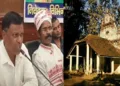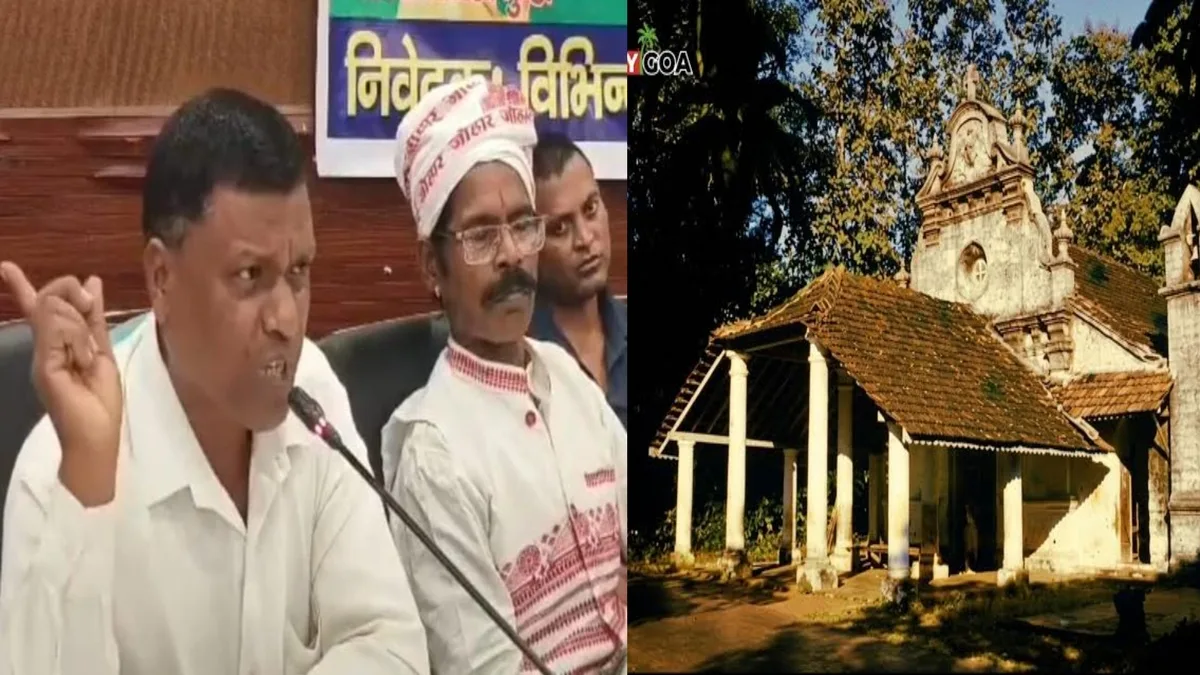
RANCHI: Members of the Kendriya Sarna Samiti and other tribal organisations in Jharkhand have strongly objected to the celebration of indigenous festivals such as Karam and Sarhul inside churches, accusing Christian missionaries of interfering with traditional tribal customs and religious practices. At a press conference at the Ranchi Press Club, tribal leaders warned that they would organise traditional rituals at churches if Karam celebrations were held inside them.
Tribal people in Jharkhand have had enough. At a press conference held at the Ranchi Press Club by members of the Kendriya Sarna Samiti, they issued a strict warning to Christian missionaries celebrating indigenous tribal festivals like Karam inside churches. They categorically… pic.twitter.com/se8Cl8GBRO
— Rakesh Krishnan Simha (@ByRakeshSimha) October 15, 2026
The controversy has brought renewed attention to concerns over the preservation of Sarna traditions, tribal religious identity and the relationship between indigenous customs and Christianity in Jharkhand.
Tribal leaders assert right to protect indigenous traditions
During the press conference, representatives of the Kendriya Sarna Samiti questioned the practice of celebrating tribal festivals within Christian religious institutions. They argued that traditions such as Karam and Sarhul have their own customary rituals, community practices and religious significance, which should not be altered or incorporated into another religious framework without the consent of the communities concerned.
The Samiti had previously joined other tribal organisations in raising objections to Karam celebrations inside churches. According to local reports, the organisations submitted a memorandum to the Ranchi district administration on September 16, seeking intervention over the issue. These objections reflect a wider debate over the preservation of indigenous religious identity and the recognition of Sarna traditions.
Tribal leader Soma Oraon issued a particularly strong warning to church authorities, alleging that Christian missionary activities had contributed to the erosion of indigenous customs and religious practices.
Oraon also claimed that attempts had been made to transform Jharkhand into a Christian-majority political entity and said missionary organisations were exploiting tribal communities. Oraon said tribal communities would no longer remain silent if their traditional festivals and worship practices were altered or appropriated. He also referred to former minister Bandhu Tirkey while asserting that individuals and organisations involved in activities he considers harmful to tribal interests would be exposed.
The tribal leader warned that if churches proceeded with Karam celebrations, members of indigenous communities could visit the premises the following day and perform traditional rituals using customary offerings, including handia, rice and vermilion. He further said that if church authorities refused entry, tribal leaders would declare the premises a Dhumkuria, a traditional Oraon youth dormitory and cultural institution.
Karam and Sarhul are important festivals among several tribal communities in Jharkhand and neighbouring regions. They are closely associated with indigenous cultural traditions, community life and reverence for nature. Karam is associated with the worship of the Karam tree and is celebrated by several tribal communities through rituals, songs and dances. Sarhul, celebrated particularly among communities such as the Oraons and Mundas, marks the arrival of spring and is associated with nature-based worship and community celebrations.
Oraon also raised questions about religious conversion, Scheduled Tribe reservations, minority benefits and foreign funding received by religious organisations. He said that tribal people who convert to Christianity should not be permitted to use religious identity in ways that, in his view, undermine the interests of communities continuing to follow indigenous traditions.
The confrontation highlights the need for a clear and lawful approach to disputes over indigenous religious practices. Tribal organisations have the right to raise concerns about the preservation of their traditions, submit representations to the administration and seek legal remedies where they believe their rights have been violated.