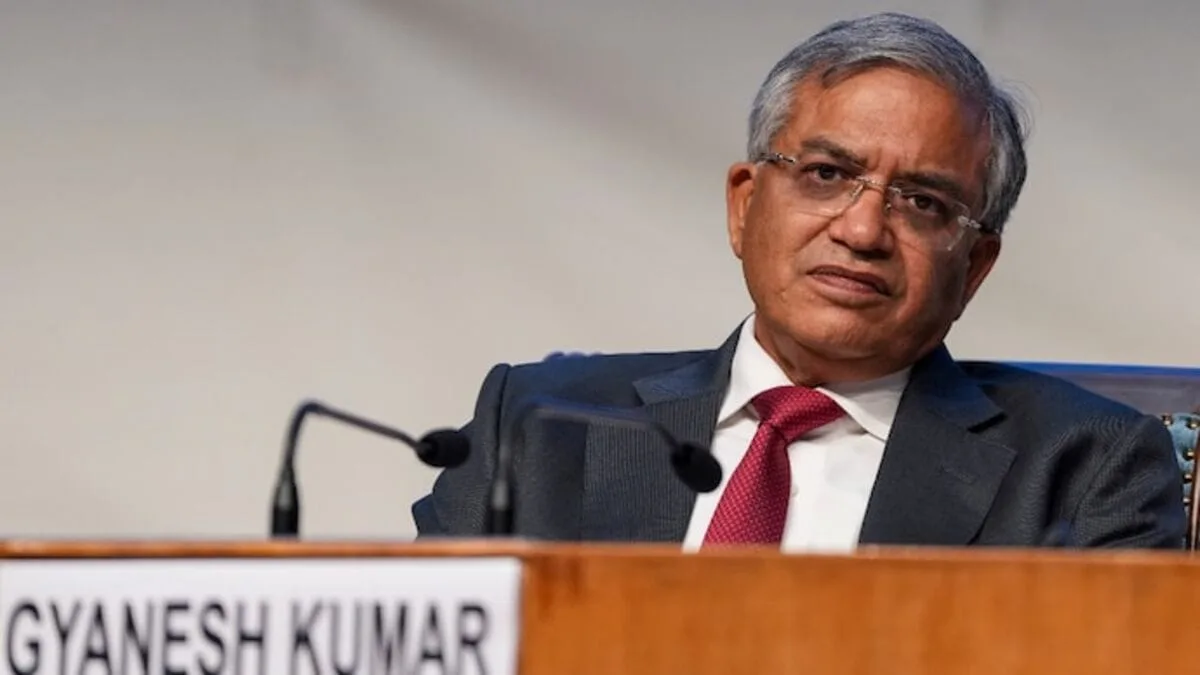
NEW DELHI: As the Opposition intensifies its protests demanding the resignation of Chief Election Commissioner Gyanesh Kumar over alleged irregularities in electoral rolls, 42 former judges and retired veterans of constitutional office have come forward in defence of the Election Commission and other constitutional institutions.
In a strongly worded open letter dated October 7, the former judges expressed “grave” concern over what they described as a sustained campaign against the Election Commission, judiciary and statutory bodies. Their intervention comes amid escalating Opposition protests over the Special Intensive Revision (SIR) of electoral rolls, with Opposition parties accusing the poll panel of undermining the electoral process. The signatories acknowledged that criticism of constitutional institutions is a legitimate part of democratic discourse but cautioned against personal attacks and attempts to delegitimise institutions.
#BREAKING: 42 former judges have signed an open letter expressing concern over allegations against the Election Commission and other constitutional institutions. They questioned claims of “vote theft” without supporting evidence, defended the legally established SIR exercise, and… pic.twitter.com/vGGHAzowd9
— IANS (@ians_india) October 8, 2026
“Criticism of institutions is a democratic right. Denigration is not,” the letter said, alleging that constitutional authorities were increasingly being branded as “thieves”, “puppets” and “compromised” from public platforms. The former judges also questioned the basis of allegations of “vote theft”, pointing out that such claims were being made at press conferences rather than before courts.
“Allegations of ‘vote theft’ are made at press conferences, not before courts. When the Commission seeks a sworn declaration, none is filed,” the letter said.
The signatories further questioned the repeated criticism of Electronic Voting Machines following electoral defeats, noting that victories secured through the same machines often do not attract similar objections.
The former judges strongly defended the Special Intensive Revision of electoral rolls, describing it as part of the legal framework governing electoral rolls. They referred to Section 21(3) of the Representation of the People Act, 1950, which empowers the Election Commission to revise electoral rolls.
According to the letter, the exercise is intended to remove the names of deceased voters, duplicate entries and people who have shifted residence, while ensuring that eligible citizens are included in the electoral rolls.
The signatories also said the Supreme Court had upheld SIR as lawful and within the Election Commission’s powers, with safeguards such as notice, hearing, objection and appeal.
‘Trust is the currency of democracy’
The letter issued a broader warning about the consequences of repeatedly casting doubt on electoral institutions. “Trust is the currency of democracy,” it said, warning that if citizens are repeatedly told that their votes do not count, they could lose faith in the electoral process.
“When the ballot loses meaning, the street gains it. Unrest begins with a narrative. Anarchic and fringe elements then occupy the vacuum,” the former judges said. The signatories urged political parties to pursue their grievances before the Election Commission and courts and place evidence on record rather than undermine public confidence in elections. “Contest elections. Do not delegitimise them,” they said.
The former judges also appealed to the media not to amplify unverified allegations, stressing that “a headline is not evidence, and repetition does not make an allegation the truth.”