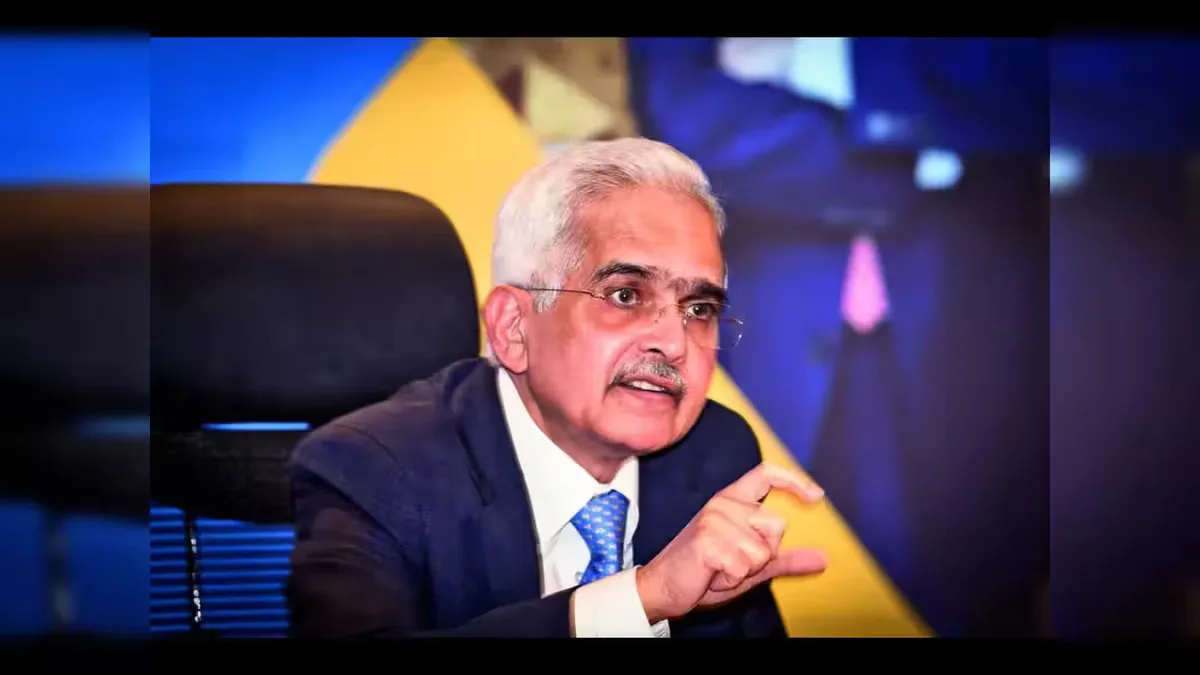
Principal Secretary-2 to Prime Minister Shaktikanta Das
NEW DELHI: India is stepping up efforts to build domestic capacity and self-reliance in strategically critical sectors, including the rare-earth permanent magnets, along with accelerating structural reforms to strengthen macroeconomic and financial stability. Principal Secretary-2 to Prime Minister Shaktikanta Das, speaking at the Kautilya Economic Conclave 2026 said that the push comes amid growing geopolitical tensions, supply-chain disruptions and to reduce India’s dependence on import of critical manufacturing inputs.
Shaktikanta Das said that the government was working to develop long-term domestic capabilities in sectors where India remains heavily dependent on imports, highlighting rare-earth permanent magnets as a key area of focus.
“We have done a lot on domestic capacity where we were largely import dependent and in building long-term capacity in areas where we are dependent on imports, like rare-earth permanent magnets”, Das said. He said that the government had moved quickly to address vulnerabilities exposed by disruptions in the global rare-earth supply chain. “The central government came out immediately thereafter with a major initiative to develop domestic capacity in rare earth permanent magnets”, Das said.
Rare-earth permanent magnets are crucial components in several strategic and high-technology industries, including automobiles, electric vehicles, electronic hardware, renewable energy equipment and advanced manufacturing. Their importance has increased as countries seek to secure critical supply chains amid intensifying geopolitical competition.
Das referred to restrictions imposed by China on rare-earth-related exports and said that the episode highlighted the extent of global dependence on Chinese supplies. “China had imposed certain restrictions. It was a problem for almost the whole world and because almost 80 to 90 per cent of rare earth magnet supply and that entire ecosystem originates in China”, he said.
China’s expanded rare-earth export controls announced in October 2025 further underscored the strategic importance of these materials. The measures covered additional rare-earth elements and related materials, including certain permanent magnet materials and components containing specified rare earths.
For India, developing domestic capabilities in rare-earth magnets is therefore emerging as an important component of strengthening the resilience of its manufacturing ecosystem and reducing vulnerabilities to external supply disruptions.
The government’s focus on reducing import dependence is also extending to the energy sector, with India seeking to expand domestic exploration and access to previously restricted areas. Das said that the government had approved the Samudra Manthan scheme and was opening up areas that were earlier classified as “no-go zones” for oil exploration.
“The government has approved the Samudra Manthan scheme. We had no-go zones in oil exploration. We are getting into deepwater exploration”, he said. Greater exploration of deepwater resources forms part of a broader effort to strengthen India’s energy security and reduce exposure to fluctuations in international energy markets.
Supply disruptions, geopolitical conflicts and volatile commodity prices have demonstrated the risks faced by economies that remain excessively dependent on external sources for critical energy requirements. The emphasis on domestic energy resources, alongside efforts to build capabilities in critical minerals and strategic manufacturing, reflects a wider attempt to strengthen India’s resilience against external shocks.
Das also stressed that the drive to strengthen domestic capacity should not be interpreted as a retreat from globalisation or a move towards protectionism. “Atmanirbharta does not mean isolation”, he said, emphasising that India’s objective was to build stronger domestic capabilities while remaining integrated with global markets.
According to Das, the approach would require India to simultaneously strengthen domestic productive capacity and expand its participation in global supply chains. Strategic manufacturing, defence production and critical technologies would remain important areas where domestic capabilities need to be deepened.
He also linked the strengthening of domestic capacity with the continuation of structural reforms designed to preserve India’s macroeconomic and financial stability. “We are continuing with structural reforms and developing domestic capacity where we were dependent on imports and building macroeconomic and macro-financial stability”, Das said.
Das attributed India’s economic resilience to a series of reforms undertaken over the past decade. He pointed to flexible inflation targeting, the Goods and Services Tax, digital payments, banking-sector reforms and fiscal consolidation as measures that helped create buffers before major external shocks emerged.
He said India’s economic resilience was “not accidental”, but the result of broad and mutually reinforcing reforms that strengthened the economy’s ability to withstand global uncertainty. Looking ahead, Das identified green hydrogen, sustainable agriculture and circular-economy practices as areas that could support India’s next phase of economic growth.
