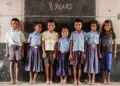
NEW DELHI: India is turning its vast network of Anganwadi centres into the frontline of a renewed battle against malnutrition, with Rashtriya Poshan Maah 2026 placing community ownership, dietary diversity, quality meals and early childhood development at the centre of the country’s nutrition agenda.
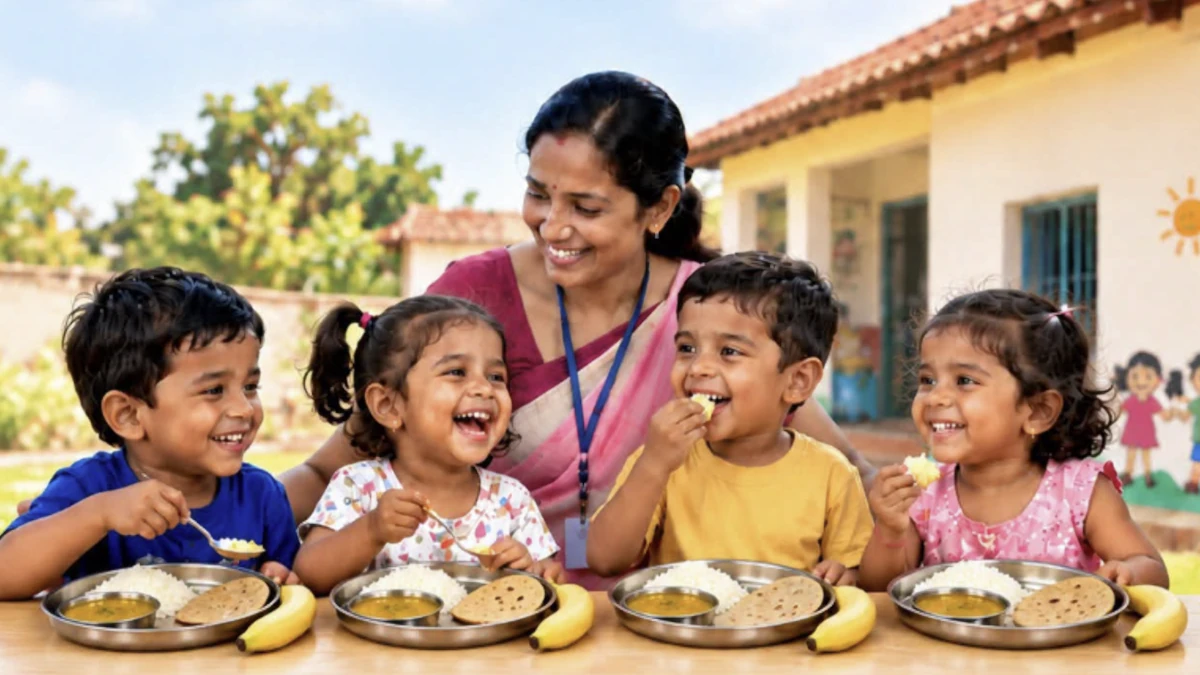
The 9th Rashtriya Poshan Maah, being observed in September under the theme “Hamari Anganwadi, Hamari Jimmedari”, seeks to transform Anganwadi Centres from mere service-delivery points into community hubs for nutrition, childcare, early learning and development.
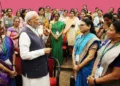
The campaign was launched on September 9 at the Rudraksh International Cooperation and Convention Centre in Varanasi, Uttar Pradesh, with a special focus on strengthening the role of Anganwadi Centres the backbone of India’s grassroots childcare and nutrition network.
Together, let’s champion better nutrition and build brighter, healthier futures for every child this #PoshanMaah2026✨
Let’s strengthen our collective commitment towards child nutrition and make every Anganwadi a centre of care, growth, and opportunity#RashtriyaPoshanMaah… pic.twitter.com/zthOtOolGv
— PIB India (@PIB_India) October 4, 2026
Making nutrition everyone’s responsibility
Malnutrition continues to affect children’s physical growth, cognitive development, learning and future productivity, making early intervention crucial. The government’s response has evolved from individual nutrition schemes into a broader, technology-backed and community-driven mission.
Launched in 2018, POSHAN Abhiyaan sought to bring nutrition to the centre of India’s development agenda through inter-ministerial convergence, technology and mass mobilisation. Under the Mission Poshan 2.0 framework introduced in the Union Budget 2021-22, POSHAN Abhiyaan, Anganwadi Services and the Scheme for Adolescent Girls were brought together under a unified nutrition framework.
The underlying message of Poshan Maah 2026 is clear: nutrition cannot be left to government systems alone. Families, communities, Panchayats, self-help groups and local institutions must become active stakeholders.
Five priorities, one larger goal
This year’s campaign is anchored in five mutually reinforcing priorities.
The first is dietary diversity and adequate protein, encouraging families to include cereals and millets, pulses, fruits and vegetables, nuts and seeds, milk products and eggs in daily diets. Anganwadi Centres will organise recipe demonstrations, Poshan Melas and awareness drives showcasing affordable, locally available protein-rich foods.
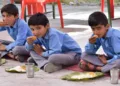
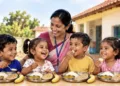
The second priority is improving the quality of fresh hot cooked meals served at Anganwadi Centres. States and Union Territories are being encouraged to introduce weekly menu rotation using local ingredients, millets, pulses and seasonal vegetables.
Community tasting sessions and food-quality testing are also proposed, with the aim of making meals not only nutritious but also fresh, hygienic and acceptable to children.
The third pillar is community ownership and accountability.
Newly constituted Anganwadi Management Committees (AMCs) are expected to play a greater role in monitoring nutrition services, mobilising beneficiaries and overseeing activities at the centres. The display of Supplementary Nutrition Programme menu boards is also intended to make daily entitlements and menus more transparent.
What a child eats and how a child learns
Perhaps the most significant shift in this year’s campaign is its emphasis on the direct relationship between nutrition and brain development.
The programme highlights the first 1,000 days and early childhood as critical periods for cognitive, motor and socio-emotional development. The revised Home Visit Scheduler, incorporating 34 developmental milestones for children aged 0–3 years, is intended to help Anganwadi Workers provide structured counselling and follow-up.
The campaign will also promote early childhood care and education through the Navchetna and Aadharshila curricula, while encouraging the identification and referral of children showing developmental delays.
The message is increasingly moving beyond the traditional understanding of nutrition as simply preventing hunger or underweight: a well-nourished child is better positioned to learn, develop and thrive.
A decade of PMMVY
Poshan Maah 2026 will also mark 10 years of the Pradhan Mantri Matru Vandana Yojana (PMMVY), the government’s flagship maternity benefit programme.
Special enrolment drives are planned to identify eligible pregnant and lactating women, while awareness campaigns will highlight PMMVY’s benefits, eligibility criteria and application process.
The focus reflects the wider understanding that a child’s nutritional journey begins before birth. Maternal nutrition, antenatal care and adequate support during pregnancy can have consequences extending throughout a child’s life.
Technology meets the Jan Andolan
Behind the massive grassroots campaign is an increasingly digital nutrition-monitoring system.
The Poshan Tracker, launched in March 2021, has become a key governance platform for monitoring Anganwadi infrastructure and service delivery. It tracks parameters ranging from children’s attendance and growth monitoring to early childhood education activities.
As of July 31, 2026, India had nearly 13.99 lakh Anganwadi Centres, supported by around 13.30 lakh Anganwadi Workers and reaching nearly 8.94 crore beneficiaries.
Children between six months and six years account for more than 7.2 crore beneficiaries, while pregnant women and lactating mothers together number nearly 1.1 crore. These figures underline the enormous scale of the country’s nutrition challenge and the equally enormous reach of the Anganwadi network.
From campaign to lasting change
Poshan Maah is part of a larger annual cycle of mobilisation. The 8th Poshan Pakhwada, held from April 9 to 23, 2026, focused on maximising brain development during the first six years of life, highlighting the importance of nutrition and early stimulation.
The previous Rashtriya Poshan Maah, launched in September 2025, focused on nutrition literacy, maternal nutrition, infant and young child feeding, early childhood care and education, and reducing excessive consumption of sugar and oil. More than 14.33 crore activities were conducted nationwide in convergence with over 20 ministries.
The scale of these campaigns points to a broader shift in India’s nutrition strategy from a government programme to a people’s movement.
With “Hamari Anganwadi, Hamari Jimmedari” as its rallying call, Poshan Maah 2026 is seeking to make every Anganwadi Centre a place where a child is not merely fed, but nurtured; where parents are not merely beneficiaries, but participants; and where nutrition, health, stimulation and early learning come together.