BEIRUT: A Syrian member of the Islamic State, or ISIS, was arrested in northern Lebanon on September 23, 2026, after being tasked with assassinating Pope Leo XIV during his visit to Lebanon in 2025, according to Lebanese security sources and media reports. The suspect, identified by the alias Al-Daamish, was placed under surveillance by Lebanese Army Intelligence after entering Lebanon illegally and reconnecting with ISIS commanders in Syria.
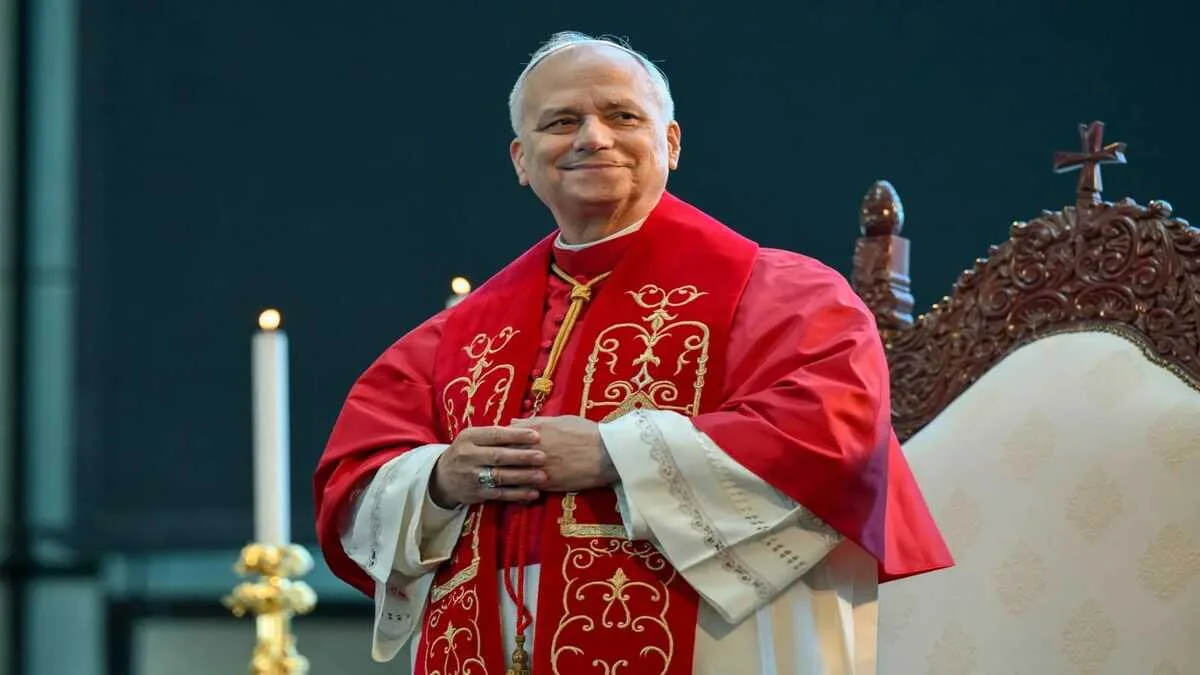
Pope Leo XIV, whose name is Robert Francis Prevost, visited Lebanon from November 30 to December 2, 2025, during his first foreign journey as pontiff. According to the reports, ISIS commanders in Syria assigned Al-Daamish to prepare an assassination operation targeting Leo XIV during the pope’s Lebanon visit. Investigators learned of the ISIS plot after the suspect was questioned following his arrest.
The detainee told investigators that he had begun preparing for the assassination but was unable to reach the execution stage. A security source cited in reports said the operation did not proceed because circumstances did not allow the suspect to carry it out. Lebanese Army Intelligence maintained surveillance of Al-Daamish before arresting him in northern Lebanon.
ISIS operative studied Pope’s route in Lebanon
According to Lebanese media reports, Al-Daamish had conducted surveillance and field reconnaissance around locations that Pope Leo XIV was scheduled to visit during his Lebanon trip. He sought a weakness in the security arrangements surrounding the pontiff, but the heavy deployment of Lebanese security forces and strict measures during the visit prevented the ISIS assassination plan from being executed.
The schedule for Leo XIV in Lebanon included meetings with senior Lebanese officials and Catholic patriarchs, visits to monasteries and religious shrines, a gathering with around 12,000 young people and a holy mass. The events took place at multiple locations across Lebanon, requiring extensive security arrangements throughout the pope’s visit.
Lebanese reports said the suspect’s mobile phone was examined after his arrest and that he was subsequently handed over to the Military Court. He is expected to face charges including membership in a terrorist organisation and planning terrorist operations, with reports also linking the case to an attempted assassination of an international religious figure.
Al-Daamish’s ISIS links and Syria connection
Al-Daamish was a senior ISIS figure who previously held the position of deputy governor of Aleppo within the organisation. Reports said he began his activities with the Nusra Front before joining ISIS in Syria. He was subsequently arrested by the security apparatus of the former Syrian government and spent three years in prison.
Following the collapse of Bashar al-Assad’s government in December 2024, Al-Daamish escaped from prison and entered Lebanon illegally. After settling in Lebanon, he re-established contact with ISIS leaders in Syria and received instructions directly from an ISIS commander. Lebanese reports said the assassination assignment against Leo XIV was subsequently given to him.
The reported ISIS plot also involved operations intended to destabilise security in Lebanon. A Lebanese security source said the presence of ISIS operatives or individuals holding similar beliefs remained a concern, describing some as dormant cells while saying authorities remained on alert.
Lebanon has faced attacks by jihadist groups since the outbreak of the Syrian civil war in 2011. Suicide bombings and attacks involving booby-trapped vehicles occurred in populated areas, including Beirut’s southern suburbs. Although ISIS did not establish a lasting territorial foothold in Lebanon, Lebanese Army Intelligence has arrested ISIS operatives and other members of the organisation in recent years.
The Lebanese Army has also previously fought jihadist groups inside the country. In 2007, it conducted a three-month battle against Fatah al-Islam, an al-Qaeda-inspired Sunni Islamist group, at the Nahr al-Bared Palestinian refugee camp near Tripoli in northern Lebanon. The fighting ended with the Army regaining control of the camp and left 171 soldiers dead and hundreds wounded. The latest assassination plot has placed renewed attention on the activities of ISIS-linked networks operating between Syria and Lebanon.