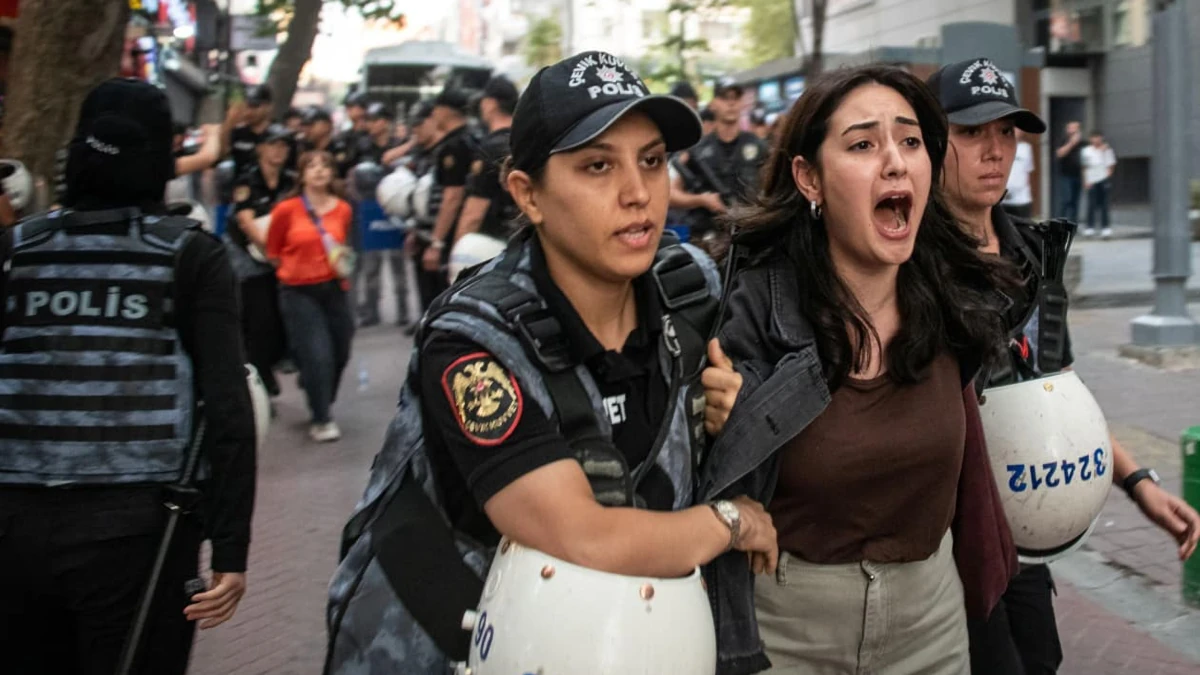
Turkish authorities have launched a nationwide crackdown targeting the LGBTQ+ community, with judicial proceedings initiated against 162 suspects, nine associations and 13 businesses across 15 provinces. The operation, carried out on September 13, 2026, included raids on LGBTQ+ organisations, activists’ homes, gay bars, nightclubs and a hammam allegedly linked to prostitution. Six LGBTQ+ association offices were searched, while access to numerous websites and social-media accounts associated with LGBTQ rights groups was also blocked.
Turkish Justice Minister Akin Gurlek said the investigations were coordinated by prosecutors in Istanbul, Ankara, Izmir, Aydin and Mersin. Authorities said the investigation was prompted by allegations involving prostitution and obscenity. Gurlek said police and gendarmerie operations involved searches, seizures and judicial proceedings, with authorities claiming that the constitutional duty to protect families and children required action against criminal organisations, abuse networks and illegal activities targeting children, young people or families.
Sharia, Islam and Turkey’s LGBTQ+ law debate
The operation, officially called “My Family is Safe,” has been linked by the Turkish government to President Recep Tayyip Erdogan’s “Decade of Family and Population” programme, which seeks to address Turkey’s sharply falling birth rate and demographic ageing. Authorities said the campaign was intended to prevent LGBTQ+ activity from being treated as “normal” and to protect children, the institution of the family and shared moral values.
The crackdown has also renewed debate over Islam, Sharia and LGBTQ+ rights in Turkey. In classical interpretations of Sharia law, same-sex sexual activity is prohibited and, under some traditional Islamic jurisprudential positions, certain forms of same-sex sexual conduct have historically attracted severe punishments, including the death penalty.
Breaking Rap-A-Report:
Erdogan’s Turkey has detained at least 47 people in raids targeting LGBTQ organizations, private homes, bars and even a bathhouse.
Meanwhile, Israel, the country LGBTQ activists love to demonize, is the only place in the region where they can live openly… pic.twitter.com/oK0J8Y7WpZ
— MichaelRapaport (@MichaelRapaport) September 15, 2026
However, Turkey is constitutionally a secular republic, and same-sex relations are not criminalised under Turkish law. The present LGBTQ+ crackdown therefore operates through allegations such as prostitution, obscenity, public-order offences and alleged protection of children rather than through a Sharia criminal provision.
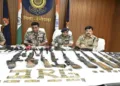
Authorities said drugs, digital equipment, smuggled alcohol and a gun were seized during the operations. The Istanbul prosecutor’s office also claimed that investigators found evidence suggesting that children and minors were being inappropriately influenced on questions relating to sexual orientation and gender identity. Kaos GL, however, said it had been accused of making “posts containing obscenities” accessible to children, while LGBTQ+ rights organisations rejected the broader targeting of their community.
Kaos GL reported that the crackdown extended beyond physical raids. On September 12, access was blocked to websites and social-media accounts belonging to several LGBTQ+ organisations, media outlets, student groups, rights defenders and activists. The organisation said police subsequently raided homes and offices, including the Kaos GL office, and seized phones, computers, tablets, USB drives and other digital equipment.
LGBTQ+ rights, repression and Turkey’s birth-rate crisis
The government’s campaign comes amid increasingly hostile rhetoric towards the LGBTQ+ community. Erdogan has blamed what he has described as LGBTQ+ “perverts” for Turkey’s declining birth rate. His government has also presented the issue as part of a wider struggle over family structure, morality, children and social values. Erdogan has been president since 2014 and previously served as prime minister for about a decade.
Turkey’s fertility decline, however, has coincided with broader economic and social changes. TurkStat recorded a fall in the total fertility rate from 2.11 in 2013 to 1.51 in 2023. Observers cited in the reporting point to worsening economic conditions, inflation, rapidly increasing housing costs, family-unfriendly workplaces, limited affordable childcare and rising educational and employment levels among women as factors influencing decisions about when and whether to have children.
Rights groups say the LGBTQ+ community is being unfairly targeted and warn that the restrictions represent growing repression of LGBTQ+ rights and civil society. The September 13 operation followed a series of earlier restrictions on LGBTQ+ activities in Turkey. While the government presents the measures through the language of family protection, Islam, morality, children and public order, LGBTQ+ organisations argue that the actions have expanded beyond individual criminal allegations to affect rights groups, activists, digital platforms and LGBTQ+ advocacy itself.