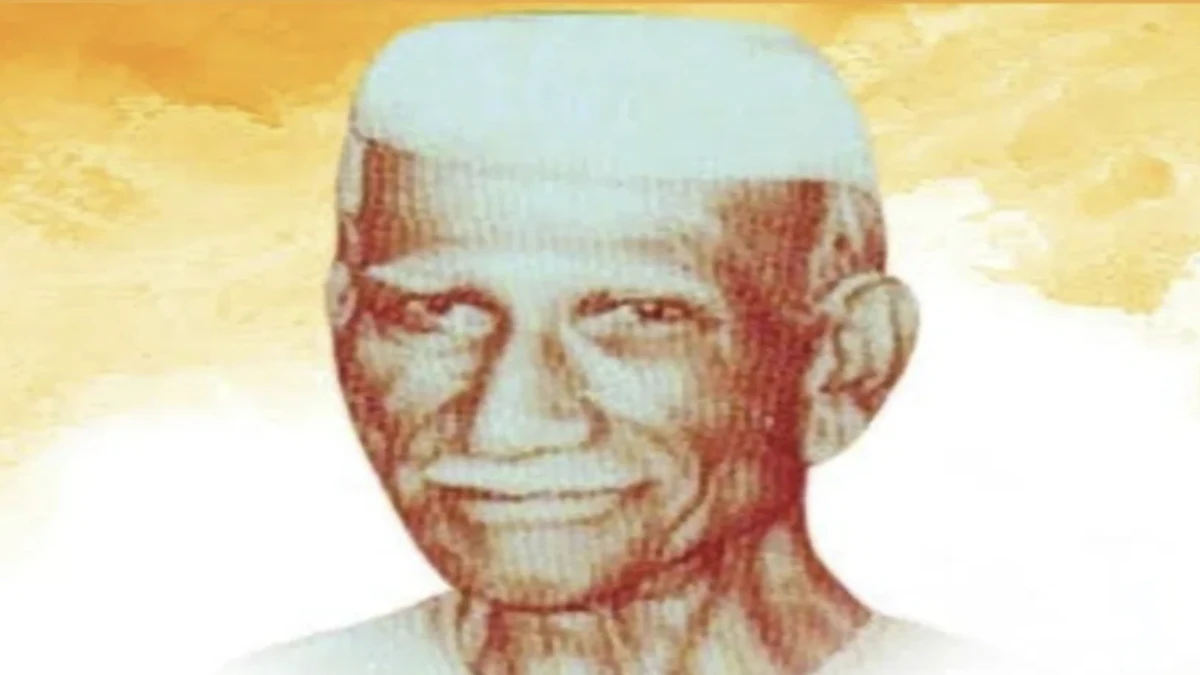
NEW DELHI: Long before the Tricolour became a symbol of independent India, it was also given a voice through poetry. That voice came from Shyamlal Gupta ‘Parshad’, whose celebrated Flag Song became deeply associated with India’s freedom movement and the nation’s patriotic spirit.
Born on September 16, 1893, in Narwal, Kanpur, Uttar Pradesh, Parshad is remembered for turning his pen into an instrument of patriotism at a time when India’s struggle for freedom was gathering momentum. His story is particularly striking because the iconic song was reportedly born behind the walls of a prison.
विजयी विश्व तिरंगा प्यारा, झंडा ऊंचा रहे हमारा! 🇮🇳भारतीय स्वतंत्रता संग्राम में अपनी लेखनी से करोड़ों दिलों में देशभक्ति की अलख जगाने वाले, अमर 'झंडा गीत' के रचयिता आदरणीय श्यामलाल गुप्त 'पार्षद' जी की जयंती पर उन्हें कोटि-कोटि नमन। आज ही के दिन 16 सितम्बर 1893 को उत्तर प्रदेश के… pic.twitter.com/katAMTHIeM
— Rashtra Sevika Samiti Delhi Prant (@sevikasamiti) September 15, 2026
A patriotic song born in a jail cell
In March 1924, while lodged in Fatehpur District Jail, Shyamlal Gupta ‘Parshad’ composed the verses that would later become India’s celebrated Flag Song. Written during the freedom struggle, the song captured the emotions of a nation seeking independence and gave expression to the pride associated with the national flag.
What began as words written by a freedom-era poet would eventually become a song sung collectively by thousands.
From Kanpur to the national movement
The song was first sung collectively at the 1925 Kanpur Congress Conference, marking an important moment in its journey from poetry to a symbol of the national movement. Its significance grew further at the 1938 Haripura session of the Indian National Congress, presided over by Netaji Subhas Chandra Bose, when it was officially adopted as the Flag Song.
With its association with the Tricolour and the freedom movement, Parshad’s composition became part of the country’s patriotic heritage.
A legacy honoured by the nation
Decades after he put his patriotic convictions into verse, Shyamlal Gupta ‘Parshad’ received national recognition for his contribution. In 1969, the Government of India honoured him with the Padma Shri. His legacy, however, extends beyond an award or a single composition. His story represents an era in which poets, writers and artists used their words to strengthen the spirit of a country fighting for freedom.
On his birth anniversary, his contribution offers a reminder of the powerful connection between patriotism, literature and national identity.
As India remembers the poet behind the Flag Song, the occasion also turns attention to the enduring symbolism of the Tricolour a flag that came to represent the sacrifices of the freedom movement and the aspirations of an independent nation.
From a jail cell in 1924 to generations singing his words, Shyamlal Gupta ‘Parshad’ left behind a legacy in which poetry became patriotism and the Tricolour found its voice.