For centuries, Ganga has occupied a unique place in Bharat’s civilisational, cultural and social life. Its waters have sustained generations of communities, supported agriculture and livelihoods, shaped settlements and remained closely connected with religious traditions and everyday life. From the Himalayas to the plains and onward to the sea, the river is deeply woven into the social and cultural landscape of the country.
At the same time, the ecological pressures facing the Ganga have grown significantly over the decades. Rapid urbanisation, increasing population, untreated sewage, pollution, industrial activity and unplanned development have placed considerable pressure on the river and its surrounding ecosystems. Protecting the Ganga, therefore, requires interventions that go beyond cleaning specific stretches of the river.
It is against this larger challenge that the Namami Gange Programme, launched in 2014, has approached the rejuvenation of the Ganga and its tributaries as a comprehensive conservation mission. The programme combines pollution abatement and sewage treatment with ecological restoration, afforestation, riverfront development, biodiversity conservation and scientific monitoring.
But physical infrastructure and government intervention can only address part of the challenge. The long-term health of a river also depends on the behaviour and participation of the communities living along it.
This is where Jan Ganga, the public participation pillar of Namami Gange, assumes importance.
Built around the principle of Jan Bhagidari, or people’s participation, the initiative seeks to make communities active stakeholders in river conservation. The idea is to move the public from simply being aware of the need to protect rivers to actively participating in conservation and eventually developing a sense of collective ownership.
From awareness to collective action
One of the central ideas behind Jan Ganga is that river conservation cannot remain limited to government departments, specialised agencies or occasional campaigns. It needs to become part of everyday civic behaviour.
Public participation has consequently been encouraged through a range of activities, including cleanliness campaigns, plantation drives, educational programmes, awareness initiatives and community events. These activities bring together students, volunteers, local residents, institutions and other stakeholders.
The objective is not simply to clean a particular riverbank on a particular day. Instead, such activities seek to establish a continuing connection between local communities and the rivers around them.
An important platform for this engagement is Ganga Swachhta Pakhwada, observed every year from March 16 to 31. The fortnight-long campaign brings together people and institutions across the main-stem Ganga basin States of Uttarakhand, Uttar Pradesh, Bihar, Jharkhand and West Bengal, along with the National Capital Territory of Delhi and towns located along the Ganga’s tributaries.
During the campaign, cleanliness activities, awareness programmes, educational events and other public initiatives are organised to highlight the importance of keeping rivers and their surroundings clean.
The significance of such campaigns lies in their ability to connect the larger objective of river rejuvenation with actions that people can undertake locally. A resident may not be directly involved in sewage treatment infrastructure or scientific river monitoring, but can participate in keeping a riverbank clean, reducing waste or encouraging others to adopt responsible practices.
The approach therefore attempts to make river conservation a shared responsibility rather than a task assigned exclusively to the government.
Regular engagement rather than one-day campaigns
The public participation approach is also being extended beyond annual observances.
Weekly cleanliness drives along the Yamuna in Delhi provide an example of efforts to maintain regular community engagement. Such initiatives seek to encourage people to participate in keeping river stretches and their surroundings clean on a continuing basis.
This distinction is important because river conservation cannot be sustained through occasional campaigns alone. A river may be cleaned on one day, but maintaining its ecological health requires regular attention to waste disposal, pollution, vegetation, biodiversity and the condition of surrounding areas.
By creating opportunities for recurring participation, Jan Ganga seeks to establish conservation as an ongoing community activity.
The broader idea is that public involvement should become habitual rather than event-driven.
From cleaning rivers to restoring river ecosystems
The Jan Ganga approach also extends beyond cleanliness.
River health is closely connected with the condition of the land and ecosystems surrounding it. Vegetation along riverbanks can help stabilise soil and reduce erosion, while healthy ecosystems provide important habitats for biodiversity.
Plantation activities have consequently become an important component of public participation under Namami Gange.
Campaigns such as Ek Ped Maa Ke Naam have provided another avenue for involving citizens in plantation. By encouraging people to plant trees as a tribute to their mothers, the initiative connects an environmental activity with a personal and emotional association.
This kind of messaging seeks to make environmental action more relatable. Instead of presenting conservation only through technical or scientific terminology, it connects individual emotions and community participation with the larger objective of protecting nature.
World Environment Day also provides an opportunity for plantation drives, awareness programmes and community activities. Such observances help keep environmental issues in the public conversation while giving citizens opportunities to participate directly.
The larger objective is to ensure that conservation is understood not only as keeping water clean but also as protecting the ecological systems that sustain rivers.
Bringing young people into river conservation
A major focus of Jan Ganga is the involvement of young people.
The sustainability of any long-term environmental movement depends heavily on the next generation. Awareness created among children, students and young adults can influence attitudes towards water, waste, forests, biodiversity and public spaces well beyond their school or college years.
Schools, colleges and universities therefore provide important platforms for the programme.
Students can participate in activities such as essay writing, painting, poster-making, debates and awareness programmes centred on rivers and the environment. Such activities allow environmental themes to become part of educational and creative engagement.
Experiential learning is another important element. When students visit river sites or participate in field-based activities, environmental issues can move from classroom concepts to real-world experiences.
This can help students understand that pollution is not an abstract problem but something that affects communities, biodiversity and ecosystems.
University Ganga Clubs and youth networks
University Ganga Clubs provide another platform for sustained youth engagement.
Through lectures, field visits, volunteering activities and outreach programmes, these clubs seek to encourage students to understand the importance of river conservation and participate in related activities.
Eco-clubs, National Cadet Corps units and educational institutions also contribute to this wider network of youth participation.
The emphasis is therefore not simply on telling young people that rivers need to be protected. It is about creating opportunities for them to participate, learn and communicate environmental messages within their own institutions and communities.
Over time, such participation can help create a generation that sees river conservation as part of civic responsibility.
Reconnecting conservation with the cultural identity of the Ganga
The Ganga’s importance cannot be separated from its cultural history.
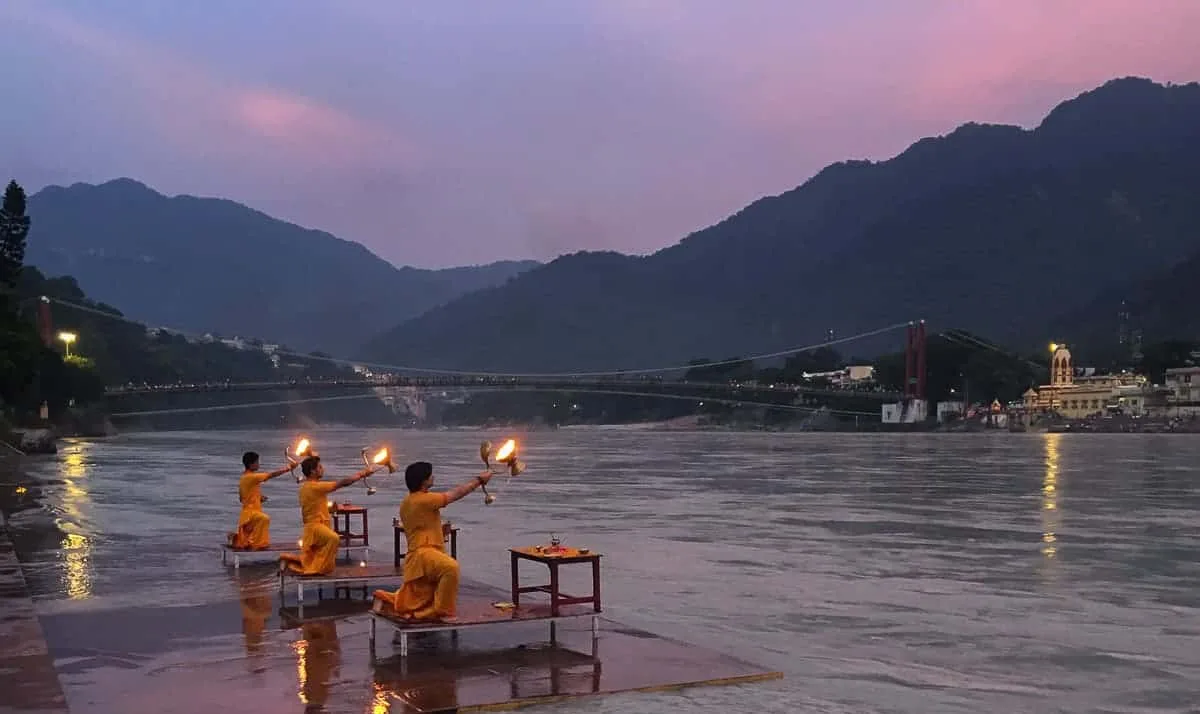
For millions of people, the river represents an important part of India’s cultural and spiritual traditions. Jan Ganga uses this longstanding connection as one of the avenues for encouraging public participation.
Ganga Utsav is among the major platforms through which this connection is celebrated.
The event commemorates the recognition of the Ganga as India’s National River and brings communities together through cultural performances, exhibitions, art competitions and public discussions.
Such programmes create a space where environmental conservation and cultural engagement can come together.
Other public observances, including Swachhta Hi Seva and the International Day of Yoga, also provide opportunities for environmental awareness and participation.
The underlying approach is to ensure that river conservation remains connected with people’s cultural and social relationship with rivers rather than being presented only as an environmental or administrative issue.
Experiential initiatives create a deeper connection
Another dimension of the public participation strategy has been the use of experiential initiatives that allow people to engage directly with the river.
One such example was an all-women river rafting expedition organised by the Border Security Force along the Ganga, covering the river from its upper reaches to the sea.
Such an expedition highlighted themes of courage, teamwork and environmental responsibility. It also provided opportunities for interaction with students, local residents and young volunteers along the river’s course.
Initiatives of this nature can help present the Ganga as a living ecological system and shared heritage rather than simply a water resource.
The river connects different regions, communities and landscapes. Experiencing that continuity can strengthen public understanding of why conservation needs to extend across the entire river basin.
Community volunteers as guardians of the river
At the grassroots level, community volunteers form an important part of the Jan Ganga approach.
Ganga Praharis work with local communities to promote environmental awareness, encourage responsible practices and contribute to the protection of biodiversity.
Their role is particularly important because local residents often have a close and continuing relationship with the river and surrounding ecosystems. They can therefore serve as a link between formal conservation efforts and community-level action.
Ganga Seva Doots complement these efforts by taking awareness activities into schools, institutions and neighbourhoods.
Their outreach helps ensure that conservation messaging does not remain confined to government programmes or major public events. Instead, it can reach people in their everyday environments.
The work of these volunteer networks also extends to issues such as aquatic life, habitat protection and ecological balance.
Together, these networks represent the practical side of Jan Bhagidari. They demonstrate how citizens can participate in conservation rather than simply being recipients of awareness campaigns.
Why community ownership matters
River rejuvenation involves complex scientific, administrative and infrastructural challenges.
Sewage treatment plants, pollution-control measures, scientific monitoring, ecological restoration and afforestation are all important components of the effort to improve river health. But even the strongest infrastructure cannot guarantee lasting results if communities continue practices that contribute to pollution and ecological degradation.
This is why public behaviour and community ownership matter.
A river can be protected more effectively when the people living alongside it see themselves as stakeholders in its future. That means understanding the consequences of waste disposal, protecting riverbanks, supporting biodiversity and participating in local conservation activities.
The Jan Ganga approach seeks to build precisely this connection.
Its larger objective is to create a transition from awareness to participation and from participation to ownership.
Beyond the idea of a cleaning campaign
The evolution of the public participation component of Namami Gange reflects a broader understanding of what river rejuvenation means.
The Ganga cannot be restored simply by removing visible waste from its surface. Its health is connected with sewage management, industrial pollution, groundwater, river flows, wetlands, forests, biodiversity and the behaviour of millions of people living across the basin.
That makes public participation an essential complement to infrastructure and scientific interventions.
When students participate in a river awareness programme, when volunteers organise a cleanliness drive, when communities plant trees along river stretches, or when local citizens work to protect biodiversity, each activity contributes to a broader culture of stewardship.
The impact of these actions may not always be immediately visible. But their significance lies in building habits and creating a sustained public constituency for river conservation.
Building a culture of river stewardship
The central challenge for any large-scale conservation programme is continuity.
Campaigns can generate attention, but lasting environmental improvement requires institutions and communities to remain engaged after the campaign ends.
Jan Ganga’s emphasis on public participation seeks to address this challenge by creating multiple avenues for continued engagement: annual campaigns, weekly cleanliness drives, plantation initiatives, youth programmes, cultural events, educational platforms and volunteer networks.
Together, these initiatives seek to change the way people relate to rivers.
The goal is not to replace government responsibility with citizen participation. Rather, it is to complement institutional action with community stewardship.
Government agencies can build infrastructure and establish conservation programmes. Scientists can monitor river health. Administrators can enforce environmental rules. But communities living along the river ultimately play a critical role in determining whether conservation gains can be sustained.
The Ganga’s future therefore depends on both institutional intervention and public participation.
From Jan Bhagidari to collective ownership
The idea behind Jan Ganga is ultimately broader than a series of cleanliness or awareness activities.
It seeks to create a relationship in which people see the river as something they have a responsibility to protect.
That shift is important. Awareness tells people that a problem exists. Participation gives them an opportunity to act. Ownership creates a longer-term sense of responsibility.
The Namami Gange Programme’s public participation initiatives are aimed at encouraging this progression.
The Ganga has sustained Indian civilisation for centuries. Its conservation, therefore, is not only an environmental challenge but also a question of protecting a shared ecological and cultural heritage.
The larger ambition of Jan Ganga is to ensure that responsibility for that heritage is not confined to government offices or specialised institutions. It should extend to schools, universities, neighbourhoods, volunteers, families and communities living along the river and its tributaries.
The ultimate measure of a people’s movement is whether people continue to act even when there is no campaign, event or official programme asking them to do so.
That is the larger journey Jan Ganga seeks to enable, from awareness, to participation, to stewardship, and finally to a shared sense of ownership of India’s rivers.