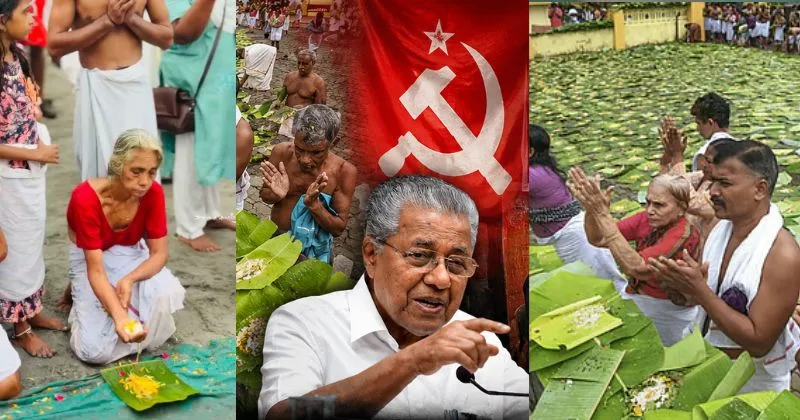
Fundraiser at Hindu cost — that is what unfolded in Keralam’s Kannur, the Left’s so-called Red Fort, on a day when Hindus pause to remember, honour and perform rituals for their departed ancestors.
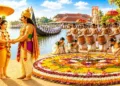
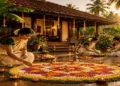
Skipping the ‘Athapookalam’, traditionally considered the beginning of the Onam festivities, the CPIM, along with its student and youth wing DYFI, organised a ‘pork challenge’ instead — Showing blatant insensitivity towards Hindu religious sentiments.
Two CPM-controlled reading rooms — Karavur AKG Library and Nidioti Gramodharana Library of Padiyur in the Iringur region — organised the pork sale on Karkidaka Vavu, the day when Hindus traditionally perform Pitru Tharpanam to honour their ancestors.
Pork was supplied at ₹370 per kg, with club officials stating that the profits would be used to prepare the upcoming Onam feast and fund Onam celebrations — it wasn’t an accident of scheduling, for sure, they could have moved the pork fest before or after Vavu Bali day. But they didn’t do that. The event’s own publicity noted it would fall on Vavu day.
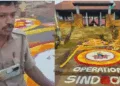
Pork Fest — The scene at Padiyoor
The booking for the pork fest began early in the morning, and by the end of the day, reports suggested that hundreds of bookings had been made. At the same time, the CPIM had also arranged extensive facilities for devotees attending Bali Tarpanam at Payyambalam. The IRPC provided tea, snacks, parking and medical assistance to those who came to perform the Tharpanam imitating Seva Bharati. Payyambalam is located not far from Padiyoor, where the pork fest was being held.
The stark contrast between the two scenes exposes the CPIM’s blatant double standards. While one arm of the party projected itself as standing with devotees performing Bali Tharpanam by providing basic facilities, its affiliated cultural centres were simultaneously selling pork nearby on the very day Hindus were observing ancestral rituals.
It wasn’t the first time. A pork-sale fundraiser was organised by the DYFI, the party’s youth wing, for Wayanad landslide rehabilitation earlier this year. This time, though, the optics were sharper: an Onam-season event that had traditionally been a flower-arranging contest was now a meat sale, landing on the one day of the year when a large section of Kerala’s Hindus are fasting, visiting temples, or performing rites for the dead.
The bigger picture
Karkidaka Vavu predates any party. It’s an old, ecologically simple ritual — biodegradable offerings, no idols, no spectacle — performed by people trying to hold on to a thread back to their dead during the hardest month of the Malayalam calendar, Karkidakam, historically associated with rain, illness and scarcity. Onam, arriving right after, is supposed to be the release from that: abundance, homecoming, a flower carpet at every doorstep regardless of caste or party.