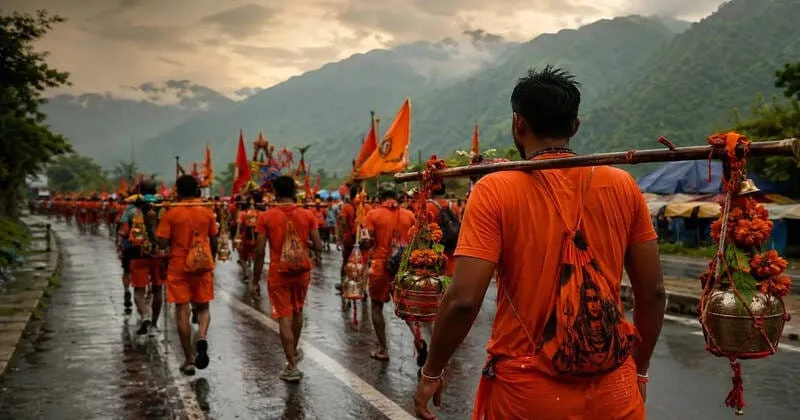
In the Sanatan tradition of India, the Kanwar Yatra is not merely an expression of devotion and reverence towards Bhagwan Shiva; it is also a powerful symbol of discipline, self-restraint, service, collective spirit, and respect for nature. When viewed through the lens of modern science and sociology, this pilgrimage emerges as a living example of a healthy lifestyle, mental well-being, social harmony, and environmental responsibility. The need of the hour is to ensure that these positive values of the pilgrimage are not confined to a few days during the holy month of Shravan but become an integral part of our daily lives.
One of the most significant aspects of the Kanwar Yatra is physical activity. Walking hundreds of kilometres activates the heart, lungs, muscles, and metabolic system. Medical science also recognises that regular walking can help reduce the risk of diabetes, hypertension, obesity, and cardiovascular diseases. Therefore, the message of the Kanwar Yatra should extend beyond the pilgrimage itself and inspire people to adopt regular physical activity throughout the year.
The pilgrimage also offers valuable lessons for mental health. Collective prayers, devotional singing, the resonant chants of “Bol Bam,” and moving forward with a shared purpose strengthen positive emotions and foster a sense of social connectedness. Psychology suggests that activities such as social participation, meditation, prayer, and yoga can play an important role in stress management and emotional well-being. At a time when stress, depression, and loneliness are on the rise, incorporating these positive practices into everyday life has become an urgent necessity.
The Kanwar Yatra is also an excellent example of a disciplined way of living. Pilgrims follow a structured daily routine, consume simple vegetarian food, practice self-restraint, and remain dedicated to their spiritual goal. If such discipline, balanced nutrition, regular routines, and self-control become permanent features of daily life, both personal health and productivity can be significantly enhanced.
The pilgrimage also has a profound social dimension. People from different castes, languages, age groups, and economic backgrounds walk together with a common purpose. Along the route, service camps provide food, drinking water, and basic medical assistance to all without discrimination. This tradition reflects the Indian ethos of selfless service and social harmony. If the same spirit of cooperation and voluntary service were sustained throughout the year in hospitals, schools, old-age homes, environmental campaigns, and other community initiatives, society would become more compassionate and resilient.
The tradition of carrying the sacred water of the Ganga or any holy river also conveys a cultural message of reverence for water and its conservation. At a time when water scarcity has become a global challenge, this practice inspires people to use water wisely, promote rainwater harvesting, and maintain the cleanliness of rivers and other water bodies. This harmonious integration of faith and environmental conservation is especially relevant in today’s world.
Living with limited resources during the pilgrimage, spending time close to nature, and the relatively limited use of digital devices by many pilgrims also hold significance in the context of modern lifestyles. The concept of “digital detox” is now gaining global attention. If families consciously spend some time each week away from mobile phones and social media, dedicating that time to meaningful conversations, reading, nature, and shared family activities, it can contribute significantly to better mental health and stronger family relationships.
Carrying the Kanwar balanced across both shoulders is not merely a matter of physical equilibrium; it is also a metaphor for balance in life. It reminds us that just as the weight of the Kanwar must be evenly distributed, life too requires a balance between work and rest, rights and responsibilities, material progress and spiritual values.
In essence, the Kanwar Yatra can be viewed not merely as a religious event but also as an annual training program in life management. If the healthy practices adopted during the pilgrimage,such as regular walking, yoga and meditation, a disciplined lifestyle, selfless service, environmental conservation, and social responsibility, become part of everyday life, the impact of this tradition would be far more extensive, enduring, and meaningful.
The true message of the Kanwar Yatra is that religion is not confined to rituals of worship; it also inspires people to lead a responsible life toward fellow human beings, society, and nature. When discipline becomes part of our daily routine, service becomes our instinct, environmental protection our duty, and health our priority, only then will the true purpose of the Kanwar Yatra be fully realised. It will no longer remain merely a religious pilgrimage of the month of Shravan, but will become a continuing source of inspiration for building a healthier, more balanced, compassionate, and responsible India.