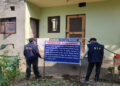
Ballari: The National Investigation Agency (NIA) on Wednesday carried out a fresh search at the residence of Abdul Salam in the Kaul Bazar area of Ballari as part of its ongoing investigation into an alleged online radicalisation and terror network with links to banned extremist organisations. During the search, the agency seized a mobile phone and other digital material for forensic examination.
The raid is linked to an NIA investigation that originated from a case registered against Rehmatullah Sharif of Andhra Pradesh’s NTR district. Investigators suspect that the accused was involved in spreading radical ideology through online platforms and maintaining links with members of banned terrorist organisations.
According to investigators, the probe revealed that Abdul Salam of Ballari was allegedly in close contact with Rehmatullah Sharif. Based on the evidence collected during the investigation, NIA officials arrested Abdul Salam on March 26 this year. He has since been lodged in judicial custody while the investigation into the wider network continues.
Although Abdul Salam remains in judicial custody, NIA officials revisited his residence on Wednesday to collect additional evidence. Officials conducted a detailed search of the premises for several hours before seizing a mobile phone believed to contain information relevant to the investigation. The electronic device will now undergo forensic analysis to ascertain whether it contains communication records, digital documents or other material connected to the case.
Sources said the agency is examining whether the accused had links with individuals involved in online radicalisation modules operating across different states. Investigators are also analysing digital footprints, encrypted messaging applications and social media activity as part of the probe.
The search in Ballari comes amid the Centre’s continued crackdown on alleged terror networks, online recruitment and radicalisation activities. The NIA has intensified investigations into cases involving the use of digital platforms for spreading extremist propaganda and recruiting vulnerable youth.
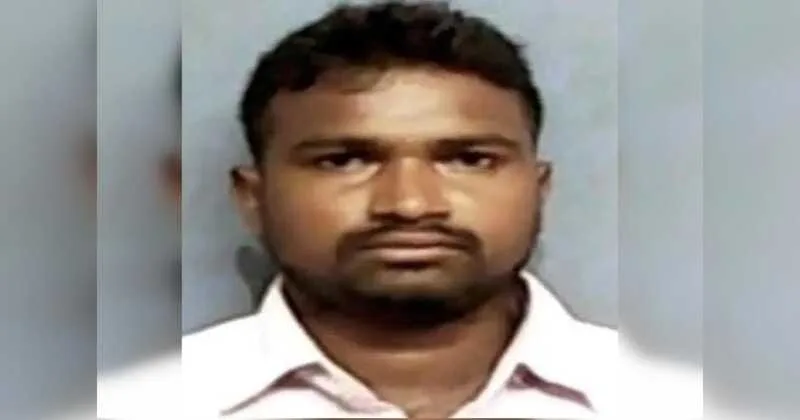
Meanwhile, in a separate development, the Union Ministry of Home Affairs recently designated Mohammed Shahid Faisal, an engineer educated at Ramaiah Institute of Technology in Bengaluru, as a terrorist under the provisions of the Unlawful Activities (Prevention) Act (UAPA). According to the MHA, Faisal allegedly left India and is currently based in Pakistan. He has been identified as one of the key handlers linked to the 2024 Rameshwaram Cafe blast case.
Investigators have alleged that Faisal, despite his educational background and affluent family, became involved in terrorist activities after undergoing radicalisation. Officials say the case highlights that radicalisation can affect individuals irrespective of their educational qualifications or economic background.
He is Mohammed Shahid Faisal, an engineer who studied at Ramaiah Institute of Technology, Bengaluru.
He left India, never returned, and is now living in Pakistan.
He is one of the key handlers of the Rameshwaram Cafe blast in 2024. The MHA has now included him in its list of… pic.twitter.com/NFjwlwdG95
— Anshul Saxena (@AskAnshul) July 6, 2026
Security agencies have repeatedly warned that extremist organisations are increasingly using encrypted communication platforms, social media networks and online forums to indoctrinate and recruit individuals. Investigations in several recent terror cases have pointed towards digital radicalisation as a major concern.
Officials, however, clarified that the Ballari search is part of an ongoing investigation and that further details would emerge only after forensic examination of the seized devices and completion of the probe. The NIA has not yet disclosed the contents of the material recovered during Wednesday’s operation.
The agency is expected to continue its investigation to identify the full extent of the alleged network and determine whether additional individuals were involved in facilitating or supporting the suspected activities. Further legal action will depend on the evidence gathered during the ongoing investigation.