In the dense forests of Bastar, where poverty, isolation, and Naxal violence long hindered development, one woman chose a path of service that transformed thousands of lives. For nearly four decades, Dr Budhri Tati, affectionately known as “Badi Didi” (Elder Sister), walked from village to village across South Bastar, convincing families to send their daughters to school and helping tribal communities embrace education, health, and self-reliance. In recognition of her extraordinary contribution to society, she was conferred the prestigious Padma Shri in 2026.
For 40 years, she walked across 570 villages so girls from Naxal-affected regions could go to school.
Known as Bastar’s “Badi Didi,” she dedicated her life to education, empowering generations of girls. Her remarkable service was honoured with the Padma Shri 🇮🇳 pic.twitter.com/iq8OG89ByS
— Tehxi (@yajnshri) June 24, 2026
Dr Budhri Tati was born in Hiranar village of Dantewada district in present-day Chhattisgarh. She belonged to a tribal family and experienced hardship from an early age after losing her father as an infant. Growing up in a region lacking schools, healthcare facilities, roads, and employment opportunities, she witnessed firsthand the struggles of the Mariya and Muria tribal communities. These experiences shaped her commitment to social service and community development.
Her education at an ashram run by social reformers exposed her to the transformative power of learning. What began as a personal journey toward education soon evolved into a lifelong mission to ensure that other tribal children, especially girls, received the opportunities she had fought to obtain.
A Mission That Began on Foot
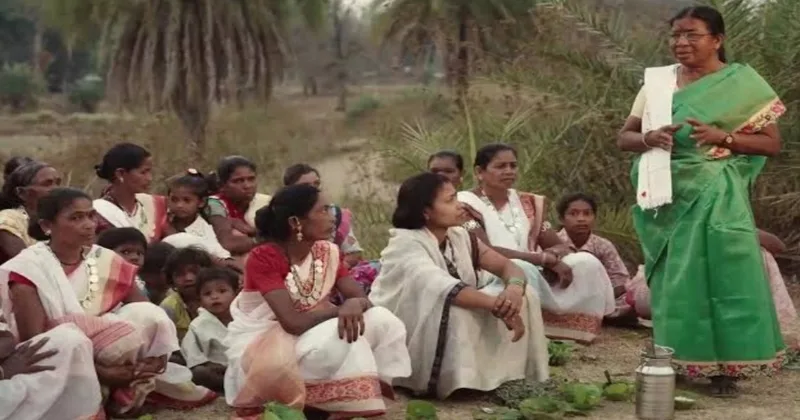
In the mid-1980s, when many organisations hesitated to work in Bastar because of growing Naxal activity and difficult terrain, Budhri Tati stepped forward. She began travelling on foot through forests, crossing rivers and remote settlements to reach tribal families. Over the years, she walked through more than 570 villages, building trust and engaging directly with parents.
At the time, education was often considered a luxury. Most families depended on forest produce and daily labour for survival. Girls were expected to help at home rather than attend school. Budhri Tati patiently explained how education could help children escape poverty, exploitation, and social marginalisation. Her persistence gradually changed attitudes across the region.
Building Educational Opportunities for Girls
Understanding that distance from schools was one of the biggest obstacles, she established residential facilities for tribal students through her organisation, Maa Shankhini Mahila Utthan Sanstha. The hostels provided accommodation, food, and a safe environment for children from remote villages, enabling them to continue their studies.
Many of the girls she encouraged to study became teachers, nurses, government employees, and community leaders. The impact extended far beyond individual success stories; educated women became role models who inspired future generations to pursue learning and independence.
Empowering Women Beyond the Classroom
Budhri Tati understood that education alone could not transform communities. Economic independence was equally important. She organised self-help groups and trained women in tailoring, weaving, stitching, and traditional handicrafts. Through these initiatives, more than 500 tribal women gained skills that allowed them to earn a livelihood and support their families.
Apart from education and livelihood initiatives, “Badi Didi” worked tirelessly to improve healthcare awareness in remote tribal regions. She conducted campaigns on sanitation, nutrition, maternal health, and child welfare. Combining traditional tribal knowledge with basic modern healthcare practices, she helped address issues such as maternal mortality and poor hygiene.
She also launched awareness drives against alcoholism, domestic violence, and other social challenges affecting tribal families. Her approach relied on dialogue, trust, and community participation rather than confrontation. This made her a respected figure across Bastar’s villages.
A Life Dedicated to Service
One of the most remarkable aspects of Budhri Tati’s journey is her personal sacrifice. She chose not to marry, dedicating her entire life to serving tribal communities. The children she educated and the women she empowered became her extended family. For decades, she worked quietly without seeking publicity, focusing solely on improving lives in some of India’s most neglected regions.
National Recognition Through the Padma Shri
In 2026, the Government of India honoured Dr Budhri Tati with the Padma Shri for her outstanding contribution to social work, women’s empowerment, tribal upliftment, and education. The award recognised decades of grassroots efforts that transformed communities through compassion, perseverance, and service.
Despite receiving one of the country’s highest civilian honours, Budhri Tati remained humble. She described the recognition as an honour for the tribal communities of Bastar rather than a personal achievement.
Dr Budhri Tati’s story demonstrates how one individual can create lasting change through determination and empathy. In a region often associated with conflict and underdevelopment, she built a movement centred on education, dignity, and opportunity. Her footsteps across 570 villages paved the way for thousands of girls to enter classrooms, dream bigger futures, and transform their communities. Today, the legacy of Bastar’s “Badi Didi” lives on in every student she inspired, every woman she empowered, and every village she helped illuminate with the light of education.