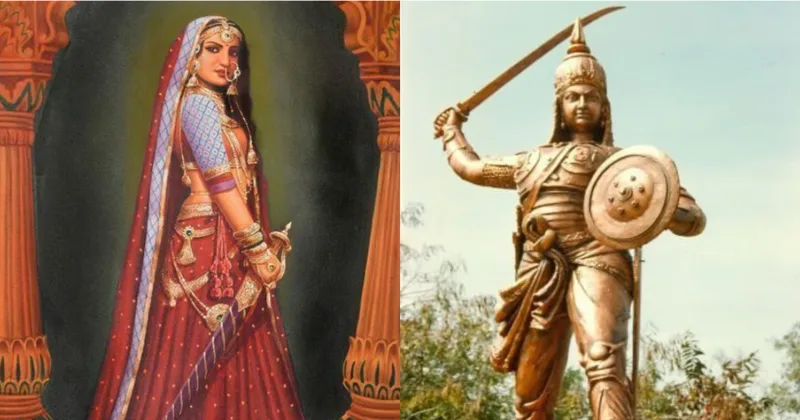
“History is not merely a record of dates and events; it is a treasury of inspiring lives that shaped the destiny of a nation through courage, sacrifice, and unwavering commitment to their ideals. Rani Durgavati stands among such immortal personalities whose legacy continues to inspire generations.”
June 24 occupies a place of immense pride in Indian history. It marks the martyrdom of one of India’s bravest women rulers, rani Durgavati, who chose sacrifice over surrender and honour over submission. Her life symbolizes courage, patriotism, good governance, self-respect, and devotion to the protection of her people and cultural heritage.
Rani Durgavati was not merely a ruler; she was an embodiment of women’s empowerment, fearless leadership, military brilliance, and national pride. Her story remains one of the most inspiring chapters in India’s civilizational history.
Birth and Early Life
Rani Durgavati was born on October 5, 1524, into the illustrious Chandela Rajput dynasty of Mahoba. Her father, Raja Keerat Rai Chandela, was a respected ruler known for his valor and administrative skills.
From an early age, Durgavati displayed exceptional courage and determination. Unlike many princesses of her era, she was trained in horse riding, archery, swordsmanship, hunting, and military strategy. Her passion for adventure and warfare earned her admiration throughout the region.
She grew into a remarkable personality who combined grace, intelligence, and martial prowess, making her one of the most distinguished royal women of her time.
Marriage and Rise as the Queen of Gondwana
Durgavati married Dalpat Shah, the heir to the powerful Gondwana kingdom. This marriage symbolized the union of two great traditions—the Rajput and Gond cultures.
After the untimely death of Dalpat Shah, the responsibility of governing the kingdom fell upon Durgavati. Her son, Veer Narayan, was still a child, and she assumed the role of regent to protect both the throne and the kingdom.
At a time when political instability was common across India, Queen Durgavati demonstrated extraordinary leadership and transformed Gondwana into a prosperous and well-governed state.
An Ideal Administrator and People’s Queen
Rani Durgavati’s reign is remembered as a golden period of prosperity and stability. She focused on public welfare, agricultural development, water conservation, and infrastructure.
Several reservoirs, tanks, and irrigation systems were developed under her patronage, benefiting farmers and strengthening the rural economy. Trade flourished, law and order were maintained, and the people enjoyed peace and prosperity.
Her administration was characterized by justice, compassion, and respect for local traditions and tribal communities. She remained closely connected with her subjects and was widely admired for her fairness and dedication.
The Growing Threat of the Mughal Empire
During the sixteenth century, the Mughal Empire was expanding rapidly under Emperor Akbar. The wealth, strategic location, and prosperity of Gondwana attracted the attention of the Mughal administration.
Akbar’s general, Asaf Khan, was assigned the task of bringing Gondwana under Mughal control. The invasion was driven not only by territorial ambitions but also by the desire to capture the kingdom’s resources and strategic advantages.
Faced with this challenge, rani Durgavati had two choices: surrender or resistance. True to her character, she chose resistance.
The Battle of Narrai: A Saga of Heroism
In 1564, the Mughal army launched its attack on Gondwana. The invading force possessed superior numbers, weapons, and resources.
Despite these disadvantages, rani Durgavati refused to retreat.
The decisive battle took place near Narrai Valley. Riding atop her war elephant, the Queen personally led her troops into combat. Beside her stood her brave son, Veer Narayan, who fought valiantly for the kingdom.
The Gondwana forces offered fierce resistance and inflicted significant losses on the Mughal army. However, the overwhelming strength of the enemy gradually shifted the balance of the battle.
Even after sustaining severe injuries, Queen Durgavati continued to fight with extraordinary courage.
Choosing Martyrdom Over Surrender
As the battle reached its final stage and defeat appeared inevitable, her commanders advised her to withdraw to safety.
The rani rejected the suggestion.
For her, honour and freedom were far more valuable than life itself. She firmly believed that living under subjugation was unacceptable for a sovereign ruler.
On 24 June 1564, rather than surrender to the invading forces, Queen Durgavati embraced martyrdom.
Her sacrifice immortalized her as one of India’s greatest warrior queens and a timeless symbol of self-respect and independence.
Defender of Civilizational and Sanatan Values
Rani Durgavati’s struggle was not merely a political conflict; it was a defense of cultural identity, dignity, and civilizational values.
The Sanatan tradition emphasizes righteousness, duty, courage, justice, and the protection of one’s people. Through her actions, rani Durgavati exemplified these principles.
She demonstrated that true Dharma is not confined to rituals alone; it also involves standing against injustice, safeguarding freedom, and protecting society from oppression.
Her life continues to inspire those who value courage, integrity, and commitment to higher ideals.
Pride of Tribal Heritage
Rani Durgavati occupies a revered place in the history of India’s tribal communities, particularly among the Gond people.
She represents the rich legacy of tribal leadership, courage, and contribution to nation-building. Her reign highlights the important role that tribal societies have played in protecting India’s culture, sovereignty, and social harmony.
Today, she is celebrated not only as a tribal icon but as a national heroine whose legacy transcends regional and community boundaries.
Lessons for the Younger Generation
The life of rani Durgavati offers invaluable lessons for today’s youth:
- Face challenges with courage rather than fear.
- Place national and social responsibility above personal interests.
- Develop leadership and decision-making skills.
- Take pride in one’s culture and heritage.
- Uphold self-respect and integrity in all circumstances.
- Recognize the strength and leadership potential of women.
- Remain committed to duty, ethics, and justice.
In an era marked by rapid social and technological change, these values remain as relevant as ever.
Relevance in Modern India
As India moves toward greater self-reliance, cultural awareness, and national confidence, the legacy of rani Durgavati serves as a guiding light.
Her story reminds us that nations become strong when they remember and honour their heroes. Preserving the memory of such extraordinary personalities is essential for building a confident and value-based society.
The younger generation must be encouraged to learn from her life, not merely as a historical figure but as a model of leadership, courage, and patriotism.
Rani Durgavati’s martyrdom is one of the most glorious chapters in Indian history. Through her courage, sacrifice, and unwavering determination, she demonstrated that true strength lies not in power alone, but in the willingness to defend freedom, honour, and justice at any cost.
Her martyrdom on June 24 is not merely an occasion for remembrance; it is a call to renew our commitment to the ideals she lived and died for—courage, self-respect, duty, cultural pride, and devotion to the nation.
“Rani Durgavati’s life is a timeless reminder that those who stand firm in defense of their values and their people never truly die; they become immortal in the consciousness of a nation.”