Bhubaneswar: In a landmark move aimed at promoting social justice and ensuring equitable access to higher education, the Odisha government has significantly revised reservation quotas for admissions to professional educational institutions across the state. The decision is expected to benefit students belonging to Scheduled Tribes (ST), Scheduled Castes (SC), and Socially and Educationally Backward Classes (SEBC) by expanding their opportunities in technical and professional courses.
The Department of ST & SC Development, Minorities and Backward Classes Welfare on Tuesday issued a formal notification announcing the revised reservation policy.
As per the new provisions, reservation for Scheduled Tribe students has been increased from 12 per cent to 22.5 per cent, while the quota for Scheduled Caste students has been enhanced from 8 per cent to 16.25 per cent. Additionally, the state government has introduced an 11.25 per cent reservation for students belonging to the SEBC category, which previously had no reservation in professional education.
According to the notification, the decision has been taken based on the recommendations of the Policy Planning Body constituted under Section 4 of the Odisha Professional Educational Institutions (Regulation of Admission and Fixation of Fee) Act, 2007. The revised reservation framework seeks to align admission policies in professional courses with the reservation structure already in place for government employment and general higher education programmes.
ଚଳିତ ୨୦୨୬-୨୭ ଶିକ୍ଷା ବର୍ଷରୁ ଇଞ୍ଜିନିୟରିଂ ଓ ମେଡିକାଲ୍ ଆଦି ବୈଷୟିକ ଶିକ୍ଷା କ୍ଷେତ୍ରରେ ଅନୁସୂଚିତ ଜନଜାତି ଓ ଅନୁସୂଚିତ ଜାତି ତଥା ସାମାଜିକ ଓ ଶିକ୍ଷାଗତ ପଛୁଆ ବର୍ଗର ଛାତ୍ରଛାତ୍ରୀଙ୍କ ପାଇଁ ସଂରକ୍ଷଣ ବୃଦ୍ଧି ସମ୍ପର୍କିତ ନିଷ୍ପତ୍ତି କାର୍ଯ୍ୟକାରୀ ହେବ। ଆଜି ଏ ସମ୍ପର୍କରେ ଅନୁସୂଚିତ ଜନଜାତି ଓ ଅନୁସୂଚିତ ଜାତି ଉନ୍ନୟନ,…
— CMO Odisha (@CMO_Odisha) June 2, 2026
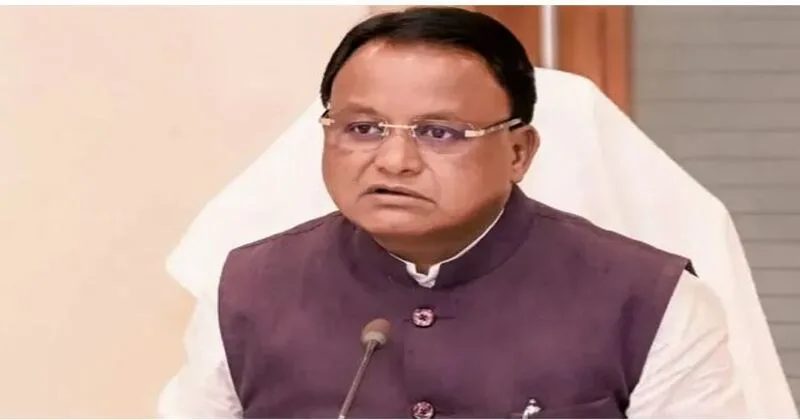
The decision was originally approved during the State Cabinet meeting held on April 4 and was subsequently announced by Chief Minister Mohan Charan Majhi. Following the Cabinet’s approval, the Chief Minister directed the concerned department to ensure immediate implementation of the policy.
The revised reservation policy will be applicable to all universities in Odisha, including their constituent and affiliated colleges, as well as Industrial Training Institutes (ITIs) and Polytechnics. It will cover admissions to undergraduate and postgraduate certificate, diploma and degree programmes across a broad spectrum of disciplines.
These include Engineering, Technology, Management, Computer Applications, Medicine, Surgery, Dental Sciences, Nursing, Pharmacy, Allied Health Sciences, Veterinary Science, Ayurveda, Homeopathy, Agriculture and Allied Sciences, Architecture, Planning, Cinematic Art and Technology. The reservation provisions will also extend to any additional professional courses that may be notified by the state government in the future.
The move addresses a long-standing concern regarding the disparity between reservation benefits available in professional education and those provided in employment and general higher education. While students from ST, SC and SEBC communities have long enjoyed proportional reservation in government jobs and conventional higher education courses such as BA, BCom and BSc programmes, professional and technical education institutions had significantly lower reservation levels.
Under the earlier system, ST students received only 12 per cent reservation and SC students 8 per cent in professional courses, while SEBC students were not provided any reservation benefits. This gap had raised concerns about the ability of students from these communities to access professional qualifications necessary for securing employment opportunities under reserved categories.
Demographic data indicates that Scheduled Tribes constitute 22.85 per cent of Odisha’s population, while Scheduled Castes account for 17.13 per cent. Although there is no official figure available for the SEBC population, the community is widely considered to represent a substantial section of the state’s population. The revised reservation percentages have been framed to better reflect these demographic realities and ensure broader representation in professional education.
Government officials believe the decision will help remove structural barriers faced by students from historically disadvantaged communities and enhance their participation in professional and technical fields. The policy is also expected to strengthen social inclusion by creating greater educational opportunities in sectors that play a critical role in economic growth and employment generation.
With the implementation of the revised reservation framework, Odisha has taken a significant step towards ensuring equitable access to professional education and addressing a long-standing demand for proportional representation of ST, SC and SEBC students in the state’s premier educational institutions.