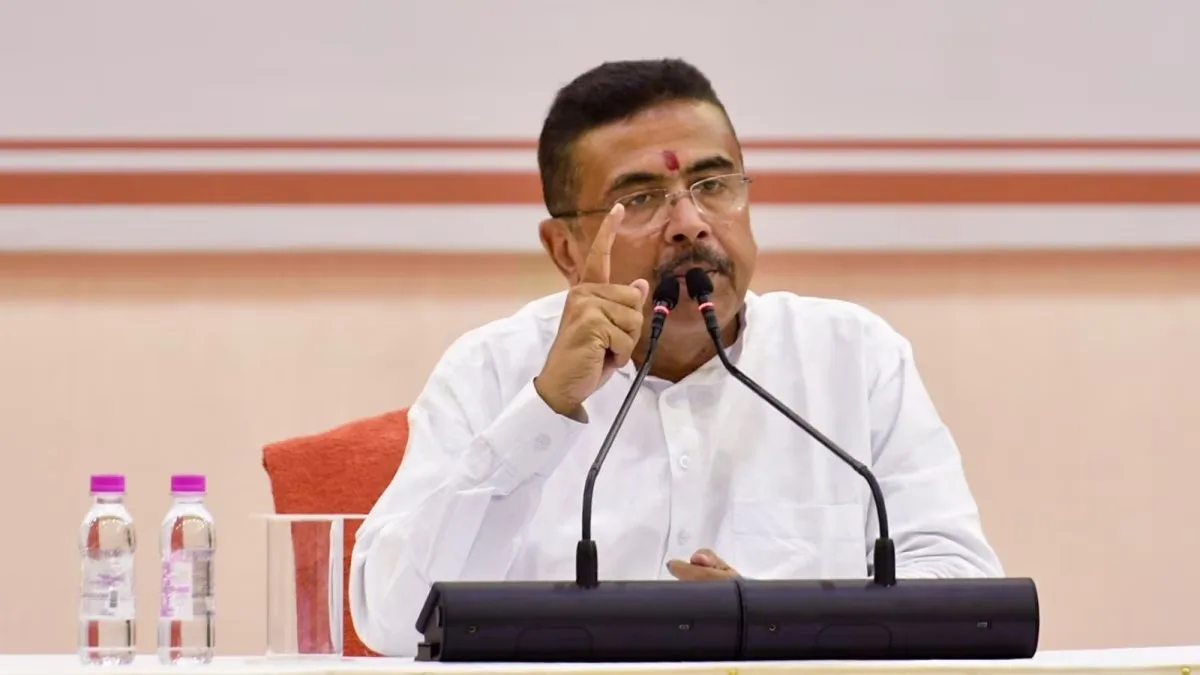
The Suvendu Adhikari-led government in West Bengal is set to undergo a major cabinet expansion on Monday, June 1, with 35 ministers scheduled to take oath at Lok Bhavan in Kolkata. The swearing-in ceremony will formally complete the formation of the Bharatiya Janata Party (BJP) government that came to power after ending the Trinamool Congress’ 15-year rule in the state. With the induction of the new ministers, the strength of the Council of Ministers will rise to 40, making it the first full-fledged BJP cabinet in West Bengal’s political history.
The ceremony is expected to be attended by Governor C.V. Ananda Bose, senior BJP leaders, newly elected legislators, and government officials. The expansion comes weeks after Suvendu Adhikari took oath as Chief Minister on May 9 following the BJP’s decisive victory in the 2026 Assembly elections.
Adhikari Announces Completion of Full Cabinet
Chief Minister Suvendu Adhikari announced the cabinet expansion through a message on social media, stating that all preparations had been completed for the swearing-in ceremony. He said the full cabinet of the democratically elected government would take oath at Lok Bhavan and reiterated his administration’s commitment to fulfilling the aspirations of the people of West Bengal.
The move is being seen as a crucial step in transitioning from election mode to governance mode, with the government now expected to begin implementing its policy priorities across sectors such as healthcare, infrastructure, industry, agriculture, education, and law and order.
35 New Ministers to Join Government
According to the proposed structure, the 35-member induction is expected to include:
- 13 Cabinet Ministers
- 3 Ministers of State (Independent Charge)
- 19 Ministers of State
Political observers note that the distribution reflects an attempt to balance experience, regional representation, caste and community considerations, and professional expertise. The BJP leadership is understood to have worked extensively over the past few weeks to ensure representation from North Bengal, South Bengal, tribal regions, border districts, urban centres, and newly won constituencies.
Experienced Faces and New Leaders Likely to Get Key Roles
Several prominent BJP leaders are expected to be inducted into the cabinet and entrusted with significant portfolios.
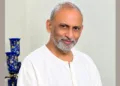
Among the most closely watched names is Swapan Dasgupta, the noted journalist, author, political commentator and former Rajya Sabha member. Dasgupta, who won from the Rashbehari Assembly constituency, is regarded as one of the BJP’s leading intellectual voices. Awarded the Padma Bhushan in 2015 for his contribution to literature and education, his induction is expected to strengthen the government’s policy and ideological framework.
Another significant name is Jagannath Chattopadhyay, who has long been associated with nationalist thought and the Rashtriya Swayamsevak Sangh (RSS). After joining the BJP, he emerged as an important face in Birbhum politics and secured victory from the Suri constituency in the recent Assembly election.
Political veteran Tapas Roy, who has traversed multiple political platforms over the course of his career, is also expected to secure a cabinet berth. Roy played a prominent role in shaping the BJP’s election campaign and chaired the party’s manifesto committee during the Assembly polls.
Strong Representation for North Bengal
One of the notable features of the cabinet expansion is likely to be the emphasis on North Bengal representation. Manoj Kumar Oraon, the MLA from Kumargram in Alipurduar district, is expected to be among the key faces from the region. A former school teacher who joined the BJP in 2017, Oraon has steadily risen through the party ranks and is seen as an important tribal leader.
Similarly, Dr Shankar Ghosh, the two-time MLA from Siliguri, is widely expected to secure a ministerial position. Ghosh, who previously had roots in Left politics before joining the BJP, has emerged as one of the party’s strongest organisational leaders in North Bengal. His appointment could further strengthen the government’s outreach in the strategically important region.
Professionals Entering Government
The cabinet expansion is also expected to bring professionals and subject experts into governance. Among them is Dr Sharadwat Mukherjee, an oncologist who entered politics and won the Bidhannagar Assembly seat in 2026. His inclusion is being viewed as an attempt to bring professional expertise into policymaking, particularly in the health sector.
Similarly, Dr Ajay Kumar Poddar and Dr Kalyan Chakraborty are among the educated and professionally accomplished leaders likely to receive responsibilities in the new government. Political analysts say the inclusion of such figures signals the BJP government’s intent to blend political experience with domain expertise.
Arjun Singh’s Administrative Experience May Be Utilised
Veteran leader Arjun Singh, who has had a long and eventful political career, is also among the strongest contenders for a cabinet berth. Having served as MP from Barrackpore and held key organisational positions, Singh brings extensive electoral and administrative experience.
His return to the BJP and subsequent political relevance are believed to have strengthened his prospects in the new government. Reports suggest that senior leaders with experience in governance may be entrusted with portfolios related to industry, urban development, transport, public works, and administrative reforms.
Completing the First BJP Government in Bengal
When Suvendu Adhikari took the oath as Chief Minister on May 9, four ministers were sworn in alongside him in the first phase of government formation. These included Agnimitra Paul, Nisith Pramanik, Ashok Kirtania and Kshudiram Tudu.
The induction of 35 additional ministers will complete the structure of the government and enable the administration to fully operationalise departments and begin policy implementation. The cabinet expansion also carries symbolic significance. It marks the formal establishment of a BJP government in a state where the party spent decades in opposition before finally securing a legislative majority in 2026.
Balancing Region, Experience and Governance
Sources familiar with the selection process quoted in media indicate that the final ministerial list has been prepared after considering several factors, including electoral performance, organisational contributions, regional balance, social representation and professional qualifications.
The BJP leadership is believed to have sought a mix of seasoned politicians, grassroots leaders, intellectuals, professionals and first-time legislators to ensure effective governance and broad representation. As the ministers take oath today, attention will quickly shift to the allocation of portfolios and the government’s first major policy initiatives.
The cabinet expansion is expected to provide the framework through which the Adhikari administration will seek to deliver on its electoral promises and shape the future political direction of West Bengal.