A series of grave allegations emerging from multiple states across India between 2021 and 2026 has brought into focus a deeply troubling reality inside workplaces. These are not stray or isolated complaints. They are consistent, recurring, and spread across geographies and sectors. From corporate offices and IT firms to hospitals, factories, educational institutions, and retail establishments, a pattern of alleged exploitation, coercion, and abuse is becoming increasingly visible.
At the centre of these cases are women employees, many of them young, often in the early stages of their careers, and in several instances coming from financially or socially vulnerable backgrounds. Their complaints speak of sexual exploitation, emotional manipulation, concealment of identity, intimidation, and pressure in deeply personal matters. What makes these allegations particularly alarming is not just the nature of the crimes, but the ecosystem within which they are said to have occurred.
These incidents raise uncomfortable but necessary questions. Are workplaces becoming zones of unchecked power where vulnerable employees are targeted? Are institutional safeguards failing? Are internal complaint mechanisms merely symbolic? While each case must be examined on its own legal merits, the repetition of similar allegations across states suggests that something far more systemic may be at play.
The issue entered national consciousness with renewed urgency in March 2026 after developments in Maharashtra’s Nashik. What initially appeared to be a single complaint soon unfolded into a cluster of allegations, forcing authorities to act and society to take notice. As more cases from Madhya Pradesh, Uttar Pradesh, Telangana, and Uttarakhand came into focus, it became increasingly difficult to dismiss these incidents as unrelated or coincidental.
The Nashik IT Case: From One Complaint to Multiple FIRs
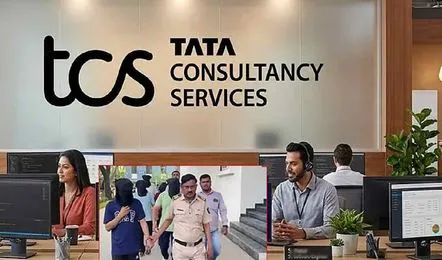
On March 25, 2026, a young Dalit woman walked into the Deolali Camp Police Station in Nashik and filed a complaint that would soon trigger a much larger investigation. She alleged that between 2022 and 2026, she had faced sustained harassment at her workplace in an IT company. According to her statement, she was mocked for her religious identity and subjected to sexual exploitation by a colleague.
What followed was a chain reaction.
Within days, more employees came forward. By April 3, 2026, a total of nine FIRs had been registered. Eight were filed by Hindu women who alleged sexual offences along with derogatory remarks targeting their identity. One complaint was filed by a male employee who alleged that his religious sentiments had been hurt.
The details emerging from these complaints painted a disturbing picture of the workplace environment. Several complainants alleged that they were pressured into practices they did not willingly accept. These included dietary changes, participation in certain rituals, and adherence to specific dress codes. Some also stated that they were encouraged or coerced into observing practices associated with a belief system different from their own.
A particularly troubling aspect of the allegations was the claim that young women between the ages of 18 and 25 were selectively targeted. According to statements, their personal circumstances were closely observed. Factors such as financial hardship, emotional vulnerability, and family background were allegedly assessed, and those perceived as easier to influence were singled out.
Equally serious were the allegations of institutional inaction. Some complainants claimed that they had approached the Human Resources department with their grievances. However, they alleged that no meaningful action was taken, allowing the situation to continue unchecked.
The Maharashtra Police responded by detaining multiple individuals, including both male and female employees. Investigators reportedly examined digital evidence, including WhatsApp groups, where discussions allegedly revolved around personal details and vulnerabilities of employees. Such claims, if proven, point towards a deeply disturbing misuse of workplace networks.
On April 12, 2026, the company issued a statement confirming that the accused employees had been suspended. However, the larger questions raised by the case remain unanswered.
Hyderabad Allegations against VXI: Questions Around Hiring and Workplace Culture
Soon after the Nashik case gained attention, similar allegations began circulating on social media regarding a company based in Hyderabad. While these claims are yet to be tested in a court of law, their nature and consistency have added to the broader concern.
The allegations include claims of biased hiring practices, where certain departments were reportedly dominated by individuals from a specific background. Questions were also raised about vendor networks, particularly transportation services, which were allegedly controlled by a limited group.
More troubling were claims related to interpersonal relationships within the workplace. According to widely shared posts, some employees allegedly targeted young women colleagues through emotional engagement, eventually drawing them into personal relationships. One such claim described a situation where a woman was allegedly persuaded to distance herself from her family under the promise of marriage.
These claims require verification and legal scrutiny. However, their emergence in the wake of the Nashik case indicates a growing unease about workplace ecosystems and the possibility of deeper structural issues.
Uttarakhand Case: Identity Concealment and Coercion
In January 2026, a case from Udham Singh Nagar district in Uttarakhand once again highlighted the issue of identity concealment in workplace relationships. A man working at a medical store was arrested after a 19 year old woman accused him of misrepresenting his identity.
According to the complaint, the accused introduced himself under a different name and gradually developed a relationship with the victim. The situation escalated when he allegedly began pressuring her for marriage and conversion.
The truth came to light when the victim discovered his real identity during a visit to a hotel. Shocked by the revelation and the subsequent pressure, she approached the police, leading to his arrest.
This case raises serious concerns about trust and transparency in workplace interactions, especially when personal relationships are involved.
Indore Cases: Violence, Blackmail, and Exploitation
Indore witnessed multiple cases in 2025 that underline the gravity of the issue.
In December 2025, a 25 year old married woman accused her live in partner, whom she had met through work, of repeated sexual assault and physical violence. She alleged that he initially promised marriage and support but later subjected her to abuse. The complaint also included allegations of gangrape involving his associates and threats to kill her child if she resisted.
In another case from October 2025, a woman alleged that a man approached her under the pretext of offering employment. She claimed that he concealed his identity, administered an intoxicant, and assaulted her. According to her statement, he recorded objectionable content and later used it to blackmail her. He allegedly pressured her into marriage under specific conditions.
These cases point towards a pattern where professional interactions are used as entry points for exploitation, followed by coercion and control.
Lucknow Case: Emotional Manipulation and Psychological Trauma
In December 2025, a woman doctor from a leading medical institution in Lucknow filed a complaint against a colleague. She alleged that he lured her into a relationship with promises of marriage, only to later subject her to emotional manipulation and coercion.
The psychological impact of the alleged exploitation was severe. According to reports, the woman attempted suicide due to mental distress. Her family later approached authorities seeking justice.
This case highlights the often overlooked mental health dimension of such incidents. The trauma extends beyond physical harm and can have long lasting emotional consequences.
Madhya Pradesh Cases: Exploiting Vulnerability
In July 2025, a woman from Agar Malwa alleged that she was lured with a job offer during a period of financial hardship. According to her complaint, the accused repeatedly assaulted her and threatened to harm her children if she spoke out. A case was registered under multiple legal provisions.
In April 2025, a woman working in an event company in Gwalior alleged that a colleague entered her home when she was alone and assaulted her. She claimed that threats against her family forced her into silence. The matter came to light only after she discovered she was pregnant and gathered the courage to file a complaint.
These cases demonstrate how economic vulnerability can be exploited, turning employment opportunities into avenues of coercion.
Ghaziabad and Earlier Cases: A Continuing Trend
In August 2024, a case in Ghaziabad involved a school teacher whose husband alleged that a colleague had influenced her through sustained interaction and persuasion. The police arrested the accused and began investigating digital communications.
Earlier cases from 2023 and 2022 reinforce the pattern. In Damoh, a woman alleged that a colleague used a false identity to gain her trust, later exploiting and blackmailing her. In Rewa, a man was arrested for posing under a fake identity and assaulting a co worker.
In Mau, two sisters accused a workplace owner of attempting to assault them and threatening job loss. In Rudrapur, a woman alleged that she was pressured into an inappropriate relationship and later dismissed when she refused.
Fatehpur and Greater Noida: Allegations of Organised Activity
In June 2022, police in Fatehpur uncovered what they described as a network that allegedly lured individuals with job offers. According to the complaint, individuals were brought together in groups and subjected to pressure during organised sessions. One complainant stated that he was taken to multiple locations before managing to escape.
Authorities indicated that the network operated across state lines and used the cover of a marketing company.
In a 2021 case from Greater Noida, a family alleged that their daughter was abducted after resisting pressure from coworkers. According to the complaint, videos were sent to intimidate the family and valuables were taken. Police registered a case against multiple accused.
Recurring Patterns: What These Cases Reveal
When viewed together, these cases reveal several recurring elements. Allegations of identity concealment appear repeatedly. Emotional manipulation is a common thread. Vulnerable individuals, especially those facing financial or personal difficulties, are frequently at the centre of these cases.
Workplace proximity allows sustained interaction, making it easier to build trust and exert influence. In many instances, victims delayed reporting due to fear, stigma, or dependence on their jobs.
Another serious concern is the alleged failure of institutional mechanisms. Several complainants stated that they approached HR departments or supervisors but received little or no support. This raises questions about whether workplace safety frameworks are being implemented in letter and spirit.
Time for Accountability and Structural Reform
The cases reported between 2021 and 2026 collectively point towards a serious challenge that cannot be ignored. While the legal process will determine the outcome of each case, the broader pattern demands attention.
Workplaces must not become spaces where power imbalances are exploited. Institutions must ensure that complaint mechanisms are accessible, responsive, and effective. Employers must take responsibility for creating environments where employees feel safe and protected.
The need of the hour is accountability. This includes strict enforcement of laws, transparent internal processes, and a culture that prioritises dignity and safety over silence and denial.
As investigations continue and courts examine the evidence, one thing is clear. These are not just individual cases. They are a wake up call.