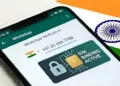
JAMMU: A US citizen identified as Jeffrey Scott Prather, a resident of Montana, was arrested at Srinagar airport for carrying a satellite phone. A local resident, who was accompanying him, has also been arrested and their questioning is being done by the police. Officially, the police has not released any details about the incident till late in the evening. The use of satellite phones, without advance permission from official channels (both Central and state telecom authorities) is strictly prohibited throughout India.
The illegal possession of such a device can lead to a prison term of three years as also a fine of up to Rs 2 crore. It thus seems that the US citizen may face intense grilling as ignorance of standard protocols is most unlikely to be accepted by the intelligence agencies. The satellite phone, of Garmin brand, which led to the arrests, was found in the luggage during a routine check by the police deployed at the airport.
It needs to be mentioned here that the use of satellite phones is prohibited in India without express prior government approval. Devices such as Thuraya and Iridium phones were at one time used extensively by terrorists operating in Jammu & Kashmir. This was before the advent and expansion of mobile telephones as J&K has tough regulations regarding SIMs to prevent their misuse.
India enforces stringent telecom restrictions due to security concerns. In the past, both Indian citizens and foreign travellers, have faced action for clandestinely carrying satellite phones and other such communication devices. The possession of satellite phone by an individual in an unauthorised manner can lead to detention, arrest and seizure under the Indian Telegraph Act and other laws.
Satellite phones use illegal
According to official guidelines, issued from time to time by Indian Embassies as also the US State Department, travellers must obtain written permission from the Department of Telecommunications to carry or use satellite communication devices.
Various Indian embassies around the world have issued travel advisories for all Indian and foreign nationals travelling to India regarding use of satellite telephones. The standard advisory reads something like this: This is to bring to the notice of all foreigners visiting India that Satellite telephone services are not permitted in India and therefore use of any satellite phone is unauthorized /illegal in India under Section 6 of Indian Wireless Act and Section 20 of Indian Telegraph Act.
All foreigners visiting India are, therefore, advised not to carry such satellite phones into India. Those found to be in possession of such sets are liable for prosecution along with confiscation of such satellite phones and other penalties under Section 6 of Indian Wireless Act and Section 20 of Indian Telegraph Act.’’
In June last year, the US State Department had issued a serious travel advisory for its citizens visiting India. It specifically said that “carrying satellite phones or GPS tracking devices without local permission is criminal’’ It also informed the citizens that “those caught face up to three years in jail or a $200,000 fine (approximately Rs 2 crore). Travellers are urged to leave such gear home to avoid arrest, deportation, or legal complications.
Periodic Travel Advisories
The advisory further said that “India strictly restricts satellite communication tools, including satellite phones and GPS gadgets. According to Indian customs and security laws, these items are illegal communication equipment and their use without expressed written permission from local authorities invites strict action’’.
The advisory specifically warned travellers to double-check import rules because even a minor oversight can lead to detention or prosecution or heavy fines. The restrictions are, however, limited to phones and there is no clarity regarding the satellite internet kits like Elon Musk’s Starlink in India.
The US advisory said: “India’s authorities require local licensing, data localization, and real-time monitoring. Moreover, unlicensed satellite devices have already been used in security-sensitive incidents involving drug trafficking in the Andamans and insurgent activity in Manipur.’’
This shows that India views unauthorised satellite communication—including passive internet setups—as a serious national security threat. Travelers and organizations operating satellite internet gear should seek proper permissions in advance.
In addition to equipment bans, the advisories issued from time to time warn about conflict-prone areas, such as Jammu and Kashmir, Manipur, and Maoist-affected regions in eastern Maharashtra, northern Telangana, and western West Bengal. It said that travel to these areas demands special US government clearance and is strongly discouraged.
The advisory highlighted that such items are strictly prohibited and urges travelers to leave them behind to avoid detention or deportation.