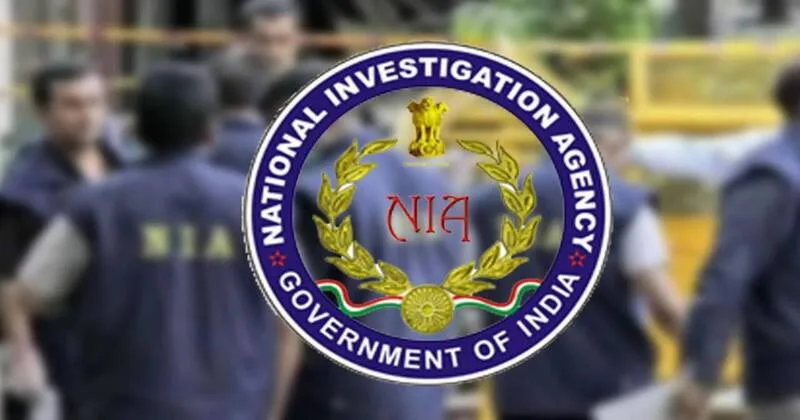
In a significant development, the Election Commission of India has handed over the investigation into the shocking gherao and attack on judicial officers in West Bengal’s Malda district to the National Investigation Agency. The decision comes in compliance with directions issued by the Supreme Court of India, which took serious note of the incident.
Chief Election Commissioner Gyanesh Kumar formally ordered the transfer of the probe on April 2. An NIA team is expected to reach West Bengal to begin its investigation.
The incident occurred in the Kaliachak area of Malda district, where a mob allegedly surrounded and confined seven judicial officers, including three women and even a five-year-old child for more than nine hours. The victims were reportedly deprived of food and water during the ordeal.
The officers were in the area as part of an electoral roll revision exercise (SIR process) when tensions escalated. According to initial reports, the mob gheraoed them over allegations of wrongful deletion of names from the voters’ list.
Security forces eventually intervened and rescued the officers around midnight, bringing an end to the prolonged standoff.
The Supreme Court of India took suo motu cognisance of the incident after receiving a letter from the Chief Justice of the Calcutta High Court detailing the gravity of the situation.
Expressing strong concern, the apex court described the incident as a “brazen attempt to browbeat judicial officers” and a direct challenge to the authority of the judiciary. It also criticised the state administration, terming the situation a result of “complete failure” and “inaction” in handling the mob violence.
The court further directed the Election Commission to ensure adequate deployment of Central forces to protect judicial officers engaged in election-related duties.
Following the incident, police have arrested at least 22 individuals in connection with the case. Among those arrested is Maulana Shahjahan Ali, a candidate from the Indian Secular Front, along with several others.
All accused were produced before a district court as the investigation progresses.
With the case now transferred to the National Investigation Agency, central agencies are expected to examine whether the incident was a spontaneous outburst or part of a larger, organised attempt to intimidate judicial authorities and disrupt the electoral process.
The probe is likely to focus on identifying key conspirators, the role of local networks, and any possible political or organised backing behind the mob action.