As geopolitical tensions in the Middle East intensify, particularly involving Iran, global energy markets have entered a phase of heightened volatility. Crude oil prices have shown upward pressure, shipping routes remain vulnerable, and supply chain disruptions loom large. Against this backdrop, India has adopted a proactive and multi-pronged strategy to ensure energy security, maintain supply continuity, and protect its citizens both at home and abroad.
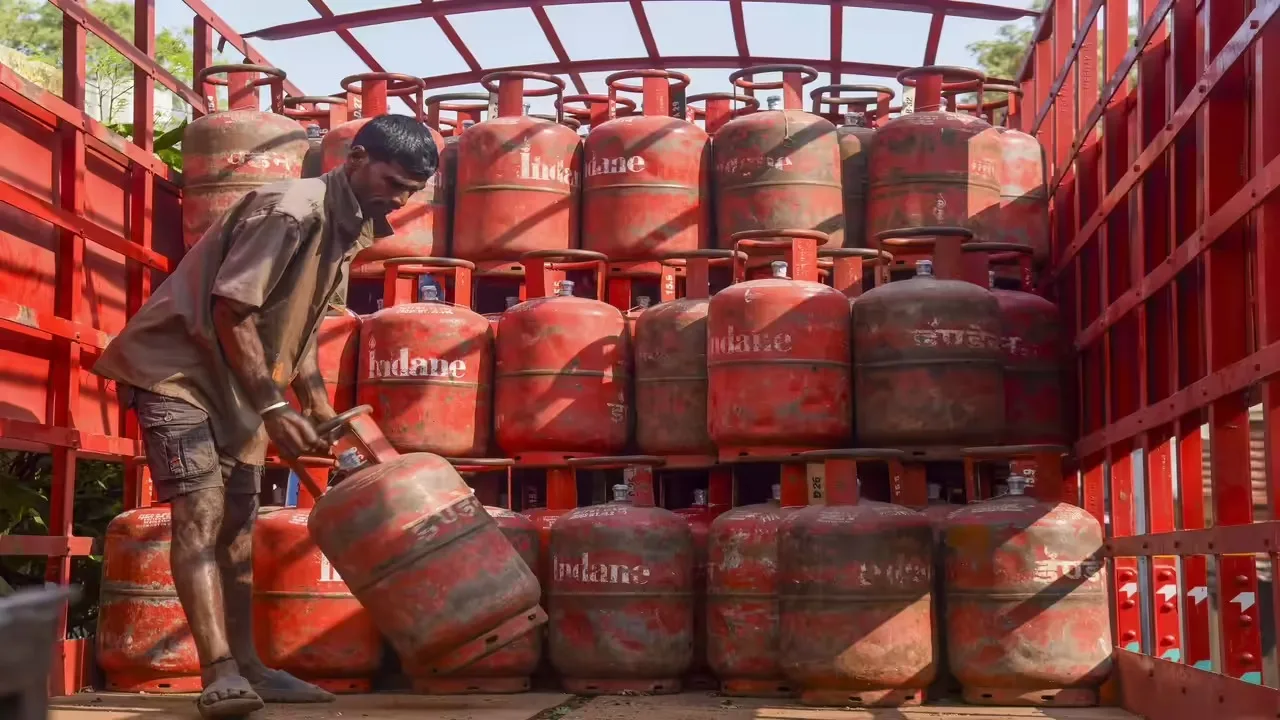
At the heart of this strategy lies a strong domestic distribution network that continues to function without disruption. One of the most significant indicators of this stability is the consistent delivery of over 50 lakh domestic LPG cylinders every day since March 1. Cooking fuel availability often becomes a sensitive barometer during global crises, but officials have emphasised that India’s supply chain remains robust and responsive.
A key moment reinforcing this confidence was the arrival of the LPG tanker BW TYR at Mumbai earlier this week. The successful docking of the vessel demonstrated that, despite disruptions in critical maritime routes near the Gulf region, India’s import channels remain operational and efficient. Authorities have confirmed that port operations across the country are functioning normally, with no congestion reported, thereby preventing logistical bottlenecks at a time when global shipping networks are under strain.
The government’s response, however, extends beyond merely maintaining existing supplies. In a significant push to expand energy access, City Gas Distribution (CGD) companies have been directed to accelerate the rollout of piped natural gas (PNG) connections under the extended National PNG Drive 2.0, now running until June 30. The results are already visible: more than 3.1 lakh domestic connections were successfully gasified in March alone, while over 2.7 lakh additional connections are currently in various stages of activation.
This rapid expansion of gas infrastructure is aimed at reducing dependence on traditional fuel supply chains while enhancing last-mile connectivity. Officials believe that increasing PNG penetration not only improves convenience for consumers but also strengthens India’s overall energy resilience in times of international uncertainty.
Parallel to these structural measures, targeted interventions have been introduced to support vulnerable populations. Migrant labourers, often the most affected during crises, have been provided access to affordable cooking fuel through 5 kg free trade LPG cylinders. Since March 23, more than 3.2 lakh such cylinders have been sold, including over 63,000 in a single day. This initiative highlights the government’s focus on inclusive energy access, ensuring that even economically weaker sections are shielded from the immediate impacts of global disruptions.
While domestic preparedness remains a priority, India is also actively managing the fallout of the crisis beyond its borders. The ongoing conflict has necessitated one of the largest citizen facilitation efforts in recent times. Since February 28, more than 5.72 lakh Indian nationals have returned home as part of coordinated evacuation and support operations. Diplomatic missions across the region are operating round the clock, with 24×7 helplines established to assist citizens in distress.
In addition to civilian evacuations, the government has also prioritised the safety of Indian seafarers navigating volatile maritime zones. So far, over 959 seafarers have been safely repatriated, including nine in the last 24 hours alone. These efforts underscore the risks faced by shipping personnel amid disruptions in key trade routes and highlight India’s active engagement in ensuring their safe return.
The global context of this crisis cannot be overlooked. The ongoing tensions have raised serious concerns about the security of the Strait of Hormuz, a narrow passage that handles a significant portion of the world’s oil shipments. Any disruption in this corridor has immediate and far-reaching implications for global energy prices and supply chains.
As a result, crude oil prices have experienced upward pressure, while insurance premiums for tankers navigating the region have surged. Several countries are now reassessing their energy strategies, including the use of strategic petroleum reserves and diversification of supply sources. For energy-importing nations like India, these developments necessitate constant monitoring and agile policy responses.
Despite these global headwinds, Indian officials maintain that the country’s approach is rooted in preparedness rather than panic. By ensuring that ports remain uncongested, supply chains uninterrupted, and domestic distribution networks fully functional, the government is attempting to insulate the common consumer from external shocks.
Experts point out that India’s ability to maintain over 50 lakh daily LPG deliveries during such a period is a testament to the resilience of its logistics and distribution systems. Similarly, the rapid addition of gas connections reflects a forward-looking strategy aimed at long-term energy security.
Moreover, the dual focus on domestic stability and international citizen support demonstrates a comprehensive crisis management approach. While energy supplies are being safeguarded within the country, efforts to evacuate and assist Indians abroad highlight the government’s commitment to citizen welfare on a global scale.
At a time when several major global economies are grappling with uncertainty, supply shocks, and complex negotiations to secure energy resources, India has managed to carve out a position of relative stability through calibrated policy decisions and proactive diplomacy. While global powers continue to navigate volatile markets and fragile supply chains, India’s strategic outreach and diversified sourcing approach are increasingly drawing recognition.
Even as geopolitical developments continue to evolve, India’s ability to maintain steady supply lines, ensure uninterrupted domestic distribution, and respond swiftly to emerging challenges reflects a well-coordinated governance framework. The stability of key shipping routes, fluctuations in crude prices, and the broader trajectory of the conflict remain variables to watch but India’s preparedness has so far mitigated immediate risks effectively.
In many ways, the current situation has emerged as a real-time stress test for India’s energy infrastructure and crisis response systems. Early indicators suggest that these systems are not only holding firm but performing with resilience and efficiency. Backed by strong domestic preparedness and a pragmatic global strategy, India today stands out as a case of stability in an otherwise uncertain energy landscape, with its diplomatic and policy approach earning growing acknowledgement.