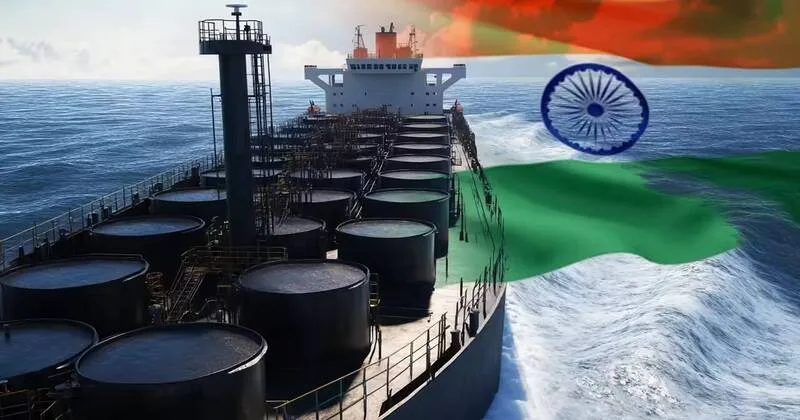
New Delhi: A widening gap between crude oil prices and refined diesel values, driven by escalating geopolitical tensions in West Asia amid the Iran conflict, has led India to significantly ramp up diesel exports in March. According to shipping data, diesel exports rose 20 per cent month-on-month. India exported 12.90 million barrels of diesel between March 1 and 28, compared to 10.74 million barrels in February, as per data from ship tracking firm Kpler. Analysts attribute this surge to favourable refining economics, particularly in the middle distillates segment, which includes diesel and jet fuel.
Strong margins drive diesel surge
The sharp rise in diesel exports is closely linked to improved crack spreads, the difference between crude oil prices and the value of refined products. Higher crack spreads translate into better margins for refiners, incentivising them to prioritise the production of fuels that yield greater profitability. “Higher diesel export volumes are likely supported by improved economics for middle distillate production. Geopolitical tensions in West Asia have tightened middle distillate balances, with diesel and jet fuel cracks strengthening more than gasoline (petrol)”, said Nikhil Dubey, Senior Research Analyst at Kpler.
The near closure of the Strait of Hormuz, a critical global oil transit chokepoint has pushed crude oil prices upward. However, the impact on refined fuels has not been uniform. Diesel and jet fuel have seen a sharp increase in crack spreads, reaching fresh highs, while petrol margins have remained relatively stable. Refiners have responded by adjusting their product mix to capitalise on these favourable margins. By increasing diesel output, they are able to maximise returns amid volatile global energy markets.
LPG output rises
While diesel exports surged, India’s petrol exports witnessed a decline. Petrol shipments fell 33 per cent to 8.31 million barrels in March. This drop is partly due to refiners redirecting hydrocarbon streams away from petrol production towards liquefied petroleum gas (LPG). “The decline in gasoline exports is also due to India prioritising LPG production,” Dubey noted. “Refiners are reallocating feedstock to produce more LPG to meet domestic demand.” India has significantly increased its domestic LPG production, up by 40 per cent since the onset of the US-Israel conflict with Iran. This shift is aimed at compensating for reduced imports from the Gulf region, which traditionally accounts for nearly 54 per cent of India’s LPG consumption.
Interestingly, despite strong global demand and record crack spreads, India’s jet fuel exports fell marginally by 4 per cent to 2.63 million barrels in March. However, analysts suggest that this figure may be revised upward once more comprehensive end-of-month shipping data becomes available. Supporting this possibility, exports under the “clean products” category, which includes diesel, petrol, jet fuel and naphtha, surged 40 per cent to 1.11 million barrels.
In a bid to ensure domestic availability and discourage excessive exports, the Indian government has imposed export duties of ₹21.5 per litre on diesel and ₹29.5 per litre on jet fuel. Other fuel categories displayed mixed trends. Exports of fuel oil, a lower-grade “dirty” fuel used in industrial applications and shipping, rose 27 per cent to 1.71 million barrels, driven by strong global demand and improved margins. Despite global volatility and supply disruptions, India’s refining sector has demonstrated resilience and strategic adaptability, leveraging market dynamics to optimise exports while safeguarding domestic energy needs.