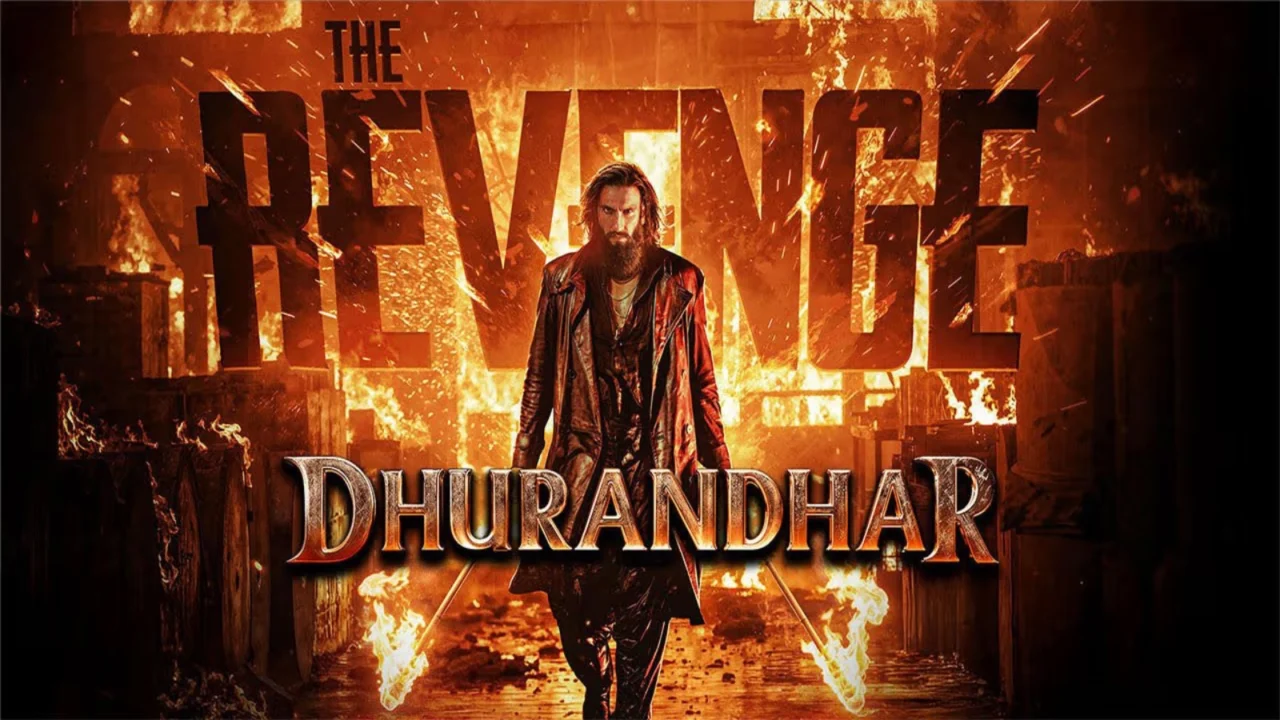
In a historic theatrical run, Dhurandhar: The Revenge has outperformed the lifetime global collection of its first installment Dhurandhar within just 11 days, underlining its unprecedented mass appeal.
According to trade estimates, the film has grossed approximately Rs 1,363.15 crore worldwide, including Rs 1,013.15 crore from India and Rs 350 crore overseas, while its India nett collection stands at Rs 847.87 crore.
This remarkable feat places the film among the top-grossing Indian films of all time, closing in on benchmarks set by films like Dangal, Baahubali 2: The Conclusion, and Pushpa 2: The Rule.
The film’s earnings trajectory reflects strong word-of-mouth and sustained footfall across urban and mass circuits. After a powerful opening, collections remained steady through weekdays and surged again during the second weekend, indicating deep audience engagement.
Trade analysts note that such consistency, especially beyond the first weekend, is rare in contemporary Bollywood and signals a shift in audience preferences toward content-driven cinema.
Directed by Aditya Dhar, the film revolves around an undercover Indian intelligence operative navigating terror networks in Karachi, with a storyline anchored around avenging the 2008 Mumbai attacks.
Featuring a powerful ensemble cast including Sanjay Dutt, R. Madhavan, Arjun Rampal, and Sara Arjun, the film blends action with a strong geopolitical narrative.
Why label success as ‘Propaganda’?
Despite its box office dominance, Dhurandhar 2 has been at the centre of a growing controversy, with a section of filmmakers, critics, and self-proclaimed liberal commentators dismissing it as “political propaganda.”
This reaction has triggered a wider debate within the industry and among audiences: Why are films rooted in India’s security challenges and real historical events often subjected to ideological scrutiny?
Critics of this narrative argue that branding such films as propaganda reflects a deeper discomfort within certain sections of Bollywood and media circles when stories align with national security perspectives or challenge long-standing ideological biases.
The backlash has also raised uncomfortable questions about whether a lobby within Bollywood and segments of journalism selectively target films based on ideological leanings rather than cinematic merit.
Many point out that while fictional or sympathetic portrayals of conflict zones have often been celebrated, films that depict Pakistan-based terror networks or highlight India’s counter-terror operations face disproportionate criticism.
In the case of Dhurandhar 2, detractors have gone as far as linking the film’s narrative to political agendas, with some even accusing it of aligning with the ruling government in the counrty, claims that supporters strongly reject, asserting that the film is rooted in documented events and national trauma like 26/11.
Audience verdict vs elite criticism
What stands out, however, is the clear divergence between critical discourse and audience response.
Despite online campaigns and criticism from certain quarters, the film’s box office numbers suggest overwhelming public acceptance. Many viewers have praised its storytelling, performances, and its unapologetic portrayal of terrorism and national security issues.
This contrast has once again exposed a growing disconnect between Bollywood’s elite narrative ecosystem and the ground-level audience sentiment.
The success of Dhurandhar: The Revenge is now being seen by trade experts as a potential inflection point for the Hindi film industry.
At a time when several big-budget films have struggled, its performance reinforces a key lesson:
strong scripts, rooted narratives, and emotional resonance can outweigh star power and industry lobbying.
With no major Hindi releases in the immediate pipeline, the film is expected to continue its dominant run, potentially climbing further up the all-time box office charts.