The Ministry of Heavy Industries has updated the framework of the PM E-DRIVE Scheme, introducing separate timelines for electric vehicle categories.
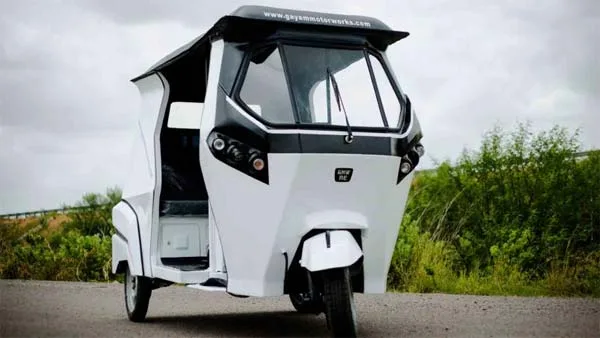
Under the revised guidelines, electric two-wheelers (E-2Ws) registered up to July 31, 2026, will remain eligible for incentives. Meanwhile, electric three-wheelers (E-3Ws), including e-rickshaws and e-carts, will continue to receive subsidies until March 31, 2028.
Officials stated that the dual timeline approach acknowledges varying levels of adoption and market readiness across different EV segments.
The scheme, with a total budget allocation of Rs 10,900 crore, aims to accelerate EV adoption across the country. According to government estimates, the programme is expected to support approximately 24.79 lakh electric two-wheelers and 39,034 electric three-wheelers, including e-rickshaws and e-carts.
Despite the extension of timelines, the total financial outlay remains unchanged. However, the scheme duration has now been spread over four years instead of the originally planned two-year period.
To ensure targeted subsidies, the government has maintained price caps for eligible vehicles. Electric two-wheelers priced up to Rs 1.5 lakh (ex-factory) will qualify for incentives, while the cap for electric three-wheelers has been set at Rs 2.5 lakh.
The scheme continues to function as a fund-limited programme, meaning incentives will only be disbursed until the allocated funds are exhausted, even if the official deadlines have not been reached.
In addition to two- and three-wheelers, the government has extended support for larger EV categories such as electric trucks and buses, along with investments in charging infrastructure and testing facilities, until March 2028.
Industry experts believe the extended timeline for e-rickshaws and e-carts reflects a strategic focus on commercial mobility, which remains highly price-sensitive but crucial for last-mile connectivity.
The L5 category of electric three-wheelers, comprising higher-performance vehicles was closed on December 26, 2025, after achieving its target of 2,88,809 units. This milestone indicates strong demand in certain advanced EV segments.
Launched on October 1, 2024, the PM E-DRIVE scheme aims to promote mass electric mobility through upfront purchase incentives while simultaneously building a robust charging ecosystem across major urban centres.