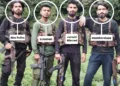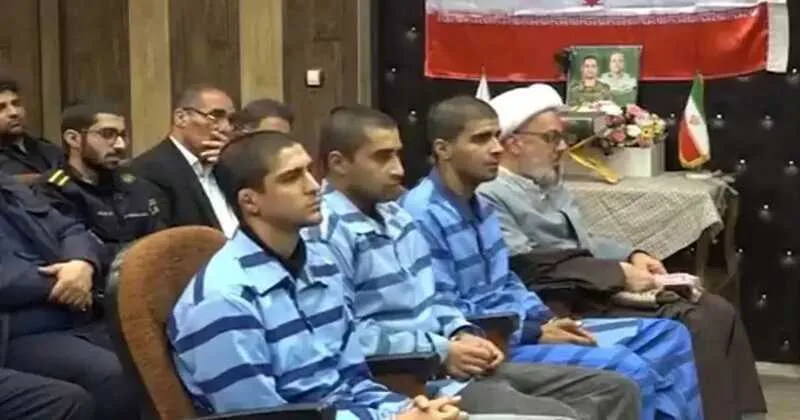
Tehran: The Iranian government has publicly executed three young men accused of participating in anti-government protests, intensifying global concern over its handling of dissent. Nineteen-year-old wrestlers Salih Mohammadi, Mehdi Qasemi, and Saeed Dawoodi were hanged in the city of Qom on Thursday. The authorities claimed they were responsible for the killing of security personnel during protests on January 8. However, human rights organisations allege that the confessions used to convict them were extracted under torture.
Allegations of torture and flawed trial
Rights groups have raised serious questions about the fairness of the trial, pointing out that it relied heavily on forced confessions. Salih Mohammadi, who had just turned 19 a week before his execution, was sentenced to death less than three weeks after his arrest. During court proceedings, he reportedly maintained his innocence and stated that he had confessed only after enduring severe torture. Despite these claims, the court concluded the trial without conducting any independent investigation. The charges against the three men included “waging war against God,” a serious offence under Iranian law, as reported by the state-run Mizan Online news agency.
The executions have drawn sharp criticism from international observers, who argue that due process was not followed and that the case reflects a broader pattern of judicial repression.
Escalating crackdown on protests
The executions come amid a wider crackdown on protests that began in late December over rising prices and economic hardship, and later evolved into a broader movement against the rule of Supreme Leader Ayatollah Ali Khamenei. Reports suggest that thousands of people, including women and children, have been killed during the government’s response to the unrest. While Iranian authorities officially acknowledge around 3,000 deaths, the human rights organisation Harana estimates that the toll exceeds 8,000, including at least 220 children. Those detained during the protests have reportedly faced severe abuse in custody.
Accounts from activists describe practices such as the injection of unknown substances and exposure to extreme cold while detainees are left unclothed. In one such case, a young woman named Samira Parvareshkha, arrested on January 9, is believed to have died shortly after her release, allegedly due to injuries sustained during detention. Authorities, however, have attributed such deaths to suicide or substance abuse, a claim frequently disputed by rights groups.
A Norway-based NGO has condemned the public executions as a deliberate attempt to intimidate dissenters. Meanwhile, reports have also linked the late Ali Larijani, a senior political figure killed in an Israeli strike a day earlier, to the oversight of harsh interrogation practices, further highlighting concerns about systemic abuse within Iran’s security apparatus.