In a significant example of grassroots empowerment, more than 200 women in Uttarakhand’s Chamoli district have become financially independent after receiving skill training under the Centre’s flagship scheme. The initiative has not only opened new livelihood avenues but also strengthened their confidence and role within their families and society.
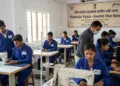
The Pradhan Mantri Kaushal Vikas Yojana, an outcome-based skill development programme of the Central government, is steadily transforming the workforce landscape in remote regions like Chamoli. Under the scheme, women have been trained in various vocational activities such as tailoring, jute bag making, and handicrafts, equipping them with practical skills to earn a sustainable livelihood.
According to local reports, over 200 women in the district have successfully completed training and are now actively engaged in income-generating activities. Several of them have gone a step further by establishing their own ventures, either independently or through self-help groups creating a stable source of income for their households. The growing market demand for eco-friendly jute bags and traditional handicrafts has further supported their economic journey.
Beyond financial gains, the initiative has sparked a deeper transformation. Women beneficiaries have reported a marked rise in self-confidence and independence. Many who once depended entirely on family members are now contributing directly to household income and playing a more decisive role in family decisions. The shift reflects a broader change in social dynamics, where economic participation is enabling empowerment.
Sharing her experience, beneficiary Priyanka Devi said that the training has helped her learn tailoring skills effectively, allowing her to stitch clothes for herself and others. She expressed confidence that the skill would prove beneficial in the long run. Another trainee, Himanshi, highlighted that the government-supported training would improve her employment prospects, making it easier to secure work in the future.
Seema, another beneficiary, described the training as a turning point in her life. She noted that earlier she was dependent on others, but now she has gained a new identity, enabling her to work independently and earn her own income. Her statement reflects the broader sentiment among many women who see the programme as a pathway to dignity and self-reliance.
The success of the scheme in Chamoli underscores how targeted skill development initiatives can drive socio-economic change, particularly in rural and hilly regions. By linking training with market demand and encouraging entrepreneurship, the programme is not only generating livelihoods but also fostering a culture of self-sufficiency.