In a significant legislative development, the Maharashtra Legislative Assembly has passed the Maharashtra Freedom of Religion Bill, 2026, aimed at curbing illegal religious conversions carried out through coercion, fraud, inducement, or deceitful marriages. The Bill, cleared late on March 16, is being projected by the government as a measure to ensure transparency and protect individual choice, even as it has triggered political reactions across party lines.
The legislation seeks to regulate religious conversions by criminalising those carried out through force, threat, misrepresentation, undue influence, or allurement. It also targets conversions linked to marriage where intent is allegedly concealed. The government has maintained that the law is religion-neutral and applies equally to all communities, focusing solely on preventing unlawful practices.
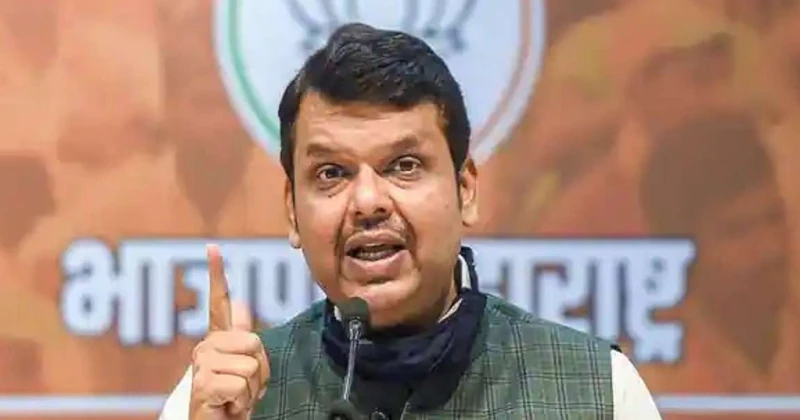
Chief Minister Devendra Fadnavis, who also holds the Home portfolio, clarified that the law does not infringe upon the fundamental right to practice and propagate religion under Article 25 of the Constitution of India. However, he stressed that this right does not extend to converting others through coercion or deception.
Under the Bill, illegal conversion includes any religious conversion carried out through force, threat, fraud, cheating, inducement, or allurement. It also includes cases where marriage is used as a tool to facilitate conversion by concealing identity or intent.
At the same time, the law explicitly allows voluntary conversions, provided they are carried out in a transparent manner and without any undue pressure. This distinction forms the core of the government’s argument that the legislation is meant to safeguard genuine freedom of religion rather than restrict it.
The Bill introduces strict penal provisions to deter unlawful conversions. For a general offence, individuals found guilty may face imprisonment ranging from three to five years along with a fine between Rs 50,000 and Rs 1 lakh. In cases where the victim is a woman, minor, or belongs to Scheduled Castes or Scheduled Tribes, the punishment is more severe, extending up to seven years of imprisonment and fines up to Rs 2 lakh.
In instances of mass conversions involving multiple individuals, the punishment can go up to 10 years in jail with a fine of up to Rs 5 lakh, signalling the government’s intent to treat organised conversion activities as serious criminal offences.
One of the most debated provisions in the Bill is the shifting of the burden of proof onto the accused. This means that individuals or organisations accused of conducting conversions will have to demonstrate that the conversion was voluntary and not induced by illegal means. Legal experts note that this provision significantly strengthens enforcement but may also raise questions about procedural fairness.
The Bill also introduces a system of prior intimation and post-conversion declaration. Any individual seeking to convert must inform the District Magistrate in advance, while the religious priest or organisation conducting the conversion must provide a 30-day prior notice. Following the conversion, a declaration must again be submitted to authorities.
This mechanism is aimed at ensuring transparency and enabling authorities to verify the legitimacy of conversions, thereby preventing coercion or fraud.
A key feature of the Bill is its provision dealing with marriage-linked conversions. It states that any marriage carried out solely for the purpose of religious conversion, or where identity or intent is concealed, can be declared invalid. Such acts will also attract criminal penalties under the law.
This clause is likely to be one of the most scrutinised aspects of the legislation, given ongoing debates around interfaith marriages and personal liberty.
The Bill empowers not only the affected individual but also their close relatives to file complaints in cases of suspected illegal conversion. Authorities and police are authorised to initiate action upon receiving such complaints, further strengthening the enforcement framework.
The government argues that this provision is necessary to protect vulnerable individuals who may not be in a position to come forward themselves.
The passage of the Bill has triggered mixed political reactions in Maharashtra. Interestingly, Shiv Sena (UBT) extended support to the legislation. Party chief Uddhav Thackeray stated that action must be taken if conversions are carried out through threats or coercion, though he also made a broader remark calling for laws against misuse of investigative agencies.
On the other hand, parties such as the Indian National Congress, Nationalist Congress Party (Sharad Pawar faction), and Samajwadi Party opposed the Bill, raising concerns over potential misuse and its implications for individual freedoms.
Following its passage in the Assembly, the Bill is expected to be tabled in the Maharashtra Legislative Council for approval. Once cleared, it will become law, adding Maharashtra to the list of states that have enacted legislation to regulate religious conversions.
The Maharashtra Freedom of Religion Bill, 2026, comes amid a wider national debate on religious conversions, personal liberty, and state intervention. Several states in India have introduced similar laws in recent years, reflecting growing political and social focus on the issue.
Such laws are necessary to protect vulnerable communities from exploitation and coercion.